Arlington
States Raise Caregiver Wages as Looming Aide Shortages Threaten Senior Care
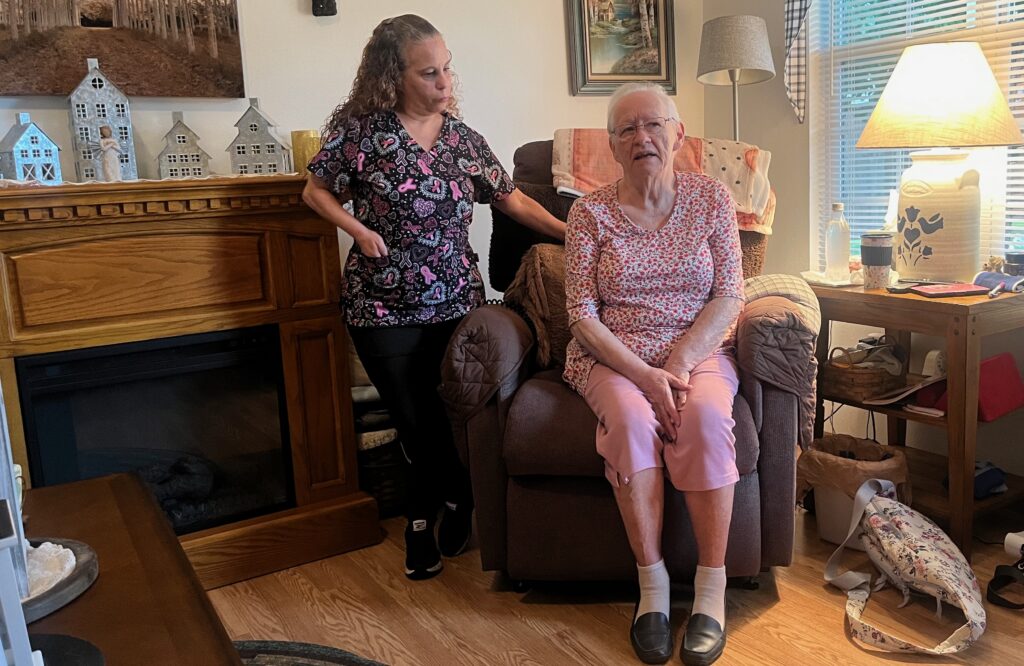
WILMINGTON, Ohio — From her recliner in her tidy townhouse, Donna Logan offers advice to the first baby boomers to hit the big ‘8-0’ this year: Life can be good, especially with someone like Helen Aponte helping with laundry and…

Last updated:
Key points
States Raise Caregiver Wages as Looming Aide
- Over four million baby boomers turn 80 this year as the nation faces a deficit of nearly one million home care aides over the next decade.
- Multiple states have recently boosted hourly pay rates for home care workers, with New York raising upstate caregiver rates to $18.65 per hour.
- Impending federal Medicaid reductions scheduled for 2027 could strain state-funded community programs that allow seniors to avoid institutional care.
WILMINGTON, Ohio NewsWK — A worsening shortage of in-home caregivers is pushing states across the country to raise wages, as millions of aging Americans seek help to remain living independently rather than moving into costly nursing facilities.
The demographic pressure is mounting swiftly. Approximately 65 million Americans belong to the baby boom generation born between 1946 and 1964, and this year roughly four million of them reach the age of 80. Over the next decade, an estimated 10,000 people will turn 80 each day, shifting national demographics so that by 2030, residents 65 and older will outnumber children under 18.
Why it matters here
For rural and small-town communities across Bennington County and neighboring regions in eastern New York and western Massachusetts, the availability of reliable home care is critical. Towns such as Bennington, Manchester, Shaftsbury, Pownal, and Arlington have substantial older populations who prefer aging safely in their own homes over entering institutional facilities.
When nonmedical home aides are available to assist with routine errands, housekeeping, and transportation to medical visits, older residents can preserve their independence while avoiding the steep daily expenses of residential nursing homes. However, rural areas frequently face severe worker shortages, meaning that without competitive pay, families throughout Southern Vermont and nearby border counties struggle to find the basic caregiving support they need.
A growing wage and staffing gap
Despite the vital role caregivers play in maintaining public health and family stability, compensation in the sector has historically lagged far behind the cost of living. Federal data illustrates the scale of the challenge:
- In 2024, the national median wage for home care aides was $16.78 per hour, equaling about $34,900 annually, according to the U.S. Bureau of Labor Statistics.
- The nation currently employs about 4.3 million home care aides, but federal projections indicate the workforce must expand to more than 5 million by 2034.
- Low hourly compensation, demanding workloads, the disruptions of the COVID-19 pandemic, and tighter immigration enforcement have combined to deepen the labor deficit.
Ursel McElroy, director of the Ohio Department of Aging, described the underlying challenge that state officials across the country are navigating. “Our health care is a triumph of human ingenuity, but while we’re living longer, we’re spending more years in less than good health,” McElroy said. “That’s the problem we want to solve for. How do we keep pace with the realities of aging?”
How states are adjusting caregiver pay
In response to staffing shortages, multiple state governments have moved to boost baseline compensation for aides funded through public programs. Because federal Medicaid rules require states to cover institutional nursing home care but treat home- and community-based services as optional, state policy decisions play an outsized role in determining aide wages.
Recent wage updates across several states include:
- New York: Hourly wages for home care aides rose by 55 cents, reaching $18.65 across upstate regions, including Washington and Rensselaer counties, and $19.65 in New York City, Long Island, and Westchester County.
- California: The statewide base rate climbed to $16.90 per hour, matching the state minimum wage, with local county adjustments pushing rates higher, including $19.64 in Los Angeles County.
- Illinois: The state implemented a $1.00 increase, lifting hourly wages to $18.75.
- Texas: Compensation increased from $10.60 to $13.00 per hour.
- Ohio: Hourly caregiver wages rose to an average of $16.00 in 2025, supported by legislative action and advocacy from area aging agencies.
Federal fiscal pressures on the horizon
While recent state-level pay bumps have provided modest relief, long-term funding stability remains uncertain. In 2021, a federal proposal to invest $400 billion into Medicaid home- and community-based services failed to pass Congress, leaving states to shoulder the financial burden on their own.
Furthermore, broader federal tax and spending legislation passed last year includes major Medicaid spending reductions scheduled to take effect in 2027. Policy analysts warn that those anticipated cuts could squeeze state budgets, potentially threatening non-mandated community programs and putting upward pressure on nursing home admissions.
The human impact of home support
For seniors who need basic help but do not require round-the-clock medical attention, finding an aide can transform everyday life. In many areas, seniors who do not qualify for low-income Medicaid coverage rely on programs funded through local tax levies and administered by regional area agencies on aging, created under the 1965 Older Americans Act.
Helen Aponte, an aide in Ohio who assists 81-year-old Donna Logan with chores and transportation, reflected on the personal rewards of the profession. “It makes me happy to help Donna stay in her home,” Aponte said.
As state leaders, regional planners, and local families look ahead to the next decade of demographic change, expanding the caregiving workforce will remain one of the most pressing public challenges facing communities across the region.
This article was produced with the assistance of AI and reviewed by our editorial team.
Sources
Related: Supreme Court Clears Mail Ballot Order as VT, NY, and MA Fight Rules
Related: Brattleboro Memorial Hospital Submits $122.5M Budget as Turnaround Plan Continues
Related: Brattleboro Memorial Hospital Faces Budget Hurdles and Birthing Center Risks
Related: Vermont Enacts New Data Privacy Law for Consumers
Related: Federal Abortion Ruling on Patient Health Sets Stage for High Court
Related: Federal Rule Restricts Medicaid Funding for Youth Gender-Affirming Care
Related: Debate Over IVF and Surrogacy Grows Across State Party Platforms
Related: Aunt Clara: How to Retrieve Your Lawnmower Without Starting a Neighborhood War
Related: Future Labor Shortages Could Mean Higher Wages for Local Youth
Related: Concerns Grow Over Nursing Home Conditions Following Settlement in New York
Related: Multistate Lawsuit Challenges Federal Immigration Rules on Public Safety Grants
Related: Rural Maternity Care Vermont Faces Growing Risk as Travel Distances Rise
Related: Coordinated State Legislation in the Northeast Gains Traction Among National Groups
See a typo? Report it here.