Albany
ICE Arrests Reach New Peak as Enforcement Tactics Expand Regionally
Federal immigration agents are employing new tactics — from arresting academics at airports to setting up a checkpoint at a popular creek in a National Forest — to boost their arrest numbers, leading to more arrests in July than in any previous month of…

Last updated:
Key points
ICE Arrests Reach New Peak as Enforcement Tactics
- Federal immigration arrests reached 51,000 in July as agents expanded tactics to include airport detentions, federal land checkpoints, and commercial vehicle stops.
- New visa restrictions taking effect in September could further impact international students, researchers, and healthcare professionals across New England.
- Federal judges continue to order the release of about 2,000 detainees monthly as the U.S. Supreme Court prepares to hear arguments on mandatory detention policies this fall.
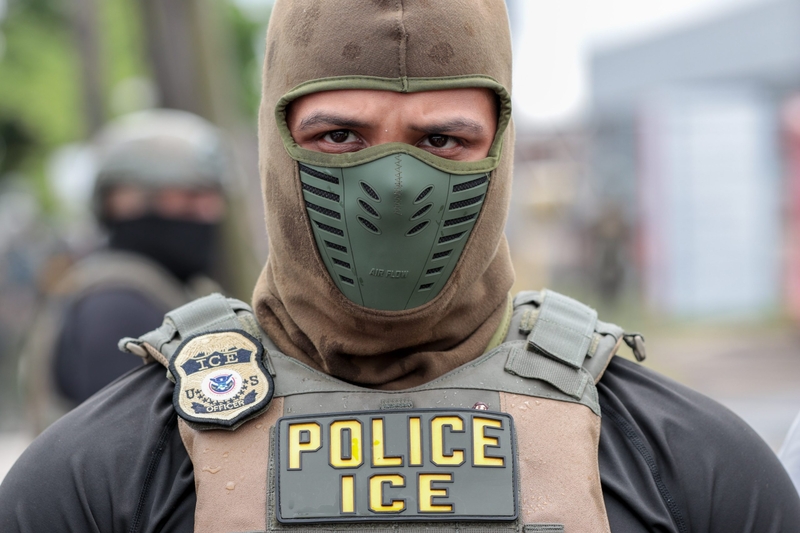
NewsWK — Federal immigration authorities reported a sharp rise in arrests in July, driven by expanded tactics that include airport detentions, commercial vehicle inspections, and checkpoints on federal lands.
The operational shift has direct implications for Southern Vermont and surrounding border regions in New York and Massachusetts, where residents rely on major regional transport hubs, international academic talent, and regional healthcare workers.
Why it matters here
While the federal government has focused its operations on high-density transit hubs, the broad reach of new enforcement strategies affects communities across Bennington County and nearby regional centers. Travelers using major transit locations, including Boston Logan International Airport and Albany International Airport, face heightened federal scrutiny when returning from domestic or international trips.
Regional institutions, including local colleges in Western Massachusetts and Southern Vermont, host foreign scholars and international students who could be impacted by changing federal visa regulations. Healthcare facilities across New England also rely on foreign-born medical staff, underscoring how immigration enforcement changes ripple into local services.
Recent incidents in New England highlighted these dynamics when a registered nurse working at a Portland, Maine, hospital was detained by federal agents at Boston Logan International Airport. The arrest sparked public protests before her release, drawing attention to how visa enforcement targets professionals working in critical regional sectors.
Additionally, the introduction of federal enforcement actions on public lands has raised concerns for outdoor enthusiasts. In North Carolina, federal agents conducted a joint operation near a national forest creek, leading to 13 arrests and drawing criticism from environmental groups who worry such actions could deter people from visiting public outdoor spaces, including national forests like the Green Mountain National Forest in Vermont.
Surge in monthly detentions
Department of Homeland Security figures indicate that immigration agents arrested approximately 51,000 individuals nationwide in July. That total marks a notable increase from 43,000 arrests in June, representing the highest monthly figure recorded under the current presidential administration.
Despite the monthly surge, total arrests remain below the federal target of 2,000 detentions per day. Federal officials stated that agents are averaging between 20 and 40 arrests daily at airports by focusing on individuals with expired visas or status discrepancies.
Immigration policy analysts note that a significant portion of those detained fall into legal gray areas, such as individuals who have let a visa expire while actively applying for another lawful status. Data shows that less than one-third of current detainees have a criminal conviction, while 40 percent have only non-criminal immigration violations on their records.
Legal advocates emphasize that individuals with pending immigration applications should consult legal counsel before undertaking air travel, as federal authorities increasingly treat airports as efficient enforcement locations.
“The focus is so much on the arrest numbers that the mission seems a little confused to the general public,” said Colleen Putzel-Kavanaugh, an associate policy analyst at the Migration Policy Institute.
Upcoming visa rules and economic concerns
Enforcement efforts at transit hubs are expected to intensify in September when a new federal rule takes effect. The upcoming regulation establishes stricter time limits on student visas, foreign exchange visitor passes, and foreign media credentials.
Economists warn that restricting international scholars, researchers, and technical talent could carry significant financial consequences for the national economy over the long term. Reduced international enrollment and academic participation could reduce economic output in scientific and educational sectors by tens of billions of dollars over the next decade.
Recent detentions at airports included high-profile academic figures, such as a Cameroonian public health scholar from Johns Hopkins University and a university instructor from Ethiopia. Academic leaders express concern that strict enforcement will deter international experts from attending conferences or completing research in the United States.
Background and legal challenges
The rapid expansion of federal detention practices has encountered pushback in the federal court system. Federal judges across the country have issued orders releasing approximately 2,000 detainees per month through bond hearings, challenging federal mandatory detention policies.
The U.S. Supreme Court is scheduled to review the legality of mandatory immigration detention policies during its October term, a ruling that will establish definitive guidelines for federal holding procedures.
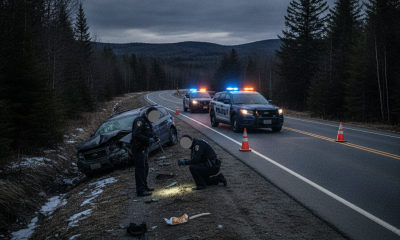
Safety concerns surrounding traffic stops have also prompted operational changes within immigration agencies. Following fatal shootings during traffic stops in Texas and Maine, as well as a fatal pedestrian incident in Florida involving a fleeing motorist, federal border officials announced that enforcement officers will now be required to wear body cameras during vehicle stops.
What to watch
As federal agencies prepare to enforce stricter visa rules in September, local community members, healthcare workers, and academic institutions in Southern Vermont and neighboring regions will be monitoring how regional transit points and legal processes respond to the expanding federal directives.
This article was produced with the assistance of AI and reviewed by our editorial team.