Bennington
Crisis Pregnancy Centers Face Scrutiny Over Care and Oversight
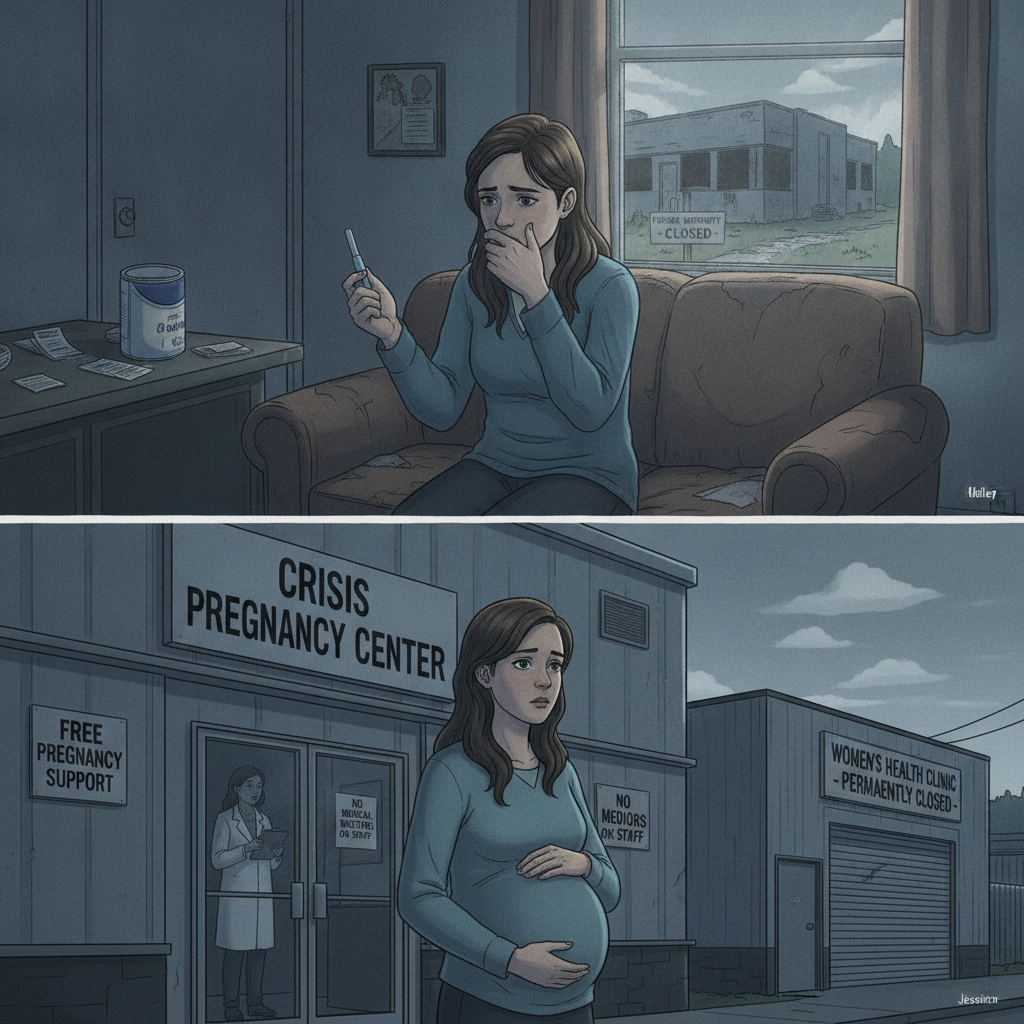
Hailey Allred and Jessica Perigo don’t know each other, but last year they were both financially insecure and living in abortion-ban states, where reproductive health clinics and maternity wards have closed in recent years, when they unexpectedly became pregnant. Both…

Last updated:
Key points
Crisis Pregnancy Centers Face Scrutiny Over Care
- A national report examines varying patient experiences at crisis pregnancy centers across several states.
- Some visitors reported critical emotional and material support, while others cited religious pressure and a lack of medical guidance.
- Public funding for these centers has increased significantly despite limited government oversight of medical standards.
NewsWK — As pregnancy resource centers receive hundreds of millions of dollars in public funding nationwide, questions surrounding medical standards and oversight remain a focal point for healthcare advocates in Southern Vermont and across the country.
According to a report first published by Stateline, experiences at these non-profit centers vary widely depending on facility accreditation, staffing, and organizational missions.
Varied Client Experiences Across the Country
Crisis pregnancy centers often offer free pregnancy tests, ultrasounds, and baby supplies to women facing unexpected pregnancies. However, client accounts highlight stark differences in how these services are delivered.
In Florida, one visitor reported feeling pressured regarding religious affiliation while seeking an ultrasound to rule out medical complications. “I just wanted the ultrasound because I wanted to ease my own anxieties,” Jessica Perigo told Stateline, noting that staff provided little medical guidance beyond confirming her pregnancy.
Conversely, an accredited center in Meridian, Idaho, offered extensive medical and social resources to Hailey Allred during a high-risk twin pregnancy. “They gave me all the resources and the comfort I could find,” Allred said, describing how the facility provided prenatal vitamins, mental health referrals, and nursery items.
Oversight and Medical Care Standards
Despite receiving substantial taxpayer funding in recent years, many crisis pregnancy centers operate with minimal regulatory oversight. Key details regarding these facilities include:
- Services offered: Free pregnancy verification, non-diagnostic ultrasounds, counseling, and material support such as diapers and clothing.
- Regulatory status: Most facilities are non-medical organizations, though some obtain independent medical accreditation.
- Internal concerns: Former center directors and healthcare workers have raised questions regarding medical disclosures, client agency, and sanitation practices.
What This Means for Local Residents
For residents in Bennington County and surrounding communities, understanding the distinction between licensed medical clinics and faith-based resource centers is essential when seeking reproductive health services. Local health advocates recommend verifying whether a facility employs licensed healthcare providers before scheduling clinical care.
This article was produced with the assistance of AI and reviewed by our editorial team.
Based on reporting by Sofia Resnick, Shalina Chatlani originally published by Stateline. Read the original story.
Related: High Risk Pregnancy Abortion Bans: What New National Guidelines Mean for Southern Vermont
See a typo? Report it here.