Bennington
States Ban Surveillance Pricing to Protect Grocery Shoppers
Three states this year became the first ones to enact laws restricting companies from using personal data such as browsing history or shopping habits to set individualized prices on goods and services, a practice known as surveillance pricing. The laws…

Last updated:
Key points
States Ban Surveillance Pricing to Protect Grocery
- Connecticut, Maryland, and New Jersey enacted new laws restricting retailers from using personal data to set individualized prices.
- New Jersey placed a one-year moratorium on new electronic shelf labels while evaluating their impact on consumers.
- Industry groups contend overly broad regulations could complicate store reward programs and raise compliance costs.
NewsWK — As online and in-store algorithms increasingly influence consumer costs, several states are moving to prohibit targeted pricing strategies based on personal tracking data.
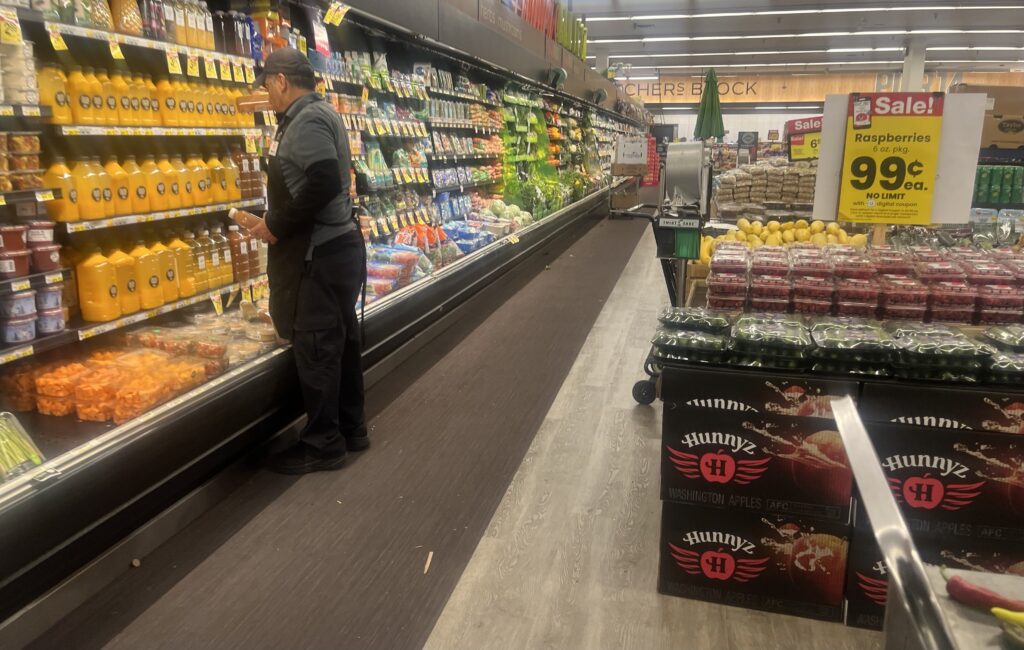
According to a report first published by Stateline, Connecticut, Maryland, and New Jersey became the first three states this year to pass legislation banning companies from using browsing history and buying habits to set custom prices for individual shoppers. Lawmakers in at least 11 other statehouses debated similar measures this session as digital price tag technology becomes more common in supermarkets.
How New Northeast Laws Target Digital Pricing
The practice, often called surveillance pricing, allows companies to charge different rates to different customers based on personal tracking information. While Vermont has not enacted a similar restriction, regional neighbors like Connecticut have already signed safeguards into law.
Connecticut Governor Ned Lamont signed legislation in June that broadly bars retailers and delivery apps from using personal data to adjust prices, while still permitting standard promotional discounts. In New Jersey, Democratic Governor Mikie Sherrill signed a bill prohibiting data-driven grocery pricing and placing a one-year pause on new electronic shelf tag installations while state officials study their effects.
“New Jersey families are already feeling the pressure of higher costs,” Sherrill said in a statement quoted by Stateline. “The last thing they need is companies secretly using their personal data to charge them more than someone else for the exact same product.”
Exemptions and Industry Concerns
Maryland enacted the nation’s first surveillance pricing ban, which takes effect Oct. 1. That law applies to third-party delivery services and grocery stores with at least 15,000 square feet of floor space. It allows traditional store loyalty programs and price differences based on local operating costs or supply levels, giving businesses 45 days to correct violations before facing state enforcement.
Consumer advocates warn that individualized pricing is hard for shoppers to spot because individuals rarely see what another customer is paying for the same item. Meanwhile, retail and technology industry groups argue that broad bans could unintentionally disrupt popular discount programs and increase costs for businesses.
How This Affects You
While consumers in Bennington County and surrounding areas rely on general state consumer protection rules for now, legislative momentum in nearby states could influence national retail practices. Local residents shopping across state lines or ordering through food delivery apps may soon see clearer boundaries between standard promotional discounts and dynamic personal pricing.
This article was produced with the assistance of AI and reviewed by our editorial team.
Based on reporting by Robbie Sequeira originally published by Stateline. Read the original story.