Bennington
How Rural C-Section Opioid Prescriptions Impact Postpartum Care
Women giving birth in rural communities were more likely than peers in urban areas to receive oral opioid prescriptions for pain upon leaving the hospital after a cesarean section, according to a new analysis of data from half a million…

Last updated:
Key points
- Rural women are significantly more likely to receive opioid prescriptions after a C-section than urban mothers.
- The disparity persists despite identical pain-management protocols while patients are still in the hospital.
- Substance use disorder remains a leading driver of maternal mortality nationwide.
NewsWK — Southern Vermont mothers face unique healthcare challenges. A new national study shows these disparities extend directly to postpartum pain management. Rural patients who deliver via cesarean section receive opioid prescriptions upon discharge far more often than urban mothers.
Why it matters
For families in Bennington County and surrounding rural towns, accessing safe postpartum care is vital. Substance use disorder remains a leading cause of maternal mortality across the country. Understanding these prescribing patterns helps local healthcare providers protect new mothers. They can balance addiction risks with effective pain management.
What does the Truveta postpartum study reveal about opioid prescriptions after C-section?
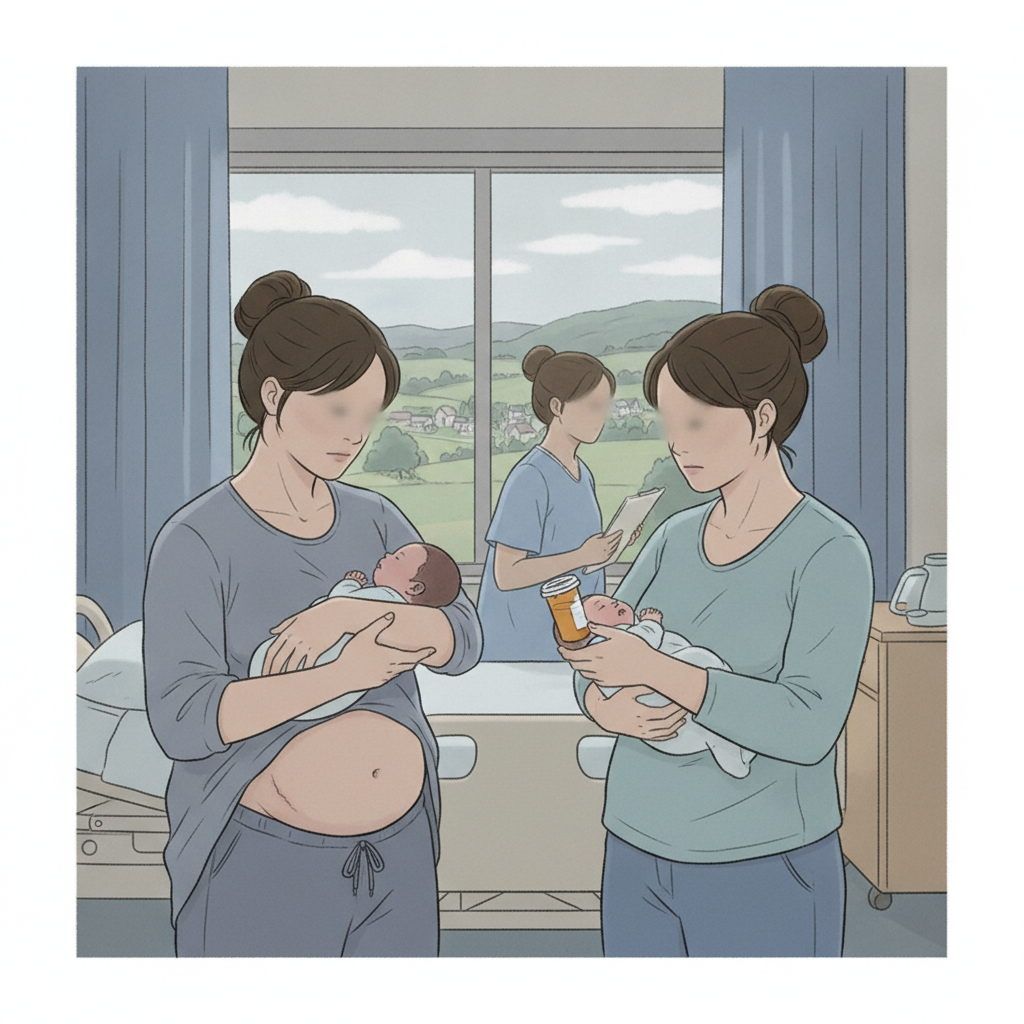
The Truveta postpartum study analyzed over 540,000 births between January 2018 and July 2026. Researchers discovered that hospital-based pain management remained consistent across all geographic groups. However, doctors prescribed opioids to 10 more rural women out of every 100 patients upon discharge compared to urban mothers.
Why do rural patients experience different C-section pain management?
Rural patients often face different discharge protocols, leading to higher prescription rates for several types of medication. Along with stronger narcotics, rural mothers also received more prescriptions for over-the-counter pain relievers like acetaminophen and ibuprofen. This highlights a broader trend of sending rural patients home with more take-home medication options.
About one in three American births occurs via cesarean section. Typically, doctors combine acetaminophen, NSAIDs, and opioids like oxycodone or fentanyl to manage recovery. However, federal data shows that substance use and mental health conditions contribute to over 20% of pregnancy-related deaths.
Lead researcher Madhura Vachon, a former epidemiologist, questioned the drivers behind these regional differences. “It does raise a very important question about what’s driving that difference in prescribing, and what happens after women are going home,” Vachon stated.
This article was produced with the assistance of AI and reviewed by our editorial team.
Sources
Related: Rural Maternity Care Vermont Faces Growing Risk as Travel Distances Rise
Related: Challenges and Outlook for Miscarriage Care in Bennington County
See a typo? Report it here.