New York
Rensselaer County Judge Leads Push for NY Mental Health Courts
Despite efforts to expand the system, more than half of the state’s counties still lack courts that serve people with serious mental illness.

Last updated:
Key points
Rensselaer County Judge Leads Push for NY Mental
- Roughly half of New York’s 62 counties lack dedicated mental health courts, creating uneven legal outcomes across the state.
- Based at the Rensselaer County Courthouse in Troy, Judge Debra J. Young is leading efforts to expand problem-solving courts statewide.
- Lengthy delays and strict eligibility rules leave many incarcerated defendants waiting months for treatment programs.
NewsWK — For residents in Rensselaer County and nearby border communities, access to specialized legal programs for defendants dealing with severe mental illness remains a critical issue. According to a report first published by New York Focus, about half of New York‘s 62 counties still do not operate a mental health court, leaving many individuals without access to court-supervised treatment as an alternative to incarceration.
Roughly 1,700 people actively participated in compliant mental health court programs statewide last year. These specialized dockets connect defendants diagnosed with conditions like schizophrenia or bipolar disorder to local treatment, supportive housing, and social services, often resulting in reduced or dismissed charges upon successful completion.
Local Efforts to Expand Problem-Solving Courts
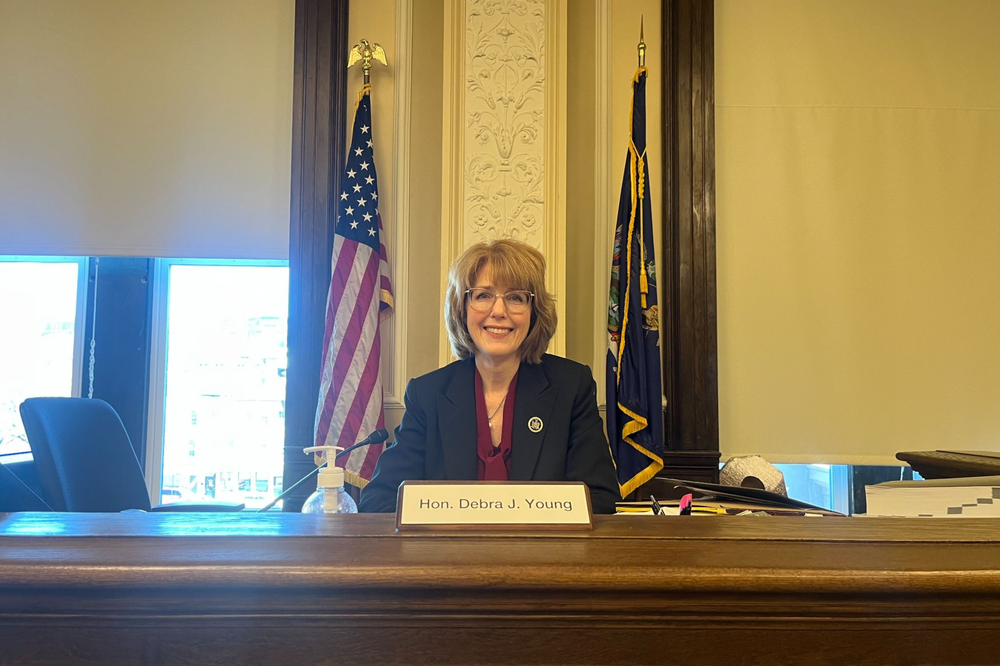
Efforts to broaden access across eastern New York are centered in our region. Judge Debra J. Young coordinates statewide problem-solving courts from the Rensselaer County Courthouse in Troy, working to bring these programs to underserved areas.
“Our goal is to have one in every county as soon as we possibly can,” Judge Young told New York Focus, noting that judicial leaders are reviewing and approving paperwork for new court dockets regularly.
Key facts regarding the state of New York mental health courts include:
- More than 40 mental health courts exist statewide, with an additional 12 county programs currently in development.
- Graduation rates at established courts range between 73 percent and 87 percent, with studies indicating significant reductions in repeat arrests.
- A law signed by Governor Kathy Hochul allows cases originating in counties without mental health courts to transfer to neighboring jurisdictions with active programs.
- Defendants often face long delays, sometimes waiting up to nine months in jail for clinical assessments before program enrollment begins.
Delays and Proposed Legislative Reform
Despite positive outcomes, advocates and defense attorneys caution that administrative backlogs leave eligible defendants spending months in custody, which can worsen mental health conditions. Advocates continue to push for the passage of the Treatment Court Expansion Act, a legislative proposal backed by state judicial leaders that would standardize diversion standards and broaden eligibility criteria.
Former court participants emphasize the impact of community support over traditional sentencing. “Mental health court is wonderful,” former participant Tracy Barber told New York Focus. “It’s the process of mentorship, and within the community, which is where I think change can really happen.”
How This Affects You
As state judicial leaders in Troy work to build out court infrastructure, expanded access to mental health dockets could lower local jail populations and improve public safety in Capital Region and neighboring communities. Local residents and family members navigating the criminal justice system can ask court representatives or public defenders about transfer options to nearby jurisdictions if local specialized courts are unavailable.
This article was produced with the assistance of AI and reviewed by our editorial team.
Based on reporting by Eliza Fawcett originally published by New York Focus. Read the original story.