Health News
Crisis Pregnancy Centers in Vermont Face Oversight Challenges
The auditors trying to learn how a dozen crisis pregnancy centers in Louisiana had spent nearly $1.2 million ultimately could not figure it out. Despite a new law, the state had failed to establish a process for the centers or…


Last updated:
Key points
Crisis Pregnancy Centers in Vermont Face Oversight
- Crisis pregnancy centers in Vermont may face similar oversight issues as those uncovered in Louisiana.
- Audits revealed that many centers operate without proper licenses despite offering medical services.
- Legislation aimed at increasing transparency has faced challenges in implementation.
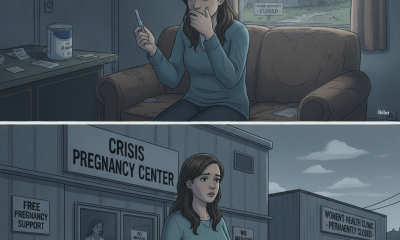
NewsWK — The operations of crisis pregnancy centers in Vermont and surrounding areas raise concerns about oversight and the quality of medical services provided. Recent audits in Louisiana revealed that many centers, which received substantial taxpayer funding, were not licensed healthcare facilities despite offering medical services such as ultrasounds.
What’s Happening
In Louisiana, auditors discovered that a dozen crisis pregnancy centers spent nearly $1.2 million without proper tracking or accountability. These centers provided ultrasounds and other medical services without the necessary licenses from the state’s Department of Health.
Gina Brown, performance audit manager for the Louisiana Legislative Auditor, noted, “They were providing medical services, and no, they were not licensed by our Department of Health.” As a result, patients lacked a formal mechanism to file complaints if issues arose during their care.
Local Implications
While this report focuses on Louisiana, similar concerns could apply to crisis pregnancy centers in Vermont and nearby regions. OB-GYNs and reproductive health advocates have expressed worries about the potential lack of oversight and quality at these centers, which often provide limited medical services alongside counseling.
Training and Standards
Shari Richard, a registered diagnostic medical sonographer, highlighted that while some training programs for ultrasound technicians are thorough, others lack rigorous hands-on experience. “These nurses have good hearts, but they don’t know what they don’t know,” she said, emphasizing the need for proper training to ensure safe and effective care.
Many crisis pregnancy centers operate independently and are not required to meet the same standards as licensed medical facilities. This can lead to variability in the quality of care offered to women facing challenging pregnancy decisions.
Current Legislation
In response to these issues, Louisiana lawmakers considered a bill requiring crisis pregnancy centers to obtain licenses for providing ultrasounds. However, the final amendment only mandated that centers disclose they are not licensed, leaving significant gaps in accountability.
What’s Next
As states like Louisiana grapple with the regulation of crisis pregnancy centers, Vermont residents should be aware of these issues. Increased scrutiny may lead to calls for better oversight and transparency in how these centers operate and the services they provide.
This article was produced with the assistance of AI and reviewed by our editorial team.
Based on reporting by Sofia Resnick originally published by Stateline. Read the original story.