New York
Paraquat, Parkinson’s in Hebron, NY: Community Confronts Health Concerns
Paraquat is banned in more than 70 countries. In a small town that one resident calls “Parkinson’s Valley,” farmers and their families are demanding that New York follow suit.

Last updated:
Key points
- Hebron residents suspect a link between paraquat herbicide and rising Parkinson’s cases.
- Local lawmakers faced challenges in passing restrictions on paraquat usage.
- Community members are actively seeking legislative changes to protect public health.
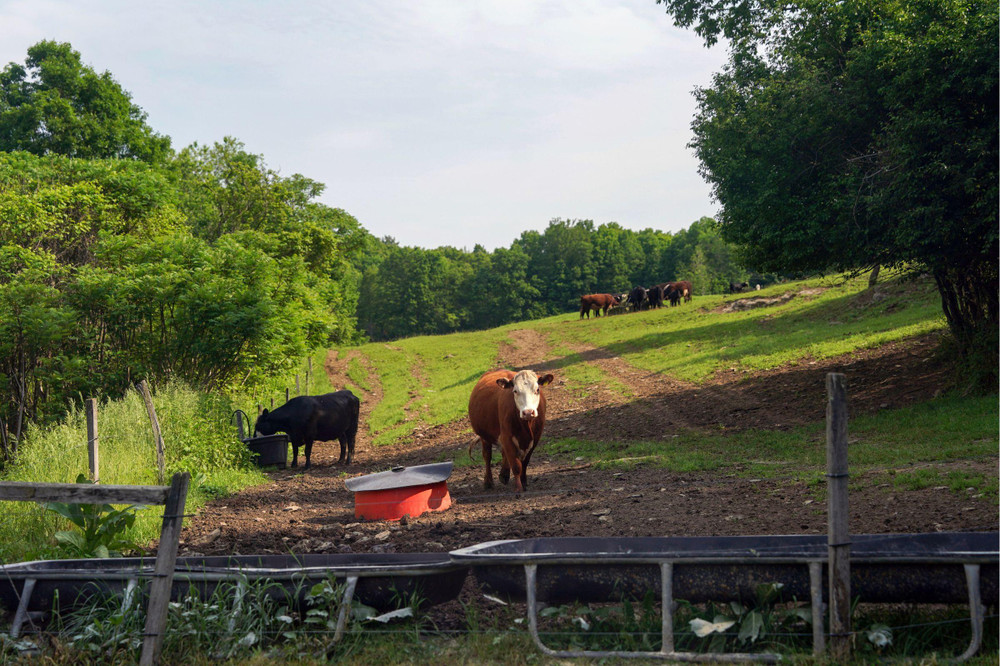
NewsWK — Residents of Hebron, a small farming town in Washington County, are grappling with a disturbing rise in Parkinson’s disease, which many believe is connected to the use of the herbicide paraquat. According to a report first published by New York Focus, local farmer Gordon Chaplin has been diagnosed with the disease, prompting concerns among community members about their health and the environmental factors at play.
Health Concerns and the Paraquat Herbicide Parkinson’s Link
Parkinson’s Disease in Hebron, New York
Gordon Chaplin, 81, has owned his 200-acre farm for over 40 years. He experienced significant health declines over the past decade, which culminated in a Parkinson’s disease diagnosis. Chaplin and his wife, Sarah Teale, suspect that the decades of paraquat spraying on their land could be a contributing factor to their ailments.
Teale noted a troubling trend, stating that 14 residents near their farm have also been diagnosed with Parkinson’s, dubbing a stretch of highway “Parkinson’s Valley.” This has led to a deeper investigation into the herbicide’s impact on the community.
New York Paraquat Ban Legislation and Ongoing Research
- Paraquat is banned in over 70 countries due to health concerns.
- New York attempted to introduce a bill to restrict paraquat use, but it did not pass amid a budget standoff.
- Vermont is currently the only state to have successfully banned the herbicide.
Despite mounting evidence linking paraquat to Parkinson’s disease, including studies showing increased risks for those exposed, the Environmental Protection Agency (EPA) has not yet made a definitive connection. However, they have acknowledged the herbicide’s toxicity, requiring special training for its applicators.
Community Response and Future Outlook
Local residents are increasingly vocal about their concerns. A town hall meeting organized by Teale attracted more attendees than expected, illustrating the community’s frustration and fear regarding the health implications of agricultural practices. Brian Campbell, the Hebron town supervisor, also expressed his worries, noting that the number of cases in his town seems disproportionately high compared to other areas.
As Syngenta, the company behind paraquat, plans to cease production of the herbicide, advocates for public health are urging lawmakers to take the necessary steps to ban its use in New York. Nathan Donley, a senior scientist at the Center for Biological Diversity, emphasized the importance of preventing any new companies from taking over paraquat production in the absence of a ban.
With the upcoming legislative session, community members remain hopeful that their voices will lead to meaningful change regarding paraquat and public health regulations.
This article was produced with the assistance of AI and reviewed by our editorial team.
Based on reporting by Amudalat Ajasa originally published by New York Focus. Read the original story.
Related: Bennington 250 Announces ‘250 for 250’ Year-End Gala to Support Anniversary Celebrations
Related: Bennington Local Option Tax: Town Seeks Resident Input Ahead of Vote
Related: Border County Tax Pressures Mount as New York Shifts SNAP Costs
Related: Smithsonian Partners With Bennington Groups for Cultural Initiative
Related: Bennington Select Board Reviews 1% Option Tax Ahead of November Vote
Related: Cities Turn to Artificial Intelligence to Clear Housing Permit Backlogs
See a typo? Report it here.