Bennington
Transgender Athlete Ruling Bennington County: Assessing Local Impact of Supreme Court Decision
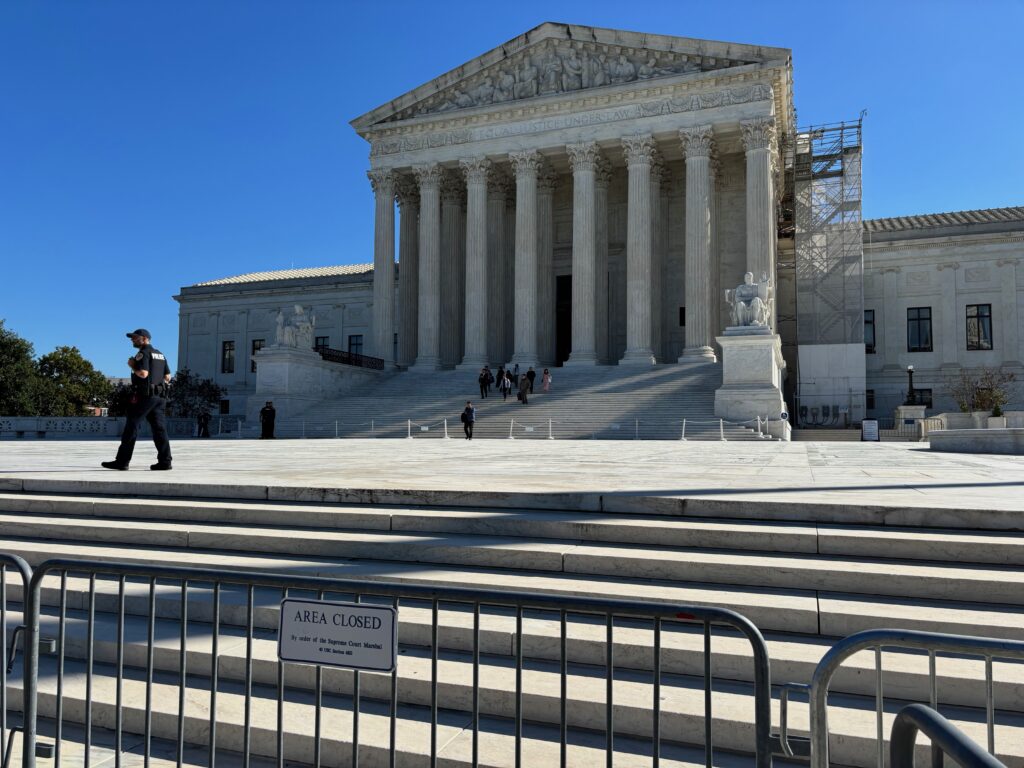
WASHINGTON — The U.S. Supreme Court on Tuesday kept in place state laws banning transgender athletes from participating on women’s and girls’ sports teams. The decision stems from challenges to bans in Idaho and West Virginia and marks a major setback for transgender rights across the country.…

Last updated:
Key points
- The Supreme Court upheld bans on transgender athletes in Idaho and West Virginia.
- This ruling may influence local sports policies in Bennington and surrounding areas.
- Community discussions will be essential in addressing the implications of this decision.
WASHINGTON NewsWK — The recent ruling by the U.S. Supreme Court, which upheld state laws banning transgender athletes from participating in women’s sports teams, has significant implications for communities across Bennington County and the surrounding areas. This decision could impact local schools and sports organizations as they navigate the evolving landscape of gender inclusivity in athletics.
Details of the Supreme Court Transgender Sports Ban
On October 29, 2024, the Supreme Court decided in a 6-3 vote that the bans in Idaho and West Virginia do not violate the Equal Protection Clause of the 14th Amendment. This ruling is seen as a major setback for transgender rights nationally, particularly affecting students who identify as transgender.
Justice Brett Kavanaugh, who wrote the majority opinion, stated that the existing laws do not contravene Title IX, which mandates equitable opportunities in sports for both male and female students. He maintained that states like West Virginia have the right to limit women’s sports to biological females, categorizing this as a reasonable legislative decision.
Impact on Bennington County School Athletics
Mount Anthony Union High School Sports Considerations
This ruling raises important questions for local institutions, such as Mount Anthony Union High School and other sports organizations within communities like Pownal and Shaftsbury. As schools prepare for upcoming sports seasons, they may need to reassess their policies regarding athlete participation to ensure compliance with this ruling while also considering the inclusion of all athletes.
Local officials and educators might face challenges in addressing concerns from students and parents regarding fairness and inclusivity in school sports. The ruling could lead to increased dialogue about how best to support all athletes while adhering to state and federal laws.
Broader Context
The decision comes amid a wider anti-trans agenda led by the previous administration, which has sought to impose restrictions on transgender participation in various sectors, including sports. This ruling aligns with similar policies enacted in over 27 states, potentially influencing the future of athletic policies across the nation.
As discussions unfold in our communities about the implications of this ruling, local leaders may need to engage with residents to understand their perspectives and foster an inclusive environment for all students.
What’s Next?
As local schools and sports organizations react to this ruling, residents should stay informed about potential changes in policies regarding student athlete participation. Engaging in community discussions will be vital in shaping a supportive and equitable environment for all young athletes.
This article was produced with the assistance of AI and reviewed by our editorial team.
Based on reporting originally published by Stateline. Read the original story.
Related: Bennington 250 Announces ‘250 for 250’ Year-End Gala to Support Anniversary Celebrations
Related: Warm, Cloudier Pattern Sets In for Bennington County Before Weekend Drizzle and Cooler Air
Related: Bennington Battle Day Marked as Historic Monument Awaits Repairs
Related: Damp Late-August Stretch Brings Rain, Drizzle, and Cooler Temperatures to Bennington County
Related: Border County Tax Pressures Mount as New York Shifts SNAP Costs
Related: Smithsonian Partners With Bennington Groups for Cultural Initiative
See a typo? Report it here.