Middlebury
Patriote Rebellion Vermont 1837: How Border Towns Offered Refuge
Refuge on the border


Last updated:
Key points
- Fleeing Canadian Patriote exiles crossed into northern Vermont towns like Swanton, Alburg, and St. Albans in late 1837.
- Governor Silas Jenison refused to provide state weapons to local crowds, preserving U.S. neutrality with Britain.
- Exile leaders split during Middlebury meetings in January 1838 over whether to launch new armed incursions.
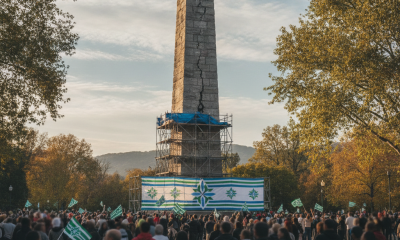
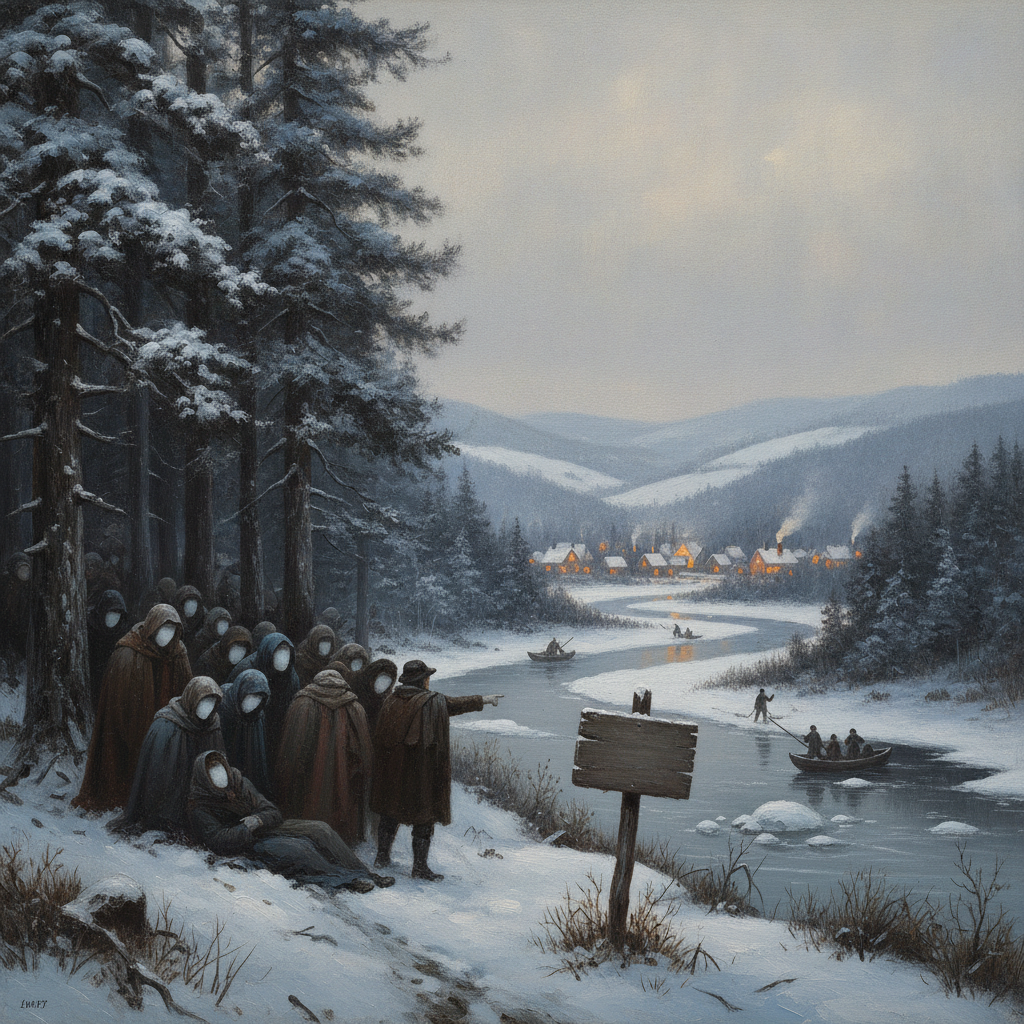
NewsWK — During late November 1837, political unrest in Lower Canada spilled into northern Vermont. Displaced fighters crossed the border to seek sanctuary in several small towns.
How did Swanton Vermont Patriote exiles shape border history?
Local communities like Alburg, Highgate Springs, and St. Albans sheltered these fleeing leaders. However, border raids from these safe havens increased tensions along the frontier and forced state leaders to take direct legal action.
Key historical figures who entered Vermont included:
- Louis-Joseph Papineau: Crossed Missisquoi Bay in a rowboat on December 1, 1837, after nearly drowning.
- Lucien Gagnon: Settled in Swanton at the end of November 1837 and recruited 60 men.
- Édouard-Élisée Malhiot: Led 70 to 80 men and two cannons across the border before encountering troops at Moore’s Corner on December 6.
- Édouard-Étienne Rodier: Suffered injuries during the Battle of Moore’s Corner and returned to Swanton for care.
Why did Canadian leaders clash during their exile?
Tensions among exile leaders mounted over whether to pursue diplomatic solutions or start new armed invasions. Cautious leadership clashed with radical voices during winter meetings in Middlebury and Swanton. Consequently, radical commanders pushed moderate leaders aside to organize fresh attacks along the northern border early in 1838.
For instance, Louis-Joseph Papineau Vermont allies urged caution, but leaders Cyrille-Hector-Octave Côté and Robert Nelson rejected peaceful debate. They organized new forces during the January 1838 meetings in Middlebury to plan further military incursions.
What role did Governor Silas Jenison 1837 play in the border crisis?
Governor Silas Jenison 1837 actions aimed to preserve American neutrality while protecting border residents. St. Albans residents requested weapons from the state arsenal on December 11, 1837, because they feared British forces might cross the border. However, Jenison refused that request to avoid signaling state aid to the rebels.
Because the U.S. federal government wanted to avoid another war with Britain, state officials maintained strict neutrality. Therefore, Jenison mobilized the state militia on December 13, 1837, to secure the border and keep the peace.
This article was produced with the assistance of AI and reviewed by our editorial team.
Related: Exploring the Nicest Small Towns in Vermont for Bennington Residents
Related: New York Governor Race: Key Issues for Border Residents