Alabama
How the Rising Utility Bills Election Issue Drives Races Nationwide
As broad affordability concerns define elections across the country, voters in several states on Tuesday will have a say on their future utility bills. State utility regulators, who are facing heightened levels of attention and scrutiny amid high prices, are…

Last updated:
Key points
- U.S. households face an estimated 8.7% average increase in winter heating costs, while Northeastern fuel oil users could see a 50% spike.
- Voters in nine states are deciding utility regulator races this election cycle after high rates fueled primary defeats for several incumbents.
- High energy costs and utility rate hikes have emerged as major political issues in gubernatorial races and legislative campaigns nationwide.
NewsWK — Winter weather is approaching Southern Vermont. Consequently, local voters are paying close attention to rising monthly energy expenses. High heating bills and growing power costs have turned utility budgets into a main concern. This trend affects Families Across Bennington County and surrounding towns.
Across the country, voters are taking their frustrations directly to the voting booth. As a result, energy costs are shaping political debates nationwide. They are also driving voter turnout from governor races to utility board contests.
What do rising heating and electricity costs mean for Southern Vermont?
Northeastern residents face steep price increases this winter. This is especially true for households relying on delivered heating oil. National home heating projections show average household costs climbing significantly across the region. For families in Bennington, Arlington, and Manchester, high winter bills create real financial strain during the coldest months.
The National Energy Assistance Directors Association released new figures recently. According to the group, average U.S. households will spend $1,030 on home heating this winter. That represents an $82 increase, or an 8.7% surge over last year. Furthermore, that rate of increase is more than 2.5 times the current national inflation rate.
However, the financial outlook is even more challenging for Northeastern households using fuel oil. In fact, industry analysts project a 50% cost spike for oil-heated homes this season. Many older homes in Southern Vermont depend on heating oil. Because of this, local families face substantial pressure on their monthly budgets. Consequently, community members are watching energy policies and utility regulatory decisions very closely.
How Are State Utility Regulators Elections Changing Power Bills?
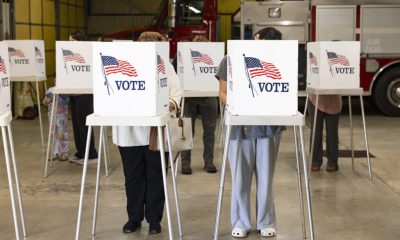
Nine states feature state utility regulators elections on their ballots this year. These contests give voters a direct voice on utility leadership. Specifically, regulators approve or deny rate increase requests from power companies. As public frustration grows over high bills, voters are increasingly voting out incumbents who oversee persistent rate hikes.
Most Americans receive electricity from private utility monopolies. State boards oversee these companies. Therefore, these regulatory panels hold tremendous authority over monthly electric rates.
This election cycle, nine states have utility regulator seats on the ballot:
- Alabama
- Arizona
- Georgia
- Louisiana
- Montana
- Nebraska
- North Dakota
- Oklahoma
- South Dakota
Voters in several states have already rejected incumbent regulators during primary contests. For example, voters ousted two Republican members of the Alabama Public Service Commission during primary and runoff contests. Currently, Alabama experiences some of the highest electricity prices in the American South. Similarly, an incumbent Republican commissioner in Arizona lost his primary bid earlier this year.
Why Are Utility Rate Hikes Public Outcry Growing This Winter?
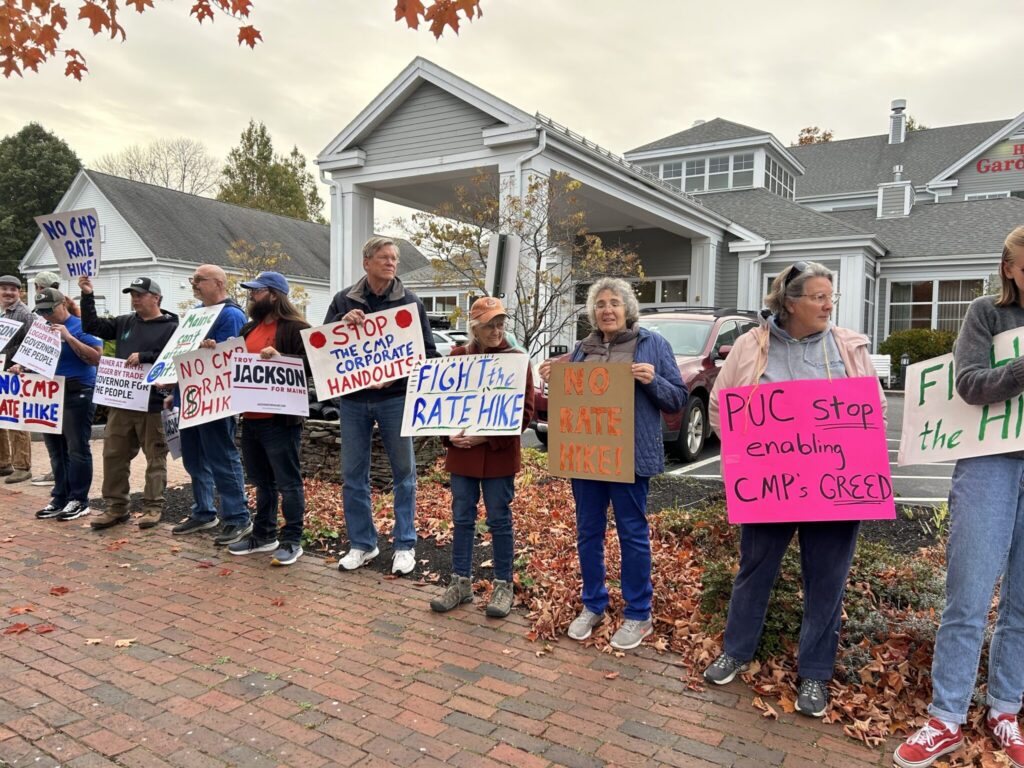
Utility rate hikes public outcry has expanded far beyond general inflation worries. Instead, it has grown into a focused campaign for consumer protection. Families are demanding rate freezes, increased winter assistance funds, and fair pricing rules. Above all, people want assurance that residential customers will not subsidize large industrial energy consumers.
Ted Thomas is a former Republican chairman of the Arkansas Public Service Commission. Currently, he serves as a senior adviser for the consumer advocacy group PowerLines. He noted that energy concerns began surfacing in off-year elections before spreading nationwide. “It began to emerge in 2024 as part of the overall concern on inflation, and then it seemed to have gone beyond that with a focus on energy specifically,” Thomas explained.
Meanwhile, political advocacy groups are actively mobilizing voters around utility costs. For instance, the LCV Victory Fund pledged more than $110 million to back candidates focused on energy affordability. Sara Schreiber serves as senior vice president of campaigns at the organization. She emphasized that voters are angry about high power costs. “Voters are not simply frustrated, they’re angry at monopoly utility companies, Big Tech, and Big Oil, who are making record profits while families struggle,” Schreiber stated.
How Do Power Bills Governor Races Impact Local Heating Costs?
Power bills governor races have turned energy policy into a deciding issue for state leaders nationwide. Recent gubernatorial contests in New Jersey and Virginia proved this point. Specifically, candidate positions on electric rates heavily influenced voter decisions there. Governors appoint utility regulators and influence state energy legislation directly.
In Georgia, voters flipped two seats on the state regulatory board to Democrats last year. Notably, that victory marked the first statewide constitutional wins for Georgia Democrats in nearly two decades. Meanwhile, gubernatorial candidates nationwide are putting high electricity rates ballot concerns at the center of their campaigns.
Still, energy experts caution that elected officials cannot instantly cut energy rates. After all, state leaders face complex global energy markets and regional transmission costs. However, regulators can change how power companies distribute costs between residential households and large industrial operations.
What factors are pushing up energy expenses nationwide?
Utilities across the country are requesting billions of dollars in new rate increases. They use these funds to update aging infrastructure and manage grid demands. Meanwhile, industry representatives attribute rising consumer bills to high wholesale electricity prices and regional grid transmission fees. However, debate continues over the impact of large data centers on local power supplies.
Some consumer advocates argue that massive New Data Centers Drive up local electricity costs for ordinary residents. In contrast, the Edison Electric Institute released a study defending data center expansion. This group represents investor-owned electric companies. According to the organization, power providers work with state regulators to ensure data centers pay their fair share. Additionally, they aim to keep rates as affordable as possible.
Furthermore, industry leaders note that Regional Wholesale Markets Drive much of the recent cost growth. Multi-state transmission grids also push expenses higher. Ultimately, those wholesale pricing factors fall outside the direct control of individual state utility commissions or local power providers.
How can Southern Vermont residents prepare for winter energy costs?
Local programs like seasonal fuel assistance remain vital as cold weather arrives in Bennington County.
Residents seeking support with winter heating bills have local options. Specifically, they can contact community action agencies or state fuel assistance programs. These groups offer guidance before peak winter weather arrives.
This article was produced with the assistance of AI and reviewed by our editorial team.
Sources
Related: Utility Rate Hikes Southern Vermont: Local Impact of Rising Energy Cost Proposals
Related: How Rising Household Water Bills Strain Budgets in Bennington County
See a typo? Report it here.