Bennington
Understanding E-Bike Speed Laws and Regulations in New England
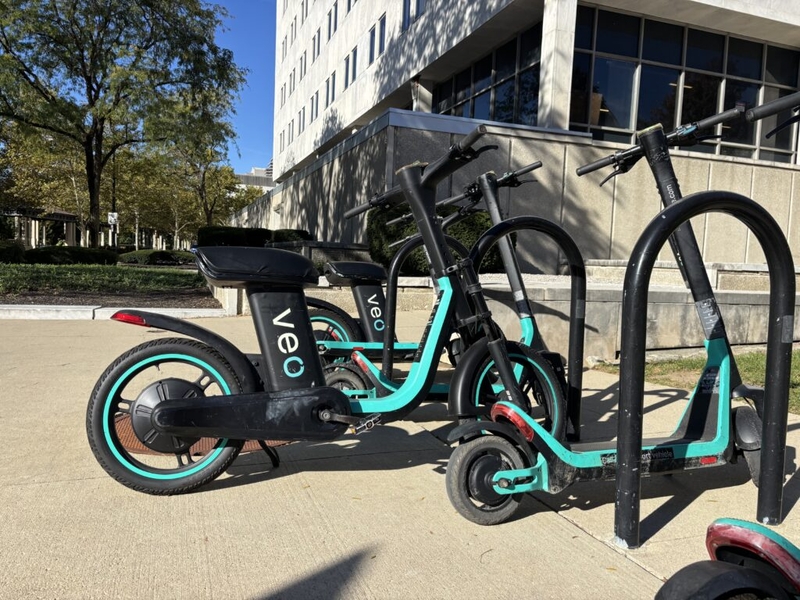
Earlier this month, a 50-year-old man riding his personal electric scooter in Washington, D.C., was killed when he collided with a woman on a rideshare scooter. In June, a 12-year-old Massachusetts girl died after her electric scooter slammed into a…

Key pointsState lawmakers across the U.S. are enacting new e-bike speed laws and age restrictions following a surge in severe injuries and deaths.A study by Johns Hopkins researchers found that children ages 11 to 14 account for nearly 25 percent of electric scooter injuries.Regional proposals in neighboring states like Massachusetts set stricter standards that could influence local municipal traffic policies.
NewsWK — High-speed electric rides are flooding town streets across New England and beyond. Consequently, lawmakers are pushing for stricter enforcement on two wheels. Communities in Southern Vermont, Berkshire County, and nearby New York now face urgent questions. Specifically, they must address road safety and speed limits.
What Are the New E-Bike Speed Laws and Regulations Across States?
State lawmakers across the country are drafting stricter e-bike speed laws and regulations. These rules control fast, battery-powered vehicles. Recent legislation sets new minimum riding ages, mandates helmet use, and restricts fast models from sidewalks. Ultimately, these measures aim to curb severe accidents from high-powered electric bicycles and scooters on public roadways.
In recent months, traffic safety officials reported a sharp rise in serious collisions. Modern electric bicycles can reach speeds comparable to traditional motorcycles. However, current traffic codes in many municipalities still classify these fast devices as ordinary bicycles.
One D.C. crash victim’s e-scooter could reach speeds up to 55 miles per hour. That creates significant danger for both riders and pedestrians. Consequently, federal agencies are warning consumers about the risks. The U.S. Consumer Product Safety Commission recently noted a steady rise in electric ride fatalities nationwide. Meanwhile, testing groups like Consumer Reports declined to recommend any electric scooters this year due to high injury risks.
How Will E-Bike Regulations Massachusetts and Regional Rules Impact Local Roads?
Massachusetts leaders introduced proposed e-bike regulations to create standardized safety rules. These rules will directly affect border towns in Berkshire County and Southern Vermont. Clearer speed limits and age restrictions will help local police manage shared roadways. However, local riders must prepare for new licensing, helmet, and equipment requirements as surrounding states update traffic codes.
Governors and lawmakers in neighboring states are taking direct action. For instance, Massachusetts Governor Maura Healey recently introduced comprehensive legislation to set new safety standards. She noted that current statewide rules remain inconsistent and unclear for riders and police officers alike.
Many Bennington County residents cross state lines into Massachusetts for work and shopping. Therefore, these regional law changes matter locally. Nearby state proposals set clear expectations for helmet use and street access.
Why Are E-Scooter Speed Limits Becoming an Urgent Concern for Safety?
Enforcing realistic e-scooter speed limits helps prevent severe crashes on crowded downtown streets and sidewalks. High-speed scooters often lack adequate braking power for sudden stops. Therefore, capping motor assistance prevents dangerous collisions near pedestrian walkways and busy intersections.
Child safety remains a primary trigger for these legal changes. Research from Johns Hopkins Children’s Center shows that young teens face severe crash risks. In fact, nearly one in four electric scooter injuries involves children between 11 and 14 years old.
Pediatric specialist Dr. Mary Beth Howard highlighted the severity of recent emergency room visits. “This isn’t just scraped knees,” Howard stated during a review of hospital data. Furthermore, she noted that one in ten injured children required full hospital admission.
What Drives Micromobility Safety Legislation in Nearby Communities?
Growing crash numbers and community outcry are driving new micromobility safety legislation across multiple state legislatures. Lawmakers are moving quickly because existing bike regulations cannot address fast, throttle-assisted vehicles. Consequently, the new laws establish tiered classifications and enforce mandatory rider education. They also separate slow pedaling bikes from fast motorized units.
States across the nation are enacting varied restrictions to tackle the problem:
Illinois recently passed laws requiring driver’s licenses for bikes traveling over 28 miles per hour.New Jersey now mandates registration and licensing for all electric bikes on public roads.Pennsylvania lawmakers approved a bill establishing a minimum age of 16 for scooter riders.Michigan state leaders proposed mandatory teen licenses for bikes exceeding 20 miles per hour.Ohio lawmakers introduced bills banning children 13 and under from operating e-bikes.
Meanwhile, industry advocates support clear legal boundaries. They emphasize that low-speed pedal-assist bicycles differ significantly from throttle-driven electric bikes. Therefore, manufacturers urge states to adopt tiered regulations instead of total bans on public pathways.
What Steps Should Local Drivers and Riders Take Next?
Local drivers and riders should review municipal traffic laws and helmet requirements before hitting the road. Specifically, riders must check device classifications and speed capabilities to ensure compliance with local ordinances. Meanwhile, motor vehicle drivers should remain vigilant and give extra space at intersections. Drivers should also expect faster approach speeds from electric bicycles.
As state legislatures refine traffic standards, local residents should monitor municipal selectboard meetings. This applies to Bennington, Shaftsbury, and surrounding towns. Soon, municipalities may consider local ordinance updates for shared paths and downtown sidewalks.
Riders can protect themselves right now by wearing certified helmets. They should also keep lights on during evening travel. Finally, parents should inspect high-speed bikes before letting younger teens ride on public thoroughfares.
This article was produced with the assistance of AI and reviewed by our editorial team.
SourcesStateline
Related: Vermont State Police Shaftsbury Barracks Logs Excessive Speed Incident in Southern Vermont
Related: Upstate New York Bike Infrastructure Expands Across Capital Region and Beyond
See a typo? Report it here.