
Albany
How NYC Civil Service Reform Impacts Border Town Job Seekers
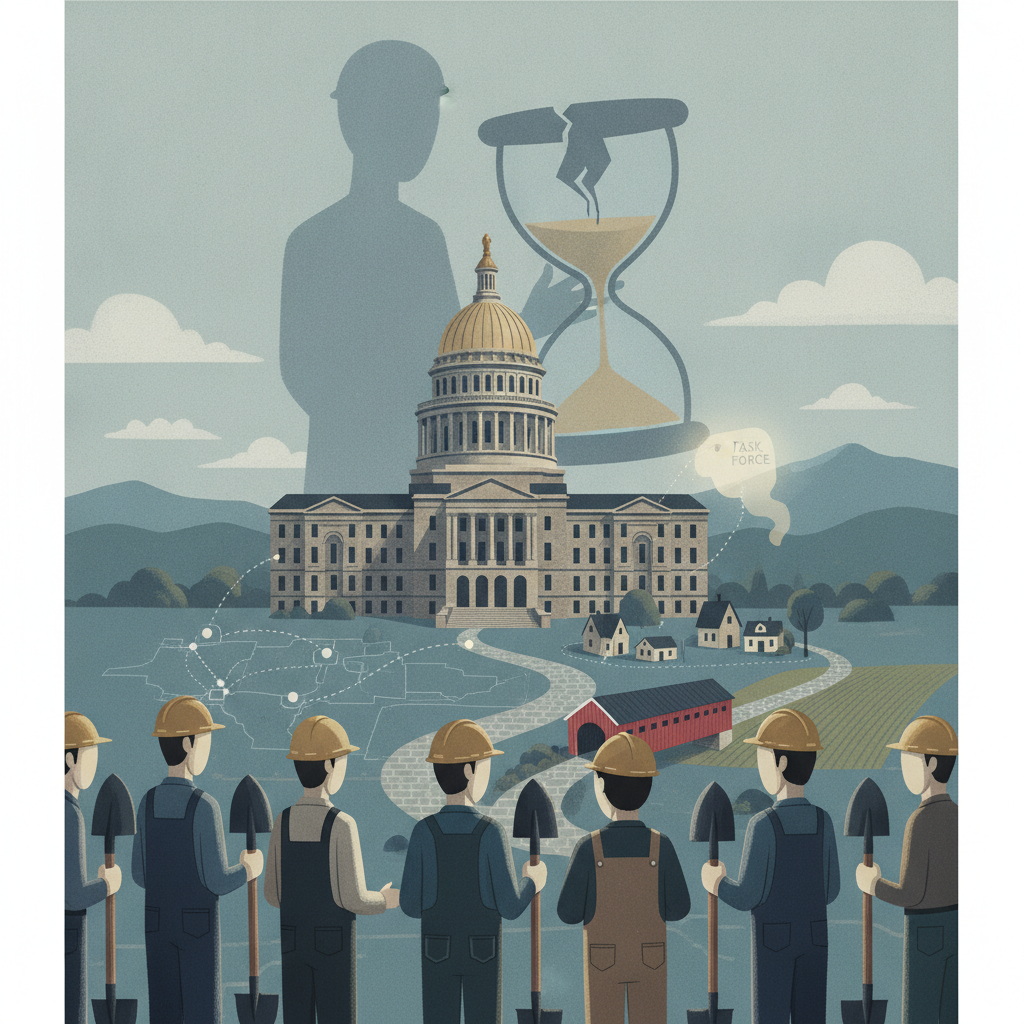
A new mayoral task force will study the dysfunctional 143-year-old civil service system and propose changes in Albany.

Last updated:
Key points
- NYC Mayor Zohran Mamdani launched a 12-member joint task force with labor unions to modernize the city’s slow municipal hiring process.
- The committee plans to present reform recommendations to state lawmakers in Albany starting in December 2026.
- Union leaders, including DC37‘s Henry Garrido, are participating to ensure merit-based protections remain while streamlining bureaucratic delays.
NewsWK — Mayor Zohran Mamdani is pushing to overhaul New York City‘s slow hiring system. Because any changes require state approval, the upcoming political debate will center in Albany. Consequently, this legislative battle directly affects our neighboring communities in Rensselaer and Washington counties. In fact, many local commuters and regional job seekers closely watch these New York state employment policies.
How does NYC civil service reform affect our regional workforce?
Changes to New York City’s employment rules directly ripple into the Capital Region and neighboring Southern Vermont. For instance, many local residents commute across state lines or seek New York municipal careers for stable benefits. As a result, a faster hiring pipeline downstate could attract local workers and reshape regional labor trends.
Our local economy connects deeply with New York state’s public sector. For example, residents in Hoosick, Hoosick Falls, and White Creek often seek state and municipal opportunities. In addition, when the state’s largest city struggles to hire, it affects the broader state budget and Albany priorities. Soon, local state representatives will debate these proposed civil service changes. Therefore, area workers pursuing public sector careers should monitor these developments closely.
Why is a New York City hiring process overhaul happening now?
Mayor Zohran Mamdani recently launched a new 12-member advisory committee to address severe staffing shortages and bureaucratic delays. Specifically, the group aims to modernize aging technology, streamline confusing job titles, and accelerate the hiring timeline. In doing so, this effort marks the most significant push for municipal employment reform in over a decade.
Currently, the system relies on civil service rules established in 1883. Those rules originally aimed to prevent political favoritism, but the process now creates massive delays. In fact, applicants often wait up to 15 months from their initial test to their actual start date. Consequently, this slow pace drives top talent toward private companies. Meanwhile, critical city agencies face severe vacancy crises. For example, the Health Department, Police Department, and Finance Department all reported major staffing shortages last month. Thus, the Zohran Mamdani civil service initiative seeks to resolve these urgent problems.
What role do NYC civil service exams play in the delays?
Under the current system, about 80 percent of city positions require applicants to pass specific civil service exams. However, these outdated tests often feature obsolete questions that fail to measure modern skills. Furthermore, long delays in scheduling exams and grading results force qualified candidates to seek employment elsewhere.
Indeed, testing delays remain a primary obstacle for prospective city employees. For instance, some job descriptions still require experience with “video display terminals,” a term unused for decades. Yume Kitasei, commissioner of the Department of Citywide Administrative Services, leads the modernization committee. Kitasei emphasized that slow hiring directly harms the city’s competitiveness. She stated, “Talent is going to go where they have the offer, and if we can’t offer people jobs quickly, then people move on with their life.” To resolve these bottlenecks, the committee plans to explore virtual testing and faster scoring methods.
How will DC37 civil service modernization shape the final proposal?
Municipal labor unions hold immense power over civil service rules, so their cooperation is vital for any successful modernization. Henry Garrido, executive director of DC37, will serve as vice chair of the new advisory committee. Crucially, his involvement ensures that workers’ rights and merit-based protections remain central to the reform discussions.
Historically, past reform efforts failed because city leaders ignored union concerns. For example, former Mayor Michael Bloomberg tried to cut the number of tested jobs in 2011. However, unions quickly blocked that proposal. More recently, labor groups stopped an effort by former Mayor Eric Adams to waive exams for hundreds of positions. In contrast, the DC37 civil service modernization partnership represents a collaborative approach. Garrido expressed optimism about removing bureaucratic hurdles while protecting merit-based hiring. As Garrido noted, “You can have a system that promotes and protects merit and fitness, but at the same time [is] competitive, if you remove some of the bureaucratic things.”
What is the timeline for these reform proposals?
The newly formed advisory committee will deliver its first set of recommendations in December 2026. This timeline allows state lawmakers to consider legislative changes during the 2027 legislative session. Afterwards, the group will release a second, more comprehensive report in December 2027 to guide further civil service updates.
The task force includes a balanced mix of city officials and labor leaders. Consequently, this diverse membership aims to build consensus before sending bills to Albany. Here is a look at the committee’s key participants:
- Yume Kitasei, Commissioner of the Department of Citywide Administrative Services (Chair)
- Henry Garrido, Executive Director of DC37 (Vice Chair)
- Sherif Soliman, Director of the Office of Management and Budget
- Steve Banks, Corporation Counsel
- Julia Kerson, Deputy Mayor for Operations
- Gloria Middleton, President of CWA Local 1180
- Benny Boscio, President of the Correction Officers’ Benevolent Association
Additionally, the administration plans to conduct a listening tour with current city workers. Officials will also gather feedback from everyday job seekers to identify practical pain points. Furthermore, administrative changes, such as improved communication and updated software, could begin even before state lawmakers vote.
This article was produced with the assistance of AI and reviewed by our editorial team.
Sources
Related: Mamdani Gets a New York City Bailout, but Not the One He Wanted
Related: Kathy Hochul Announces NY HELPS Program Extension as NYC Opts Out
See a typo? Report it here.