Bennington
Vermont Resists Federal Funding Local Police Immigration Enforcement as National Arrests Climb
WASHINGTON — This summer, arrests of immigrants in the United States soared to the highest levels since President Donald Trump returned to office. An unprecedented increase in cooperation between local and state law enforcement and federal immigration officers through collaborations…

Last updated:
Key points
- Vermont remains one of only 12 states with zero 287(g) agreements, resisting a nationwide trend of local police cooperation with ICE.
- Billions of dollars in federal funding from the Secure America Act have driven a massive surge in local police immigration enforcement nationwide, with agreements growing from 135 to over 2,600.
- The task force model, which deputizes local officers for active street duty, is the primary driver behind the significant immigration arrests increase in 2025.
WASHINGTON NewsWK — A massive wave of federal funding for local police immigration enforcement sweeps the country. Yet, Vermont remains one of the few states refusing this federal push. Therefore, this choice keeps local police focused on community safety instead of federal civil immigration enforcement.
Why it matters
For residents in Bennington County, local tax dollars and police resources stay dedicated to local needs. In addition, our police departments do not divert officers to enforce federal civil immigration laws. Consequently, this policy maintains trust between local law enforcement and all Southern Vermont community members.
What is the 287(g) program and how is it growing?
The federal 287(g) program empowers local police to act as federal immigration officers. Under the Trump immigration crackdown, these agreements surged from 135 to over 2,600 nationwide. Furthermore, billions of dollars in federal funding now incentivize local departments to join. As a result, these pacts turn local jails and street patrols into active deportation arms.
According to data analyzed by Stateline, federal immigration arrests surged over the summer. In June, authorities recorded roughly 43,000 immigration arrests. Then, that total climbed to 49,000 in July and nearly 51,000 in August.
Moreover, this surge matches a rapid rise in 287g agreements ICE signed with local agencies. Congress fueled this growth through the Secure America Act immigration funding package. Specifically, this legislation allocated more than $31 billion to support these local agreements.
Theresa Cardinal Brown is a former Department of Homeland Security official. She noted that these agreements used to be voluntary and costly for local towns. “Now, the federal government has money to pay them, and so that’s encouraging more states and localities to do it because it’s a budget plus-up,” Brown said.
How does this national trend impact Southern Vermont?
Vermont stands out as one of only 12 states with zero 287(g) agreements with ICE. Meanwhile, local police cooperation with ICE grows rapidly across Southern and Midwestern states. However, agencies in Bennington County and across Vermont operate under protective state policies. These rules strictly bar local police from performing federal civil immigration duties.
Only 12 states have completely avoided these agreements. This group includes:
- Vermont
- Maine
- Connecticut
- Rhode Island
- California
- Delaware
- Hawaii
- Illinois
- Maryland
- New Jersey
- Oregon
- Washington
Meanwhile, neighboring states like New York and Massachusetts lack statewide bans. Thus, some local departments just across our borders could legally choose to participate. This includes border towns like Hoosick, New York, or Williamstown, Massachusetts. In contrast, Vermont law keeps our local officers focused strictly on state and local crimes.
What are the three models of local police cooperation with ICE?
The federal government uses three distinct models to partner with local police departments. These options range from simple jail status checks to active street patrols. Above all, the task force model represents the most aggressive version today. Indeed, it has seen a massive revival and accounts for nearly three-quarters of all agreements nationwide.
Why is the task force model driving the immigration arrests increase 2025?
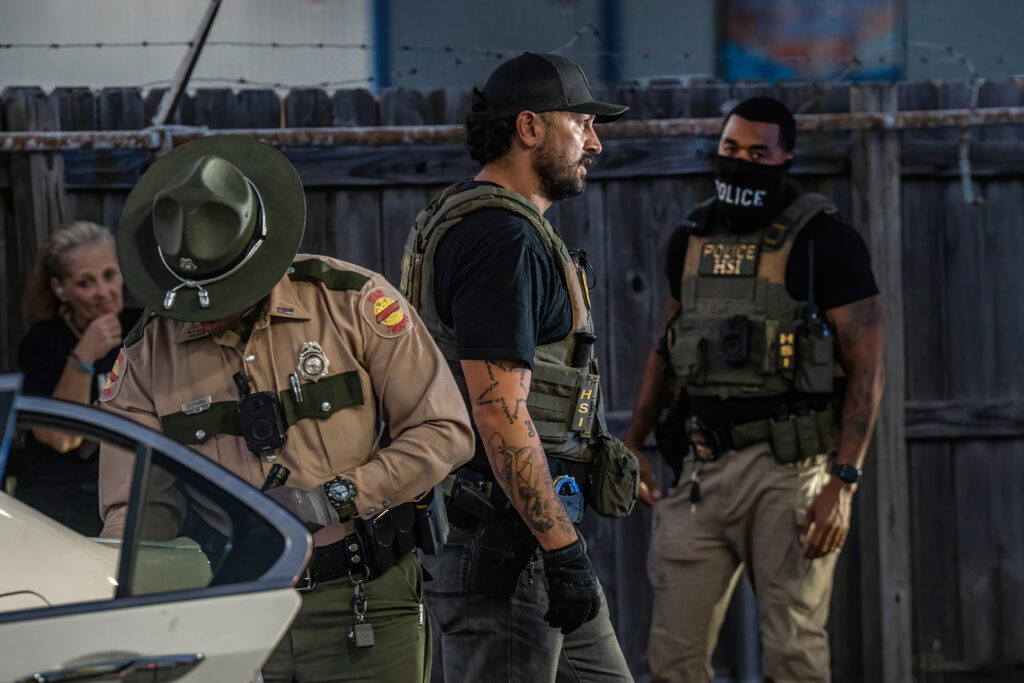
The task force model allows federal authorities to deputize local officers for street duty. Consequently, this structure directly drives the immigration arrests increase 2025. Deputized local police detain individuals during routine traffic stops. Therefore, local agencies serve as a powerful force multiplier without requiring extra federal field staff.
Under this model, local officers can ask about immigration status during routine traffic stops. Furthermore, they can detain individuals and transfer them directly to federal custody. Today, more than 71% of all active agreements use this task force model.
Todd Bensman, a senior research fellow at the Heritage Foundation, explained the efficiency of this model. “They can just arrest them on the spot and call ICE,” Bensman said. “That way you have a really dramatic force multiplier.”
In contrast, the other two models remain far less aggressive. The warrant service officer model allows local police to execute administrative warrants. Meanwhile, the jail enforcement model allows jail staff to check the status of people already booked for local crimes.
What is next for local police departments?
The tension between federal funding incentives and community trust continues to shape policing policies. The federal government threatens to withhold other funds from non-participating jurisdictions. Nevertheless, Vermont communities remain committed to maintaining a clear dividing line. As a result, local leaders separate public safety work from federal civil immigration enforcement.
In addition, Congress secured federal funding for these programs for the next three years. Hence, the pressure on local police departments nationwide will persist. For now, Southern Vermont law enforcement will continue to prioritize local community relationships over federal enforcement cash.
This article was produced with the assistance of AI and reviewed by our editorial team.
Sources
Related: Border County Tax Pressures Mount as New York Shifts SNAP Costs
Related: Bennington 250 Announces ‘250 for 250’ Year-End Gala to Support Anniversary Celebrations
See a typo? Report it here.