Bennington
Federal HIV Prevention Grants Shift Affects Southern Vermont
Nearly 100 community-based organizations have lost their federal HIV-prevention grants this week as the Trump administration redirects dollars to state and local health departments. The funding change represents a departure from the decades-old national HIV prevention strategy favored by most public…

Last updated:
Key points
- The federal government is ending direct HIV prevention grants to nearly 100 community-based organizations.
- Funding will now route through state health departments, creating potential delays and budget gaps for local clinics.
- Losing direct federal grants also disqualifies many local clinics from the 340B drug discount program, threatening their financial viability.
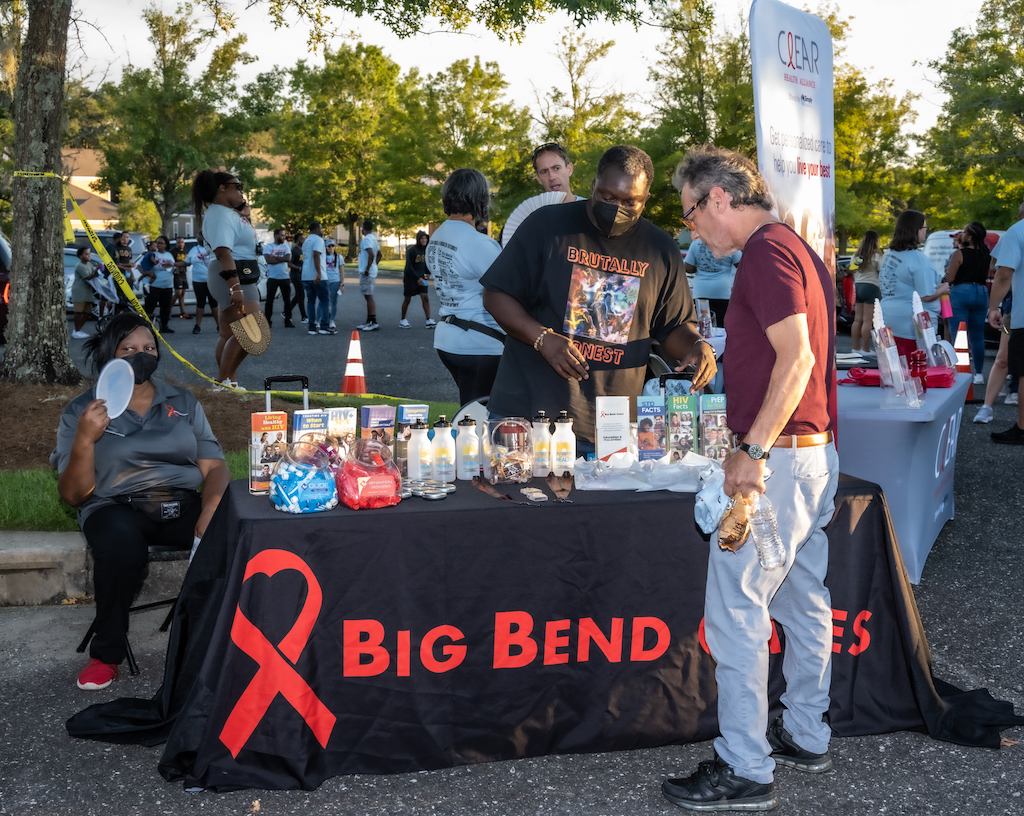
NewsWK — A major shift in federal healthcare policy is changing how local clinics fight HIV. The federal government is ending direct grants to community groups. Instead, federal officials are routing these funds through state agencies.
Why it matters
Health equity in Southern Vermont often depends on small, trusted community clinics. Large state bureaucracies cannot always reach these rural areas. When federal funds bypass local organizations, rural residents face longer wait times for HIV testing. They also lose easy access to preventative medications like PrEP. This policy change could disrupt established care networks in Bennington County and nearby rural communities.
How will the CDC HIV funding cuts affect local communities?
The federal shift redirects money from direct community grants to state health departments. This change could delay or reduce funding for local clinics. In rural areas like Southern Vermont and neighboring Berkshire County, these changes threaten trusted local programs. These clinics provide rapid testing, clean syringes, and preventative medications.
Nearly 100 community-based organizations in 31 states have already lost their federal grants. This policy shift marks a major departure from decades of national public health strategy. Historically, federal agencies worked directly with local groups. These groups have deep roots in their communities. They reach vulnerable populations more effectively than state or federal governments can.
Now, local groups must apply to state agencies for survival funds. However, federal rules do not require states to give them this money. The federal government recommends that states share 10% to 25% of the funds with community groups. Yet, public health experts warn this is not enough.
In rural regions, the impact could be severe. Local clinics often operate on very thin margins. A delay in state contracting can disrupt services for months. Meanwhile, patients who rely on these clinics for daily preventative care may fall through the cracks.
Why is state health department HIV funding changing now?
The federal government is restructuring the Ending the HIV AIDS Epidemic Initiative to consolidate financial oversight. Instead of sending money directly to community-based organizations, federal officials are distributing $90 million to state agencies, hoping states will distribute the funds efficiently to local partners.
The Ending the HIV AIDS Epidemic Initiative originally launched with ambitious goals. It aimed to reduce new HIV infections by 75% in five years. The program also targeted a 90% reduction by 2030. Since 2021, the initiative distributed $240 million directly to 96 community groups.
However, federal officials decided to change course this year. The U.S. Department of Health and Human Services redirected inquiries about the decision to the Office of Management and Budget. Neither the budget office nor the White House provided comments.
How will the new state health department HIV funding be distributed?
State health departments will receive $90 million through May 2027 to manage HIV prevention. While this increases overall state funding, local community groups must compete for a portion of these funds. States are encouraged to allocate up to 25% to these local partners.
- Total State Funding: $90 million distributed nationally through May 2027.
- Previous Annual Budget: Approximately $48 million per year.
- Target Allocations: States are encouraged to pass 10% to 25% of funds to local groups.
- Affected Organizations: Nearly 100 community-based groups in 31 states.
The new plan increases total funding to state health departments to $90 million through May 2027. This is nearly double the previous annual state allocation. But public health advocates argue that community groups will still see less money overall.
“These community-based organizations are on the ground doing the work,” said Carl Schmid, executive director of the HIV+Hepatitis Policy Institute. Schmid warned that a funding lapse is highly likely during this transition.
What does this mean for community based organizations HIV funding?
Community organizations face immediate budget shortfalls and the loss of drug discount programs. Because they no longer receive direct federal HIV prevention grants, many of these vital groups are losing their eligibility for discounted pharmaceuticals, forcing some to reduce services or close their doors entirely.
The loss of direct federal HIV prevention grants carries a hidden penalty. Under federal rules, only direct grant recipients qualify for the 340B drug pricing program. This program allows clinics to buy medications at steep discounts. Without this status, local clinics must pay retail prices for PrEP and other critical drugs.
This financial double-whammy is already proving fatal for some organizations. In North Carolina, a long-running community group announced it must close down entirely. Other groups across the nation are preparing for immediate layoffs.
State health departments also face administrative hurdles. Many state agencies require 45 to 90 days to draft and approve new contracts. Consequently, local clinics cannot transition smoothly to the new funding model.
“It is hard for a health department to create a new contracting process overnight,” said Emily Schreiber. Schreiber serves as the senior director of policy for the National Alliance of State and Territorial AIDS Directors. Schreiber noted that the tight timeline has created an unfortunate gap in funding.
What is next for Southern Vermont health networks?
Local health advocates in Southern Vermont and neighboring New York counties must now lobby state health departments. They need to secure their share of the new federal funds. Because Vermont and New York have progressive health policies, local groups hope state officials will prioritize community-based care.
Still, the transition will require close monitoring. Local residents who rely on community clinics for HIV testing or PrEP should contact their providers. They must ensure services remain uninterrupted. Community outreach remains the most effective tool to prevent the spread of HIV in rural New England.
This article was produced with the assistance of AI and reviewed by our editorial team.
Sources
Related: Border County Tax Pressures Mount as New York Shifts SNAP Costs
Related: Bennington 250 Announces ‘250 for 250’ Year-End Gala to Support Anniversary Celebrations
See a typo? Report it here.