Bennington
Trump EPA Power Plant Emissions Rollback Draws Regional Focus
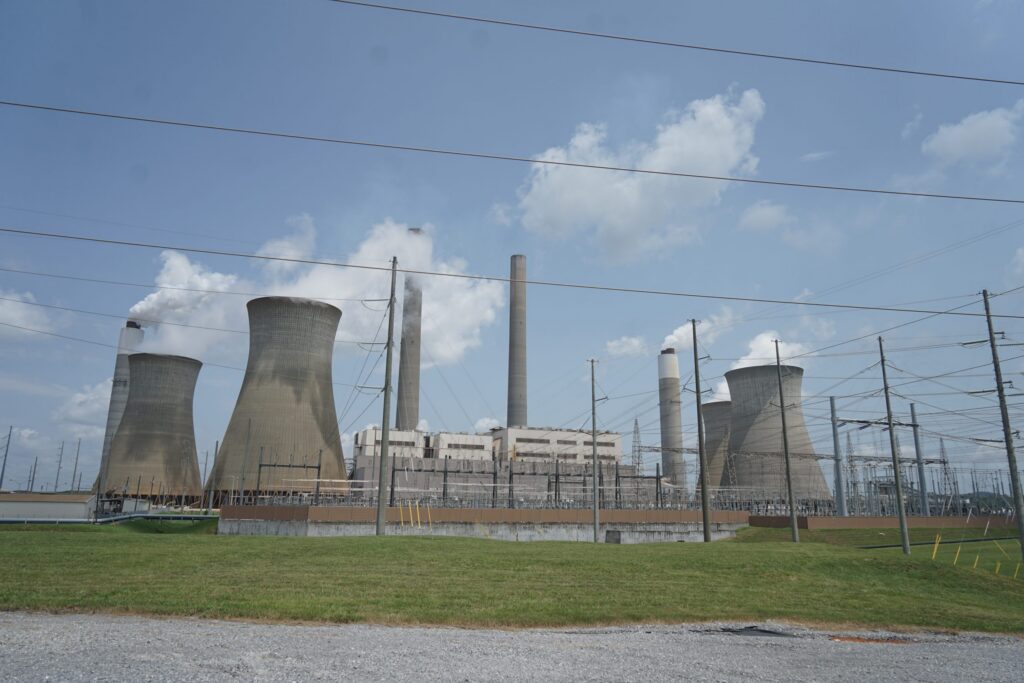
The U.S. Environmental Protection Agency will revoke limits on greenhouse gas emissions from power plants that run on coal and natural gas, according to regulatory documents Administrator Lee Zeldin signed Monday. The administration framed the action to repeal 2024 limits…

About Trump EPA Power Plant Emissions
Last updated:
Key points
- The Trump administration EPA revoked greenhouse gas emissions limits for coal and natural gas power plants, aiming to save producers at least $310 million.
- Federal regulators partially dismantled 2024 standards and launched moves to eliminate utility emissions restrictions dating back to 2015.
- The rollback creates regional ripple effects for Southern Vermont and neighboring states, potentially shifting climate enforcement burdens onto state regulators.
NewsWK — Federal environmental regulators have announced sweeping rollbacks of fossil-fuel restrictions nationwide. This policy shift directly affects regional energy grids. Consequently, it matters greatly to households across Bennington County and Southern Vermont.
The overhaul removes major compliance burdens on coal-fired and natural gas-fired electricity stations. Meanwhile, local residents continue to navigate fluctuating utility bills and regional clean power transitions.
Why it matters
This federal change directly influences power markets, regional air quality, and state environmental goals across New England and New York. Because prevailing winds carry emissions across state borders, midwestern and southern power plants affect air over the Green Mountains. In addition, shifting wholesale energy rules directly impact household utility bills across our local valley towns.
Regional electricity pricing also remains tied to wider wholesale power markets. When federal regulators ease restrictions, energy producers adjust their long-term supply planning. Therefore, families in Bennington, Pownal, and Manchester closely track their monthly electric bills.
At the same time, Vermont enforces strict statutory greenhouse gas reduction mandates. Consequently, a widening gap between federal rules and state laws could trigger fresh regulatory disputes across our border communities.
What do the new EPA greenhouse gas limits mean for power plants?
The revised EPA greenhouse gas limits lift mandatory carbon capture and strict emissions thresholds for existing fossil-fuel facilities. Federal regulators project the decision will save domestic energy producers at least $310 million in direct compliance costs. In addition, officials estimate this regulatory relief could trigger a tenfold jump in coal-fired power generation nationwide.
Specifically, the agency published two distinct regulatory actions in the Federal Register. Together, these measures dismantle key federal environmental standards established over the past decade. Federal officials framed the strategy around lowering consumer energy prices during global supply pinches. They also cited recent federal court rulings that restricted administrative agency powers.
Furthermore, agency leadership argued that preserving baseload power generation must take precedence over emissions caps. They asserted that strict carbon rules threatened to force premature retirements of coal and gas infrastructure.
How will the Biden carbon pollution standards repeal take effect?
The Biden carbon pollution standards repeal proceeds through two formal rulemaking filings issued simultaneously by federal regulators. First, an immediate final rule partially rescinds the 2024 standards set for fossil-fuel generating units. Next, a supplemental proposed rule seeks to eliminate remaining greenhouse gas restrictions instituted across the utility sector since 2015.
Federal regulators determined that original 2032 compliance deadlines were unrealistic for utilities. In their view, current technologies could not achieve those targets without severe grid disruption. However, supporters of the rollback praised the announcement as a critical economic course correction. They noted that conventional facilities protect industrial jobs and stabilize energy bills.
“Americans will see a decrease in electricity prices, but this is just the beginning,” Environmental Protection Agency Administrator Lee Zeldin said in a statement explaining the shift.
What led to Lee Zeldin EPA climate rules changes?
The latest Lee Zeldin EPA climate rules stem from an aggressive push to deregulate domestic power generation. Last year, the agency dismantled its foundational endangerment finding. That legal determination had served as the legal bedrock for all federal greenhouse gas regulations under the Clean Air Act. Now, regulators are systematically lifting utility sector mandates.
Agency officials now argue that domestic power plant carbon limits do not meaningfully alter global climate gauges. However, that assertion contradicts existing federal scientific data maintained by the agency itself. In fact, agency records identify electrical generation as the nation’s second-largest source of greenhouse emissions.
Consequently, environmental advocacy groups immediately criticized the policy change. Pete Wyckoff of Evergreen Action noted that the American power sector alone would rank as the world’s fifth-largest climate polluter if it stood as an independent nation. Meanwhile, congressional critics warned that dismantling emissions caps will accelerate costly weather disasters and increase respiratory illnesses.
Will EPA coal power plant regulations shift burden to states?
The rollback of EPA coal power plant regulations likely shifts the primary regulatory burden directly to state governments. Because federal rules will no longer enforce uniform baseline caps, progressive states must craft their own standards. As a result, northeastern state leaders are preparing tougher local laws to fill the emerging federal statutory void.
Senator Sheldon Whitehouse, a Rhode Island Democrat, strongly condemned the administration’s rollback. He pointed out that federal research previously credited the 2024 clean power rules with avoiding $20 billion in annual disaster recovery and public health expenses.
“In refusing to address this national crisis, EPA is shifting the costs of climate change onto every family in America,” Whitehouse said in response to the announcement.
Therefore, state environmental regulators across New England, New York, and Massachusetts face difficult choices. They must insulate local communities from cross-border pollution while managing their own renewable energy targets.
What should our region watch next as EPA rules change?
Local communities should expect significant legal challenges and regional energy adjustments in the coming months. A coalition of state attorneys general typically files federal lawsuits against major Clean Air Act rollbacks. Meanwhile, regional grid operators and state lawmakers must decide how shifting rules affect energy supplies, electric bills, and air pollution.
Here is what area residents should track as this policy develops:
- Legal filings by northeastern state officials seeking federal court injunctions against the new agency rules.
- Decisions by regional grid operator ISO New England regarding long-term power generation contracts and reliability planning.
- Air monitoring reports across southwestern Vermont measuring particulate drift from upwind generation facilities.
- Legislative debates in Montpelier regarding state-level air permits and renewable energy programs.
We will continue tracking how these shifting federal mandates affect air quality and utility bills across our border towns.
This article was produced with the assistance of AI and reviewed by our editorial team.
Sources
Related: California Vehicle Emissions Lawsuit May Impact Florida’s Auto Market
Related: Border County Tax Pressures Mount as New York Shifts SNAP Costs
See a typo? Report it here.