Bennington
FEMA Disaster Aid Shifts Leave Local Towns Facing Storm Costs
State leaders are breathing a sigh of relief that the Trump administration’s threats to eliminate the Federal Emergency Management Agency have subsided. But experts say there’s still confusion about President Donald Trump’s decisions to approve or deny disaster declarations, leaving…

Last updated:
Key points
- FEMA leadership has stabilized under new administrator Cameron Hamilton, but federal disaster declaration approvals remain politically unpredictable.
- Federal proposals to cut snowstorm aid and raise damage thresholds threaten municipal road maintenance budgets across northern communities.
- States are considering independent disaster recovery funds, though local officials warn building sufficient reserves will take time.
NewsWK — Federal disaster policies are shifting fast in Washington. For communities across Bennington County, FEMA changes could alter how local towns pay for emergency storm repairs. Town leaders in Southern Vermont must now watch federal disaster aid decisions with fresh caution.
Why it matters
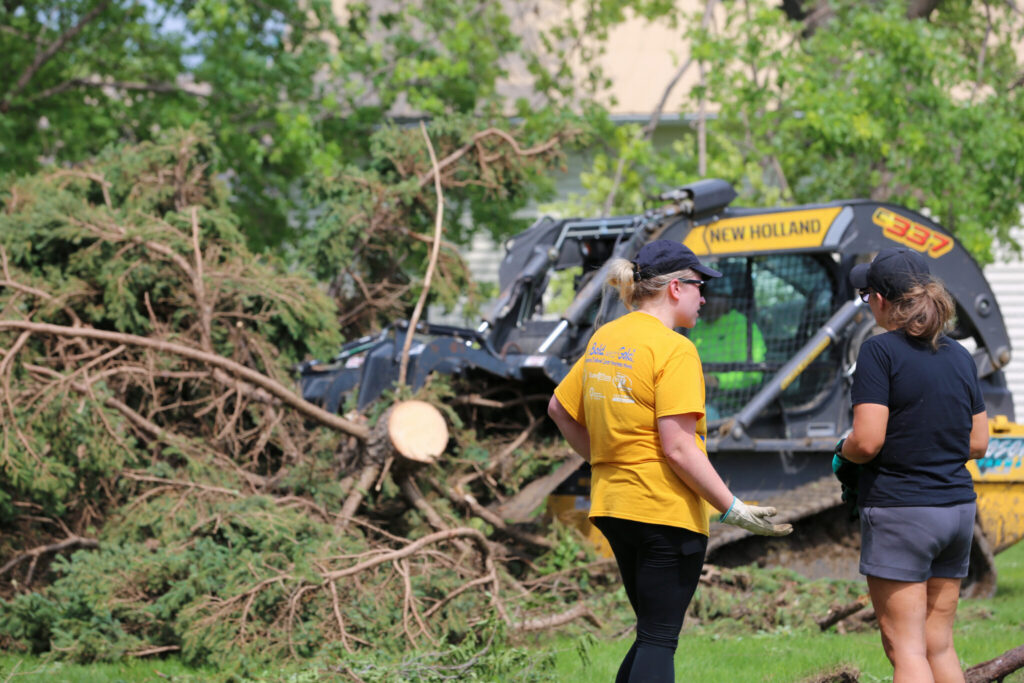
Small municipal budgets throughout our area depend on rapid federal reimbursement after severe storms. When flash floods wash out gravel roads, town highway crews must act quickly. But if federal funding stalls, local property taxpayers have to shoulder the sudden expense alone.
What is driving FEMA funding uncertainty for states?
Federal aid decisions now hinge on shifting political priorities and tighter scrutiny from the White House. While FEMA maintains official criteria for emergencies, the president holds final authority over disaster declarations. Consequently, this broad executive power creates major funding uncertainty for states and towns seeking recovery dollars after severe storms.
Recent data reveals notable differences in how the administration handles disaster requests. For instance, a March analysis showed the White House approved 89 percent of disaster requests from Republican governors. Meanwhile, Democratic-led states saw only 23 percent of their aid requests approved.
In July, President Donald Trump rejected disaster assistance for four Democratic-led states. Furthermore, he made that decision against the advice of his own emergency response agencies.
Emergency management experts note that this inconsistency complicates long-term budget planning. Juliette Kayyem chairs the Homeland Security Project at Harvard University’s Kennedy School of Government. She warned about the dynamic. She stated, “The foundation (at FEMA) seems stronger than it did six months ago, but this is an unreliable administration when it comes to the fair and equitable distribution of disaster funds.”
How has Donald Trump FEMA policy changed recently?
Agency leadership has stabilized after months of deep cuts and threats of elimination. The Senate confirmed Cameron Hamilton as permanent administrator following the departure of former Homeland Security Secretary Kristi Noem. Hamilton works to restore key programs. Yet Donald Trump FEMA policies still urge states to handle disasters independently.
Early in his second term, Trump suggested the agency might disappear entirely. Secretary Noem trimmed agency staffing and slashed operational spending before leaving office in March.
Hamilton had served as acting administrator before losing the post in May 2025. However, he returned with Senate backing after defending the agency’s core mission.
Still, the White House continues to attach new conditions to federal preparedness money. The administration told states they must comply with federal immigration and voting rules to receive grant funds. Therefore, a coalition of states and municipalities filed a lawsuit to protect millions of dollars in security resources.
How do federal disaster declarations affect local budgets?
Federal disaster declarations determine whether towns recover money spent on major storm repairs. Without an official declaration, local governments must pay for road work and debris removal alone. In addition, administration officials want to end federal snow aid. That change directly threatens winter maintenance budgets across northern communities.
Winter storms regularly stretch highway department budgets across Vermont and neighboring New York and Massachusetts towns. Craig Fugate, who led FEMA under President Barack Obama, explained that snow-related aid faces intense federal scrutiny.
White House officials argue that states and municipalities should pay to plow their own streets. Because northern towns experience frequent snowstorms, local highway crews face the greatest budget risks from these cuts.
Furthermore, federal officials are raising the financial bar for smaller storms. Catastrophic disasters still receive help. But smaller washouts and local wind damage may no longer qualify for federal disaster declarations.
What are states doing to build disaster recovery funds?
State lawmakers across the country are creating dedicated reserve accounts to prepare for declining federal support. These state accounts help local towns rebuild when weather damage falls short of federal thresholds. However, building these disaster recovery funds requires substantial state tax revenue. Many state legislatures currently struggle to supply those funds.
Several states have already taken steps to fill the anticipated federal gap. For example, Tennessee created a statewide relief fund earlier this year.
State leaders in Tennessee originally requested $100 million for the account. But lawmakers ultimately approved only $44.2 million. As a result, many local officials worry about future storm costs.
Here is what local highway chiefs and emergency managers are monitoring:
- Tighter federal approval limits on routine weather emergencies and flash floods.
- Ongoing federal efforts to end reimbursement for municipal snow removal.
- Stricter policy conditions tied to federal homeland security grants.
- State legislative proposals to establish independent emergency backup funds.
Lynn Budd, president of the National Emergency Management Association, urged patience from federal leaders. In particular, she noted that communities cannot shoulder higher costs overnight. Budd stressed, “The very hard part about saying states need to do more is that it cannot happen overnight.”
What comes next for local communities?
Town officials in Bennington, Manchester, and surrounding hill towns must prepare for unpredictable federal aid cycles. Local highway budgets may need larger reserve cushions before next winter arrives. Meanwhile, state emergency coordinators will keep pushing for transparent federal rules. That way, communities are not left guessing after the next storm.
This article was produced with the assistance of AI and reviewed by our editorial team.
Sources
Related: Bennington 250 Announces ‘250 for 250’ Year-End Gala to Support Anniversary Celebrations
Related: Bennington Battle Day Marked as Historic Monument Awaits Repairs
See a typo? Report it here.