Bennington
Vermont Measles School Guidance Issued as State Cases Reach 13
Local schools issue guidance on measles as cases grow in Northern Vermont


Last updated:
Key points
- Health officials confirmed 13 measles cases in Orleans County tied to connected, unvaccinated households.
- The Vermont Department of Health issued new messaging toolkits to help schools review student vaccination status and maintain safety protocols.
- State officials report public risk remains low because roughly 94% of Vermont kindergarten students are vaccinated against measles.
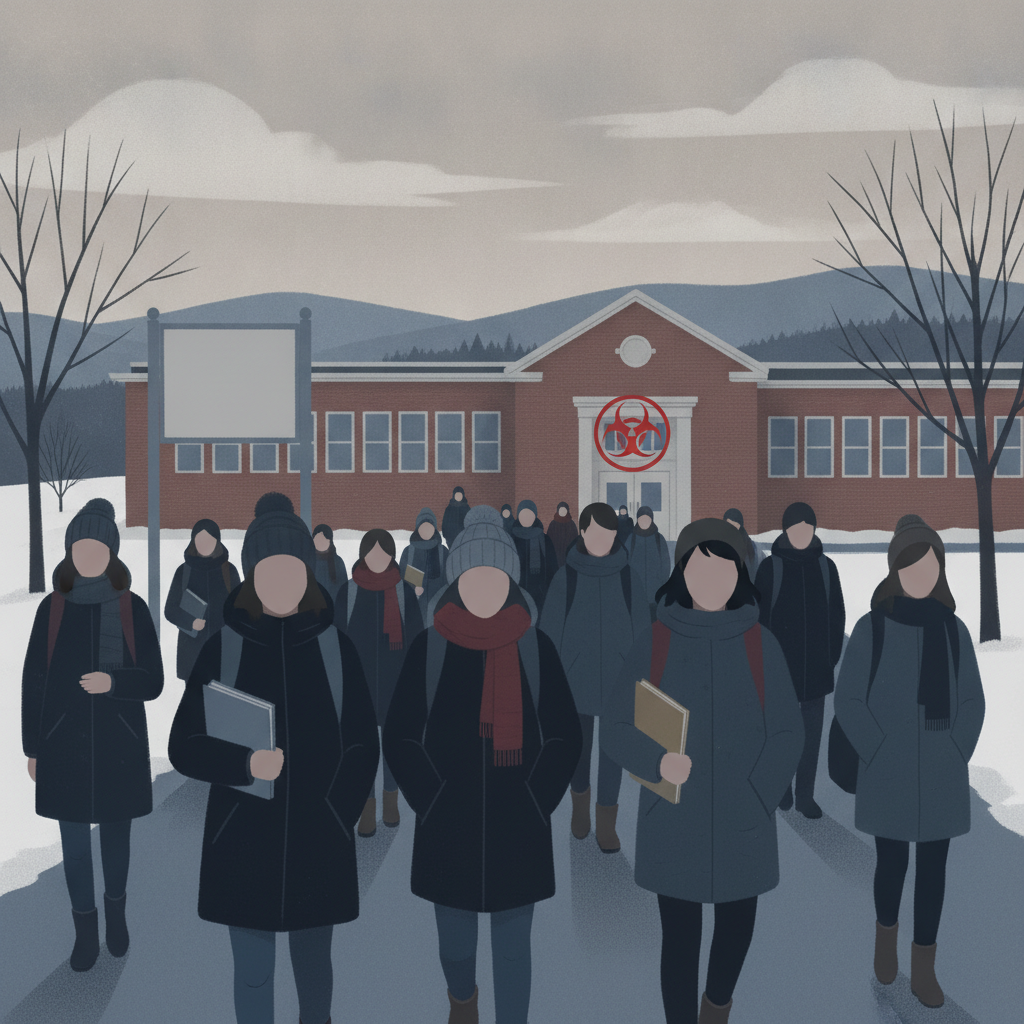
NewsWK — Health officials are currently monitoring a localized cluster of viral infections in Orleans County. Meanwhile, school Leaders Across Bennington County and Southern Vermont are reviewing their emergency readiness plans. State public health officers recently issued updated directives. These guidelines help educators and healthcare providers spot potential symptoms quickly.
What is the new Vermont measles school guidance?
The new Vermont measles school guidance gives educators, school nurses, and childcare providers concrete tools to prevent community spread. Specifically, it urges staff to identify potential symptoms early and verify student vaccination records. Furthermore, workers must report any suspected cases immediately to public health officials before laboratory testing finishes.
In addition, state health officials created a comprehensive toolkit for classrooms and learning centers. This resource offers clear communication templates for parents and outlines infection control steps. It also details isolation procedures if an exposure happens.
Therefore, school nurses across the state are double-checking student records to confirm high immunization coverage. The current cluster remains in Northern Vermont. However, health leaders emphasize that early vigilance protects every classroom in our region.
How are Vermont measles cases impacting our state?
As of November 24, 2026, health officials have confirmed 13 Vermont measles cases in Orleans County. State epidemiologists report that all known infections stem from connected households following out-of-state travel. Fortunately, the general public risk remains low across Vermont because overall community immunity stays relatively high.
The initial transmission occurred after unvaccinated individuals traveled to another U.S. state experiencing an active outbreak. Because the virus spreads easily through air droplets, public health teams moved quickly to contain the cluster.
Currently, local public health teams continue tracing contacts to prevent further spread. So far, the virus has not spread into wider community settings or school districts outside the original cluster.
What should parents know about the MMR vaccine Vermont recommendations?
The standard recommendation calls for children to receive two doses of the MMR vaccine Vermont healthcare providers administer. Currently, about 94 percent of children entering Vermont kindergarten are fully vaccinated against measles, mumps, and rubella. Health officials encourage families to keep these immunizations updated.
Medical experts note that herd immunity for measles usually requires a 95 percent vaccination rate. Vermont sits just below that threshold. Consequently, health officials strongly encourage families to ensure their vaccinations are completely up to date.
Additionally, pediatricians may recommend early vaccination for infants aged 6 to 11 months in high-exposure areas. Parents in Bennington County should consult their local pediatrician. Together, they can review their child’s routine immunization schedule.
What does the outbreak mean for Bennington area families?
However, local schools are prioritizing health record reviews. Parents should check that their children’s immunization files are current. If a child shows symptoms like high fever or a red rash, parents should call their doctor before visiting a clinic.
Moreover, local school districts routinely coordinate with state health authorities to keep classrooms safe. Here is what families in Southern Vermont should keep in mind right now:
- Check immunization records: Verify that your child has received both recommended MMR doses.
- Watch for symptoms: Common signs include a high fever, cough, runny nose, red eyes, and a characteristic rash.
- Call before visiting doctors: If you suspect measles, contact your healthcare clinic first. Then, staff can prepare proper isolation steps.
- Protect vulnerable infants: Discuss early immunization options with your doctor if traveling to areas with active cases.
How is the Vermont Department of Health measles guidance being enforced?
The Vermont Department of Health measles guidance relies on close cooperation between medical providers, school nurses, and state epidemiologists. On November 9, 2026, state officials formally alerted healthcare facilities to monitor for symptoms and stock post-exposure treatments. They also directed clinics to submit suspected case reports to state laboratories immediately.
Since then, healthcare providers have reviewed procedures for post-exposure prophylaxis. For example, using immunoglobulin can protect exposed, high-risk individuals. Early intervention can prevent severe illness if doctors administer treatment shortly after exposure occurs.
Ultimately, public health workers emphasize that quick reporting prevents local outbreaks from taking root in schools or community centers.
How can schools manage a measles outbreak Vermont communities might face?
If a local case occurs, schools will work directly with state epidemiologists to trace contacts and notify affected families. In addition, unvaccinated students exposed to the virus might need to stay home during the incubation period. This step helps keep classrooms safe.
Overall, state officials credit Vermont’s solid public health infrastructure for keeping the current situation contained. Community members may still have questions about vaccines or school policies. If so, they can contact their local school district office or primary healthcare provider for personal guidance.
This article was produced with the assistance of AI and reviewed by our editorial team.
Related: Vermont Measles Cases Prompt Local Health Alerts as US Loses Elimination Status
Related: Measles Cases Spike to 35-Year High Amid Declining Vaccination Rates in Vermont and Nearby States