Bennington
First Responder Mental Health Southern Vermont Looks to Emerging Support and Treatments
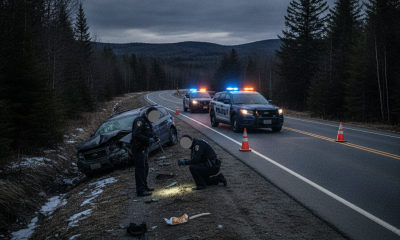
More states this year have looked beyond traditional counseling and medication to help first responders cope with post-traumatic stress. Firefighters, police officers and emergency medical workers routinely witness fatal crashes, violent crimes and other traumatic events that can leave lasting…

Last updated:
Key points
- New laws aim to enhance mental health support for first responders.
- Ohio and Maryland have enacted measures to assist first responders.
- Southern Vermont communities could benefit from these new mental health therapies.
NewsWK — Recent legislative changes in various states are paving the way for enhanced mental health support for first responders, a topic that resonates strongly with communities in Southern Vermont, including Bennington, Manchester, and Pownal. These changes aim to address the psychological impact of traumatic events often witnessed by firefighters, police officers, and emergency medical workers.
Legislative Actions for First Responder Mental Health Support
This year, several states have adopted innovative measures beyond traditional counseling and medications. For example, Ohio has enacted a law to establish a Post-Traumatic Stress Injury Commission, which will assist first responders with treatment costs. Similarly, Maryland has implemented a law protecting first responders from discrimination regarding the off-duty use of medical marijuana, effective in October.
Exploring New Therapies and Care Models
Innovations in PTSD Treatment First Responders Can Access
In Connecticut, a new law has expanded a pilot program at Yale University that studies psilocybin-assisted therapy, now open to any state resident over 18 who meets specific clinical criteria. Meanwhile, Missouri is advancing legislation to allow veterans and first responders in research studies to receive psychedelics like psilocybin and ibogaine for PTSD treatment, although the bill did not reach the governor before the legislative session ended.
Southern Vermont Mental Health Support and Local Implications
For residents in Bennington County and surrounding areas, these developments signify a growing recognition of the mental health challenges faced by local emergency responders. As communities rally to support those who serve, local institutions, such as the Southwestern Vermont Medical Center, may play a crucial role in implementing these new therapies and support systems. This progressive approach could lead to better mental health outcomes for first responders in our region, fostering a healthier, more resilient community overall.
This article was produced with the assistance of AI and reviewed by our editorial team.
Based on reporting originally published by Stateline. Read the original story.
Related: Bennington Battle Day Marked as Historic Monument Awaits Repairs
Related: Bennington 250 Announces ‘250 for 250’ Year-End Gala to Support Anniversary Celebrations
Related: Warm, Cloudier Pattern Sets In for Bennington County Before Weekend Drizzle and Cooler Air
Related: Smithsonian Partners With Bennington Groups for Cultural Initiative
Related: Damp Late-August Stretch Brings Rain, Drizzle, and Cooler Temperatures to Bennington County
Related: Border County Tax Pressures Mount as New York Shifts SNAP Costs
Related: Peak Foliage Meets Southern Vermont First Frost with Incoming Cold Front
See a typo? Report it here.