Bennington
Neanderthal Gene Schizophrenia Risk Link Discovered in New Study
Neandertal gene variant in modern human genomes tied to lower schizophrenia risk, study finds Neanderthal genes linked to lower risk of schizophrenia in modern humans Neanderthal DNA linked to lower risk of schizophrenia in modern humans A Gene Inherited From…


Last updated:
Key points
- A specific Neanderthal genetic deletion on chromosome 14 lowers schizophrenia risk by 5% to 10%.
- Roughly 20 percent of people with European ancestry carry at least one copy of the variant.
- The genetic variant slightly reduces visual cortex volume without altering general cognitive ability.
How does Neanderthal DNA lower schizophrenia risk in local populations?
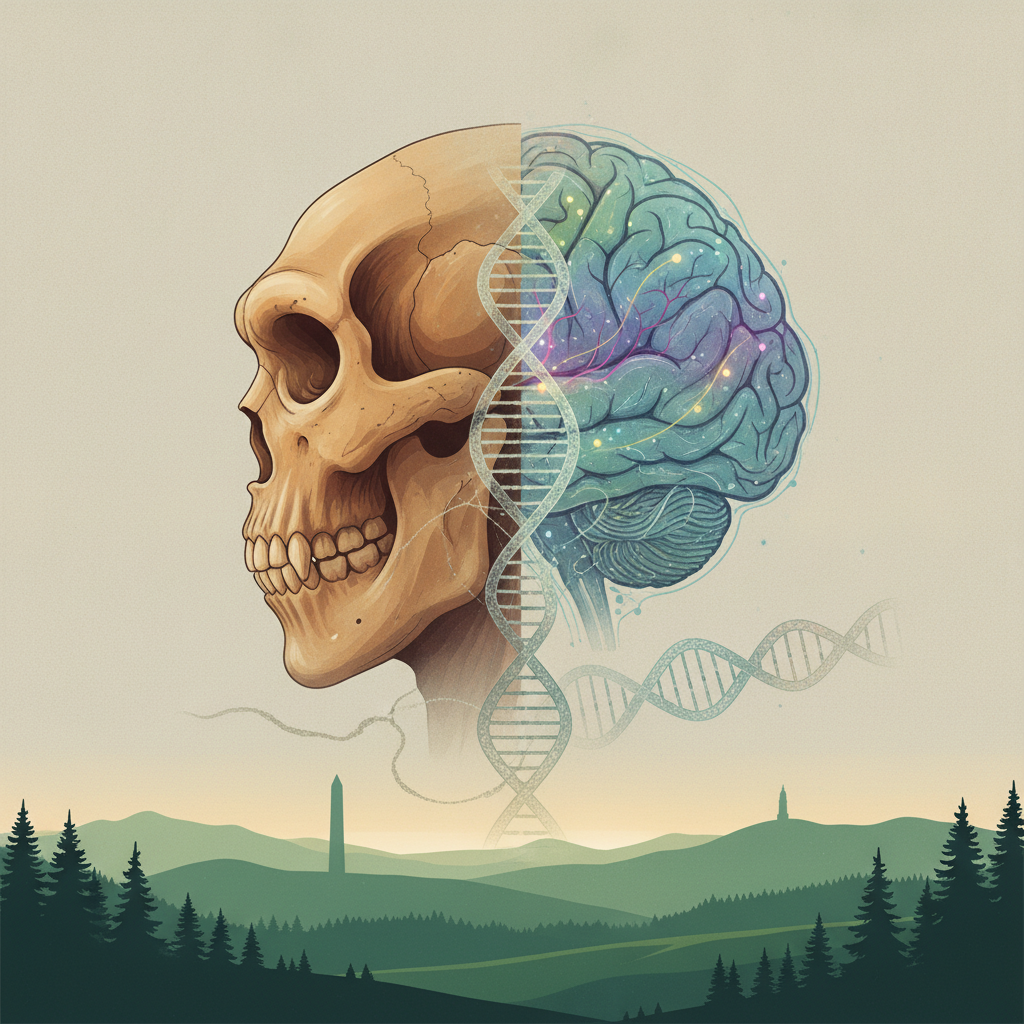
About 20 percent of living people of European descent carry a specific ancient genetic sequence. Evolutionary geneticists Hugo Zeberg and Svante Pääbo led the research effort. They discovered that carrying one copy cuts schizophrenia risk by about five percent. Meanwhile, individuals inheriting two copies experience an almost 10 percent risk reduction.
- The variant reduces occipital lobe volume by 0.85 cubic centimeters per copy.
- Carriers show virtually no difference in general cognitive ability or school attainment.
- However, overall Neanderthal ancestry across the genome does not lower psychiatric risk by itself.
What did the Neanderthal DNA schizophrenia study reveal about human genetics?
Published on November 16, 2026, in the Proceedings of the National Academy of Sciences, the research examined ancient code. Modern humans outside of sub-Saharan Africa retain about one to four percent Neanderthal DNA from interbreeding roughly 40,000 years ago. However, a four-nucleotide deletion on chromosome 14 stands out for its direct anatomical impact.
How does the Neanderthal gene variant DAAM1 guide brain development?
The genetic deletion sits upstream of the DAAM1 protein-coding gene. This specific gene actively directs central nervous system growth. Therefore, researchers linked this Neanderthal genetic variant brain development signal to altered gene expression in the visual cortex. Also, geneticists identified this identical sequence in all five available complete Neanderthal genomes.
This article was produced with the assistance of AI and reviewed by our editorial team.
Sources
Related: Bennington Health Focus: Long Sleep Duration Heart Disease Risk
Related: Wildfire Smoke Poses Growing Risk for Pregnant Women, Study Shows
Related: FDA Cell and Gene Therapy Guidance Issued for Advanced Treatments