
Bennington
Challenges and Outlook for Miscarriage Care in Bennington County
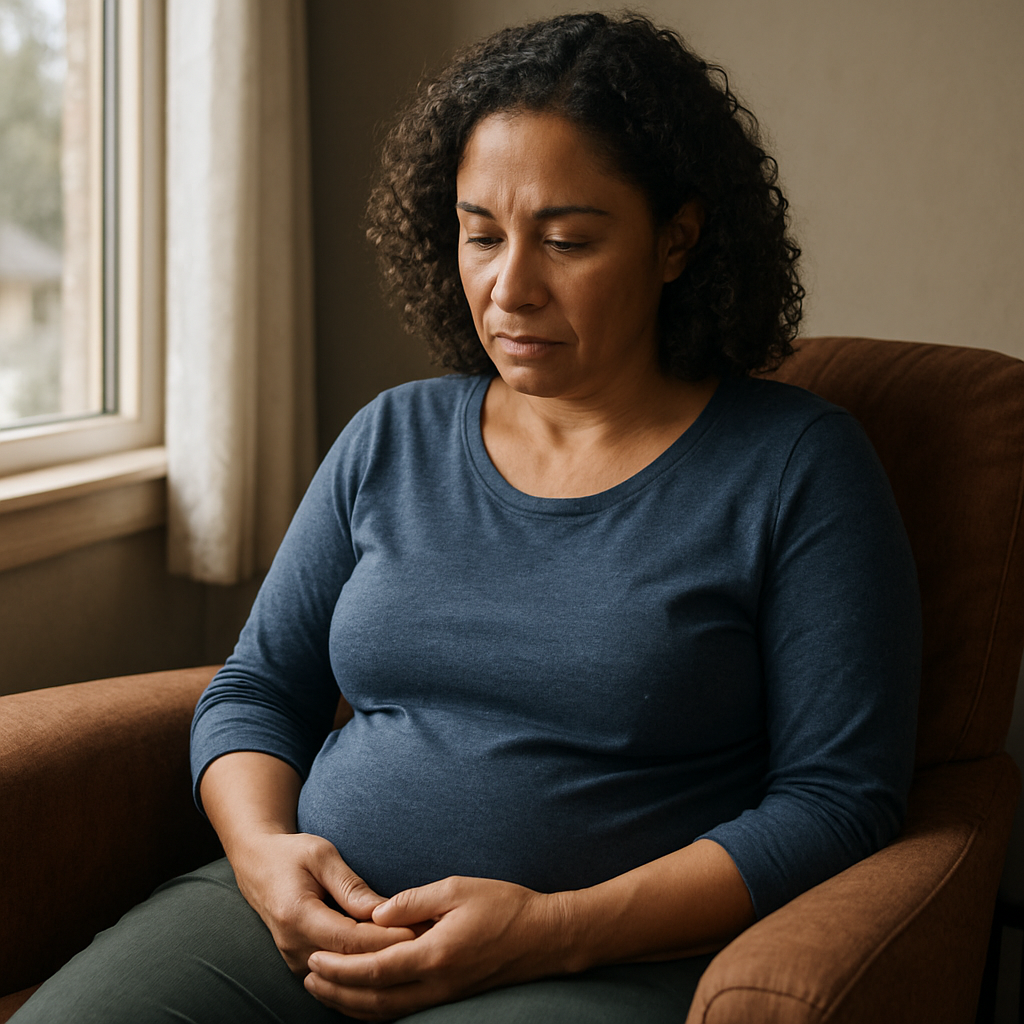
Mylissa McNeill never expected to be a mother. But when she learned she was pregnant in the spring of 2022, at age 41, she and her partner were happy and excited at the prospect of parenting a little girl they planned…

Last updated:
Key points
- Ongoing challenges in miscarriage care may affect local residents.
- Health care providers in Bennington County face uncertainties due to state abortion laws.
- Advocacy for clearer policies can help improve care for women experiencing pregnancy loss.
NewsWK — Residents of Bennington County may find the ongoing challenges in miscarriage management across the country particularly concerning, as these issues reflect broader health care dilemmas impacting women. As states grapple with abortion bans and their implications, local health care providers may also be navigating similar complexities, affecting timely medical care for residents experiencing pregnancy loss.
Miscarriage Management Vermont and National Landscape
Recent reports indicate that four years after the U.S. Supreme Court’s Dobbs decision, which overturned Roe v. Wade, many women are still facing delays and confusion in obtaining miscarriage management care. This situation has led to serious health complications for some, including infections and prolonged suffering.
For instance, a woman named Mylissa McNeill shared her story of being denied prompt care after a miscarriage. She experienced a significant health crisis due to delays in treatment, which she attributes to hospitals’ reluctance to provide necessary care under the fear of running afoul of state abortion laws. Such stories are becoming increasingly common across the nation, highlighting a critical gap in women’s health care that may resonate with local residents who are concerned about the quality of care in Bennington.
Southwestern Vermont Medical Center Health Care Considerations
As local health institutions, such as Southwestern Vermont Medical Center (SVMC), address these complex issues, there is a growing need for clarity in policies surrounding pregnancy loss and miscarriage management. The legal landscape can hinder timely medical intervention, creating uncertainty for both patients and providers.
Ensuring Pregnancy Loss Care Bennington VT Residents Need
Local officials and health care providers may need to engage in discussions about how to best serve women experiencing pregnancy complications while navigating the legal restrictions imposed by state laws. This is especially significant for local OB-GYNs and hospitals that may be affected by similar concerns over legal repercussions.
Looking Forward
As the community continues to address these health care challenges, residents may want to advocate for clearer policies that ensure timely and appropriate care for miscarriage management. Understanding the implications of current laws and supporting local health initiatives could play a vital role in improving care for women in Bennington County.
This article was produced with the assistance of AI and reviewed by our editorial team.
Based on reporting originally published by Stateline. Read the original story.
Related: Bennington 250 Announces ‘250 for 250’ Year-End Gala to Support Anniversary Celebrations
Related: Warm, Cloudier Pattern Sets In for Bennington County Before Weekend Drizzle and Cooler Air
Related: Damp Late-August Stretch Brings Rain, Drizzle, and Cooler Temperatures to Bennington County
Related: Bennington Battle Day Marked as Historic Monument Awaits Repairs
Related: Border County Tax Pressures Mount as New York Shifts SNAP Costs
Related: Smithsonian Partners With Bennington Groups for Cultural Initiative
Related: Women on Parole Mental Health and Housing Needs Detailed in Study
Related: How Rural C-Section Opioid Prescriptions Impact Postpartum Care
See a typo? Report it here.