Bennington
Federal Offshore Wind Policy Southern Vermont Communities Are Watching Amid East Coast Delays
President Donald Trump has shown the immense power of the executive branch to stymie offshore wind development, as nearly all projects are in waters where federal agencies operate as the landlord. Now, as the feds block new permits and dangle…

Last updated:
Key points
- Federal buyout offers are stalling offshore wind projects, impacting East Coast states.
- Local leaders in Southern Vermont are concerned about the implications for clean energy goals.
- State lawsuits may challenge the federal government’s authority in offshore wind development.
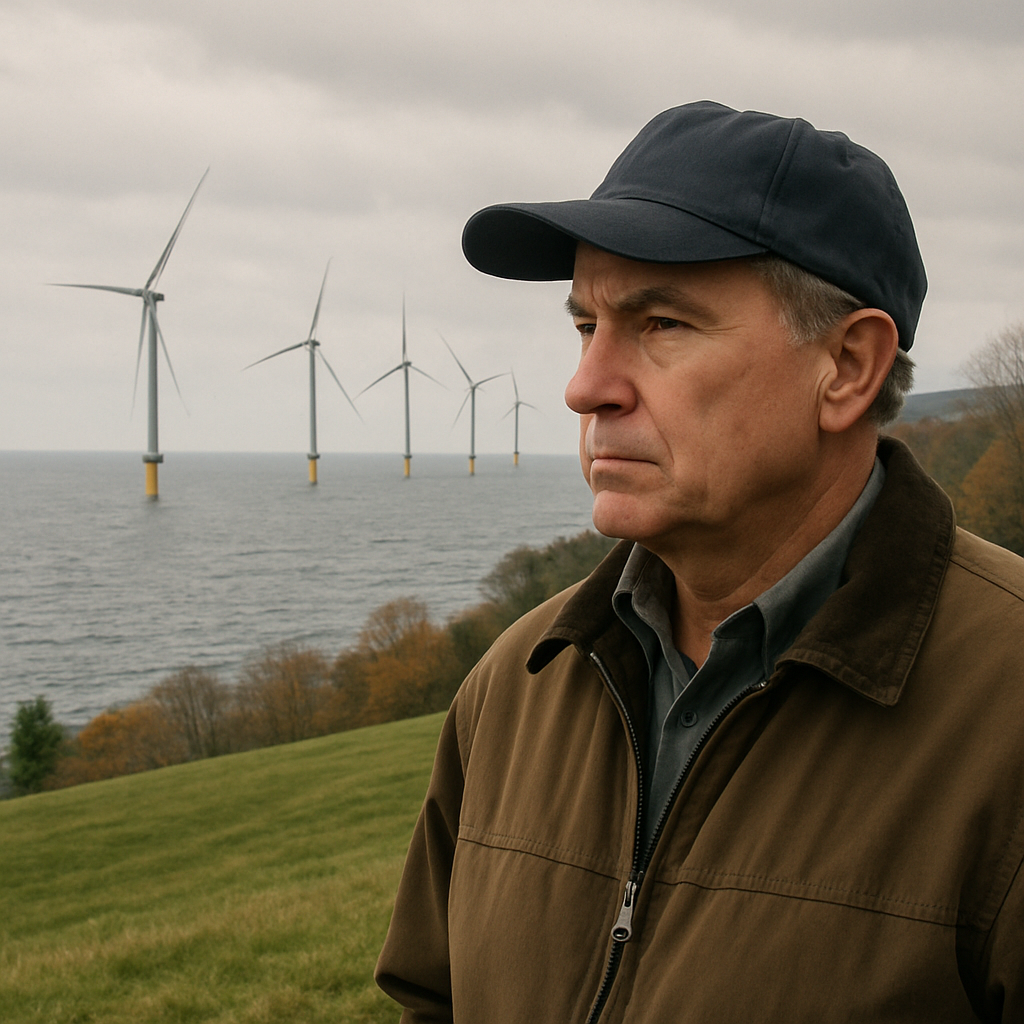
NewsWK — Recent developments in offshore wind energy policy at the federal level are raising concerns among state leaders in New York and other East Coast regions, with potential repercussions felt as far as Southern Vermont. With the Trump administration halting new permits and offering buyouts to developers, local communities are left hoping for a revival of the offshore wind sector once federal leadership changes.
Offshore Wind Project Delays East Coast States Face Under New Policies
The Trump administration has recently taken significant steps to restrict offshore wind projects, which are crucial for meeting energy demands and climate goals. This includes blocking new permits and offering financial incentives for developers to abandon their projects, including a $129 million deal with Duke Energy to relinquish a lease off North Carolina‘s coast.
As a result of these federal actions, many developers are reconsidering their investments in offshore wind, prompting concerns from state officials. New York state Senator Andrew Gounardes stated, “If there’s no business opportunity here, then they’re not going to stay here and invest here,” emphasizing the need for a thriving offshore wind sector.
State Leaders’ Reactions and Legal Actions
In response to the federal buyout offers, seven states, including New York and California, have filed lawsuits claiming that the administration lacks the authority to cancel leases and pay developers to walk away from their projects. The states argue that these actions undermine their efforts to establish a robust offshore wind industry.
Implications for Southern Vermont Clean Energy Goals
Bennington Vermont Clean Energy and Regional Grid Needs
For residents of Bennington and surrounding communities, the implications of these developments could be significant. The offshore wind sector is seen as a key component in transitioning to clean energy and meeting rising energy demands, especially as local populations grow and the need for sustainable energy sources increases. Local institutions, such as the Southwestern Vermont Medical Center and various educational facilities, could benefit from more stable and renewable energy sources that offshore wind provides.
Furthermore, as states like New York push for offshore wind development, local officials in Vermont may need to advocate for similar initiatives to ensure that the region remains competitive in attracting energy investments.
Future Outlook
Despite the current setbacks, many state leaders remain hopeful that offshore wind will still play a vital role in future energy solutions. While they acknowledge that the delays may hinder immediate project timelines, the potential for offshore wind to contribute to clean energy goals remains strong. As stated by Senator Gounardes, “It certainly must be part of the alchemy to meet our overall goals.” The ongoing dialogue about energy strategies will be crucial for local communities as they navigate these changes.
This article was produced with the assistance of AI and reviewed by our editorial team.
Based on reporting by Alex Brown originally published by Stateline. Read the original story.
Related: Bennington Battle Day Marked as Historic Monument Awaits Repairs
Related: Bennington 250 Announces ‘250 for 250’ Year-End Gala to Support Anniversary Celebrations
Related: Border County Tax Pressures Mount as New York Shifts SNAP Costs
Related: Smithsonian Partners With Bennington Groups for Cultural Initiative
Related: Multistate Lawsuit Challenges Federal Immigration Rules on Public Safety Grants
Related: How Regional Jail Policies Shape ICE Arrest Rates in the Northeast
Related: Vermont Joins Multi-State Coalition in Vermont Offshore Wind Lawsuit
Related: Vermont AGs Join Nationwide Lawsuit Against Wind Project Freeze
See a typo? Report it here.