Bennington
New World Screwworm Bennington County: Livestock Risks and Economic Concerns
The New World screwworm has arrived in the United States. For years, ranchers across Southern states have prepared for a potential invasion of the flesh-eating parasite that can wreak havoc on livestock, pets and even humans. Though the United States…

Last updated:
Key points
- New World screwworm poses a threat to local livestock in Bennington County.
- Economic implications include potential increases in grocery prices.
- Local farmers and ranchers must stay vigilant and informed about this parasite.
NewsWK — The arrival of the New World screwworm in the United States poses a significant threat to livestock in Bennington County and could have far-reaching economic implications. This invasive parasite, known for its flesh-eating larvae, has recently been identified in states such as New Mexico and Texas, raising concerns among local farmers and ranchers about its potential spread.
Understanding the New World Screwworm Livestock Threat
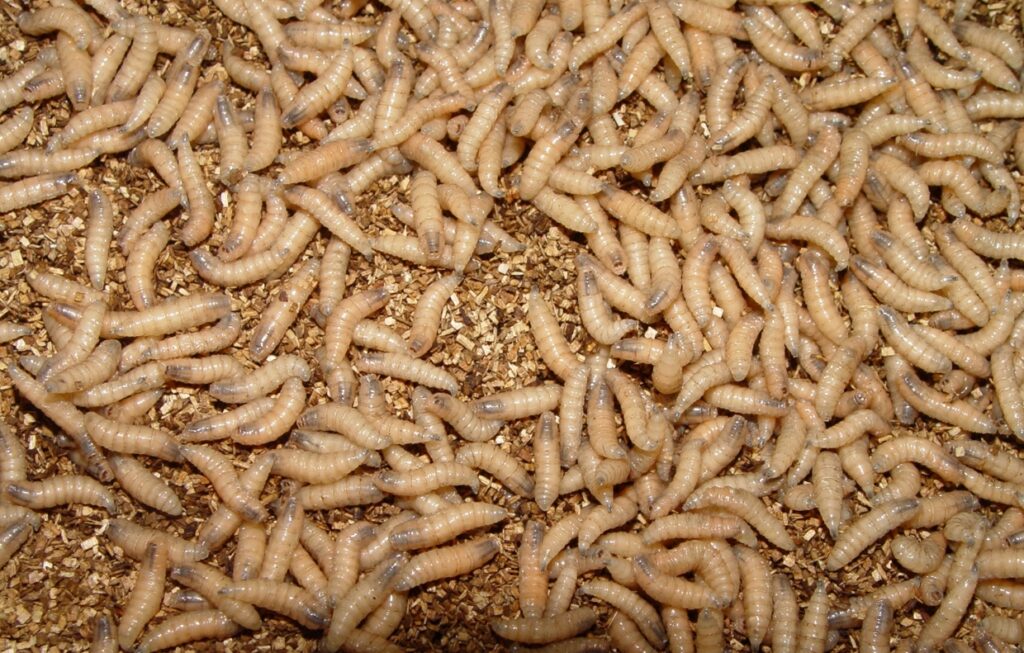
New World screwworm larvae hatch from eggs within 24 hours and burrow into the wounds of infested animals, feeding on living tissue. The adult form of this parasite is a fly that resembles a common housefly, with distinctive features like orange eyes and a metallic body. Livestock, pets, and even wildlife are at risk as these larvae can enter through tiny wounds or body openings.
Local ranchers must be vigilant, especially during calving season when newborns are vulnerable. Signs of infestation include foul-smelling wounds, visible maggots, and unusual behavior in animals, such as restlessness or lethargy. Belinda Garland, Executive Director of the New Mexico Livestock Board, emphasized the importance of monitoring both livestock and local wildlife for signs of distress.
Economic Fallout for Bennington County Agriculture
The economic implications of a screwworm outbreak could be severe for Bennington County. With beef prices already near record highs, the introduction of this parasite could exacerbate costs for consumers. The U.S. Department of Agriculture has already banned live cattle imports from Mexico in an effort to combat the threat, which could further strain local meat supplies.
Screwworm Impact on Cattle and Consumer Prices
A potential reduction in livestock health may also lead to increased prices at local grocery stores. Dairy farmers may face additional challenges, as they might need to discard milk during outbreaks if cattle cannot be milked safely.
Preventive Measures in Place
To mitigate the risks, the USDA has implemented monitoring and quarantine protocols. Emergency medications, including ivermectin, have been approved for use in animals to treat and prevent infestations. Additionally, the USDA is investing in facilities to breed sterile male flies, which are released to reduce the overall population of screwworms.
As local farmers and ranchers stay informed about this emerging threat, it is essential for everyone in the community to remain alert. While there is no immediate cause for panic, awareness is key to protecting livestock and ensuring the safety of our food supply.
What’s Next?
Local officials, including those in agricultural sectors, will need to keep a close eye on developments surrounding the New World screwworm. Collaboration with state and federal agencies will be crucial to safeguard Bennington County’s livestock and mitigate economic impacts.
This article was produced with the assistance of AI and reviewed by our editorial team.
Based on reporting originally published by Stateline. Read the original story.
Related: Warm, Cloudier Pattern Sets In for Bennington County Before Weekend Drizzle and Cooler Air
Related: Bennington 250 Announces ‘250 for 250’ Year-End Gala to Support Anniversary Celebrations
Related: Bennington Battle Day Marked as Historic Monument Awaits Repairs
Related: Damp Late-August Stretch Brings Rain, Drizzle, and Cooler Temperatures to Bennington County
Related: Border County Tax Pressures Mount as New York Shifts SNAP Costs
Related: Smithsonian Partners With Bennington Groups for Cultural Initiative
See a typo? Report it here.