Health News
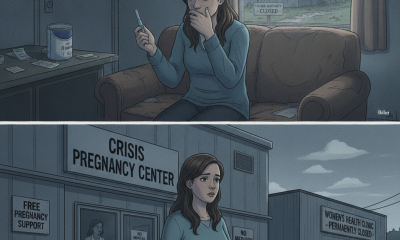
How a Crisis Pregnancy Center Ectopic Pregnancy Case Sparked Demands for Action
A Wisconsin woman is asking the state attorney general’s office to investigate anti-abortion crisis pregnancy centers after she says one of them failed to diagnose an ectopic pregnancy that caused her to need emergency surgery and resulted in the loss…


Last updated:
Key points
- A Wisconsin legal complaint alleges a crisis pregnancy center misidentified an ectopic pregnancy as a healthy uterine pregnancy.
- The patient required emergency surgery to remove both fallopian tubes after staff scanned her intestines instead of her uterus.
- Advocates and medical professionals are pushing for stricter state and federal regulations for unaccredited pregnancy facilities.
NewsWK — Unexpected symptoms often arise during early pregnancy. Quick access to accurate medical imaging can save lives. However, a recent misdiagnosed crisis pregnancy center ectopic pregnancy case highlighted serious safety concerns. Patients seeking prompt care face real risks. Therefore, consumers in every community must understand the limits of non-diagnostic ultrasound services.
Long wait lists at local medical offices often lead women to explore alternative options. They want rapid confirmation of their pregnancy. However, national legal advocates caution that unaccredited facility visits carry severe health risks. Critical medical conditions can easily go unnoticed.
What led to the Wisconsin crisis pregnancy center investigation call?
Legal advocates filed a formal complaint after an unaccredited facility failed to identify a dangerous ectopic pregnancy. The 32-year-old patient suffered severe medical consequences. Consequently, the organization asked state officials to inspect deceptive practices and unlicensed medical activity. The misdiagnosis led to delayed emergency treatment and permanent fertility loss.
The patient, Codyone Cameron of Milwaukee, sought an early appointment in August. She was experiencing severe abdominal pain at the time. Because she had a previous ectopic pregnancy, she recognized the potential danger. Ectopic pregnancies occur when a fertilized egg implants outside the uterus. Typically, it grows inside a fallopian tube. The condition is never viable. Furthermore, it can quickly become life-threatening without treatment.
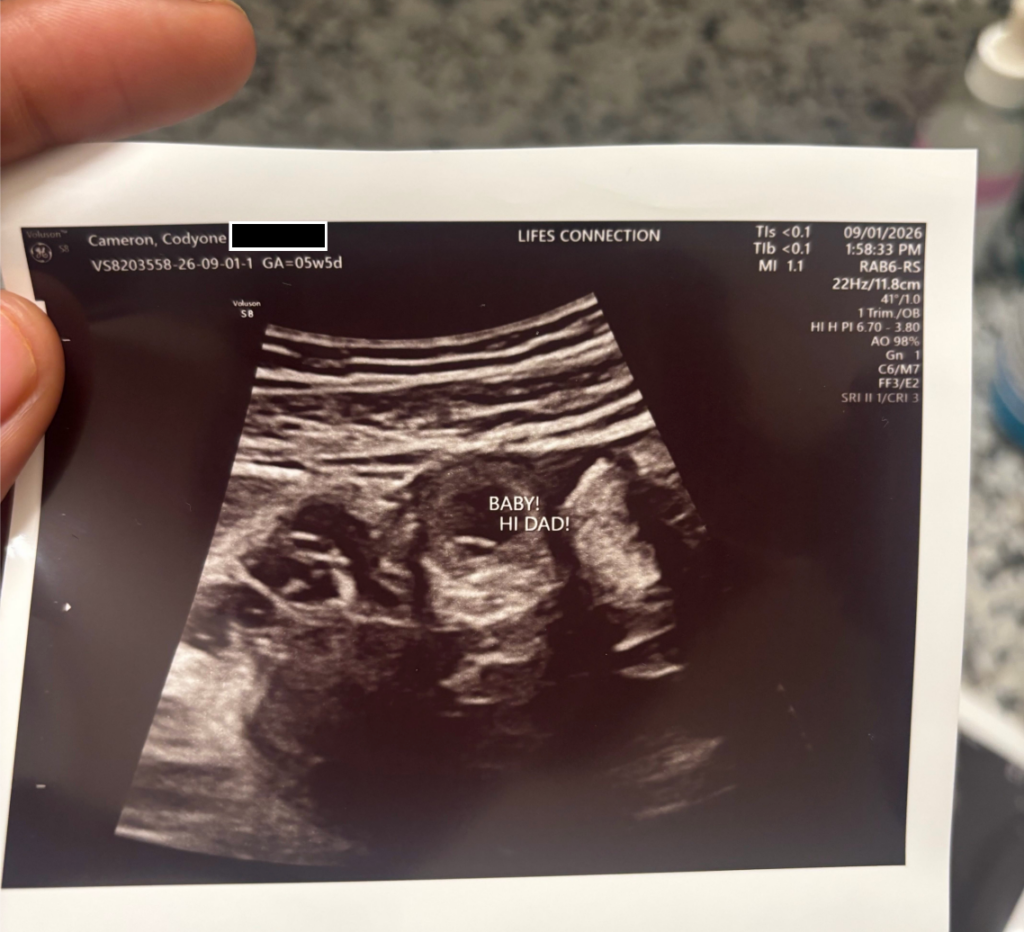
Initially, Cameron could not secure an immediate appointment with an OB-GYN. Instead, she turned to Life’s Connection Milwaukee. There, a worker dressed in medical scrubs performed an ultrasound. The worker assured Cameron that her baby was growing safely inside her uterus. Moreover, the staff member identified an apparent yolk sac and assigned an estimated due date.
Reassured by those statements, Cameron waited over a week. Meanwhile, her abdominal pain grew steadily worse. Eventually, she visited a comprehensive reproductive health clinic named Care for All. Center for Reproductive Rights senior staff attorney Alice Wang recounted the visit. According to Wang, the physician told Cameron, “I’m so sorry, these are not photos of your uterus.” In fact, the scan had captured Cameron’s intestines rather than her womb. The worker had misidentified intestinal stool as a developing fetus.
Consequently, the doctor immediately redirected Cameron to a hospital emergency room. Surgeons performed immediate emergency surgery to remove both of her fallopian tubes. Because of the ectopic pregnancy’s advanced stage, doctors could not save her tubes. As a result, Cameron can no longer conceive naturally. She would now need costly in vitro fertilization treatments.
Following the ordeal, the Center for Reproductive Rights sent a detailed petition to Wisconsin Attorney General Josh Kaul. Specifically, the letter requested a formal Wisconsin crisis pregnancy center investigation to review facility operations. Representatives for the attorney general noted that the office generally does not confirm open investigations.
How does crisis pregnancy center regulation affect patients in local communities?
Clear rules and accurate labeling protect patients who need urgent clinical care during early pregnancy. When non-medical facilities offer free services without qualified oversight, patients may delay necessary treatment. Therefore, establishing transparent standards helps families across local towns navigate reproductive healthcare safely and avoid misdiagnoses.
Healthcare providers note that long waiting periods for clinical appointments remain a widespread problem. In many regions, pregnant patients wait weeks or even months for an initial OB-GYN exam. Understandably, free clinics draw people in because they offer fast, cost-free appointments. However, these facilities operate in a regulatory gray area. As a result, staff members may lack proper radiological training.
Medical experts emphasize several key safety points regarding early pregnancy imaging:
- Diagnostic ultrasounds require trained clinical professionals to verify intrauterine placement correctly.
- Ectopic pregnancies require immediate medical intervention to prevent severe internal bleeding.
- Limited or non-diagnostic scans cannot replace comprehensive evaluation by licensed OB-GYN providers.
- Patients experiencing sharp pelvic pain or unexpected bleeding should seek emergency medical care immediately.
Additionally, reporting from Stateline revealed that similar errors have occurred in other states, including Texas and Massachusetts. In those instances, patients also experienced ruptured fallopian tubes after receiving incorrect assurances from crisis facilities.
How are federal and state policies shaping facility oversight?
Government funding and official directory listings have brought increased public scrutiny to non-medical pregnancy centers. While some federal websites list these centers alongside certified health centers, state lawmakers are proposing stricter operational guidelines. Public health advocates argue that public resources must prioritize licensed medical facilities.
Earlier this year, the U.S. Department of Health and Human Services launched a public resource website called moms.gov. The platform directs expectant mothers to local health resources. However, it also includes listings for unaccredited facilities like Life’s Connection. Meanwhile, investigations show that dozens of states directed over $491 million to crisis facilities between 2022 and 2025.
Why is crisis pregnancy center regulation becoming a national legislative focus? Crisis Pregnancy Center Ectopic Pregnancy
Lawmakers and healthcare advocates are seeking crisis pregnancy center regulation to ensure patient safety and truth in advertising. Proposed state bills aim to set strict standards for medical claims, staff training, and facility transparency. Proponents argue these rules protect vulnerable patients from deceptive health claims.
In Wisconsin, lawmakers approved $69,100 in state grant funds for pregnancy counseling programs in recent budget legislation. However, medical leaders and state representatives plan to introduce new legislative measures this winter. Specifically, they aim to enforce strict operational standards. They also want to mandate full disclosure regarding staff qualifications.
When contacted regarding the legal complaint, representatives for Life’s Connection declined to comment on the allegations. Meanwhile, medical experts encourage patients to confirm that ultrasound operators possess valid clinical credentials. Ultimately, patients seeking early pregnancy evaluations should always ask whether a facility provides full diagnostic care.
This article was produced with the assistance of AI and reviewed by our editorial team.
Sources
Related: Crisis Pregnancy Centers Face Scrutiny Over Care and Oversight
Related: Crisis Pregnancy Centers in Vermont Face Oversight Challenges
Related: California Reproductive Privacy Act Lawsuit Filed After Stillbirth Probe