
Bennington
Food Bank Demand Rising Across Region Ahead of Thanksgiving
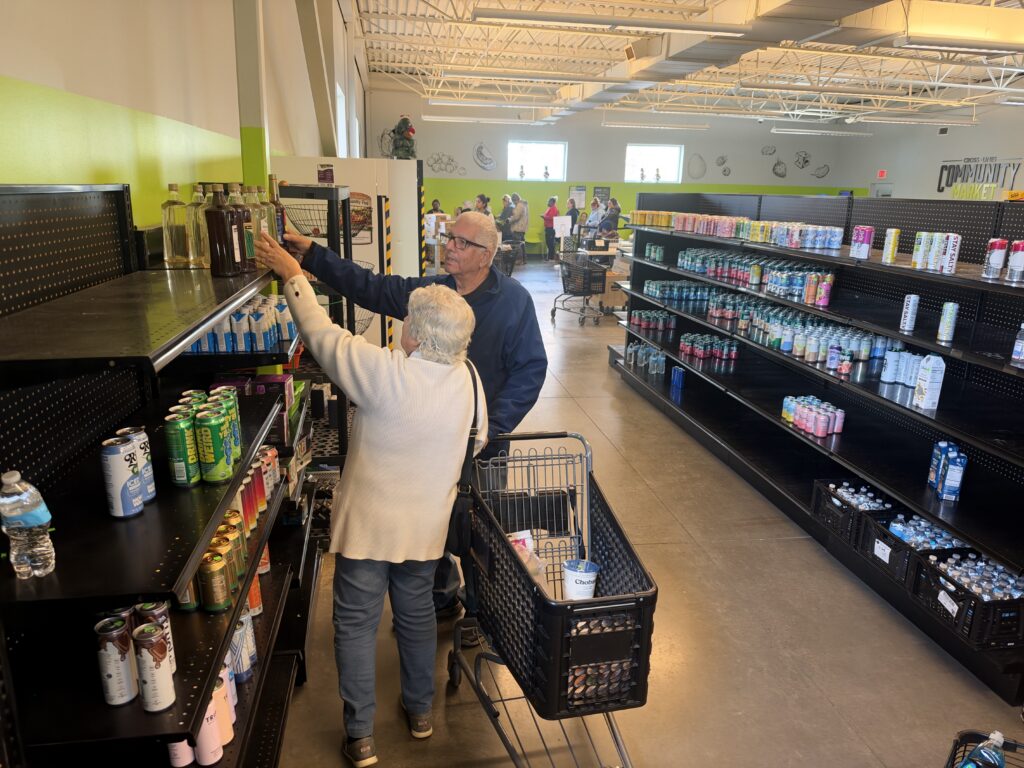
KANSAS CITY, Kan. — It doesn’t take long for the line to pile up at Cross-Lines Community Outreach as more people flock to the nonprofit food pantry to help stock their cupboards. As the queue grew at the check-in counter…


Last updated:
Key points
- Food banks and pantries face record demand heading into Thanksgiving due to persistent grocery inflation and living costs.
- Federal statutory shifts cut SNAP benefits for 5.5 million Americans while emergency food bank funding was cut by $500 million.
- Charitable organizations rely on community donations and lower-cost food substitutes to manage surging numbers of families in need.
Kansas CITY, Kan. NewsWK — As Thanksgiving approaches, Families Across Bennington County and Southern Vermont face growing pressure at the grocery store. High living expenses and shifting federal policies push many households to seek emergency aid.
Why is food bank demand rising in our region?
Food bank demand is rising due to persistent grocery inflation, high housing expenses, and substantial federal assistance cuts. As a result, working families, retirees, and low-income residents increasingly rely on community pantries. They need this extra help during the holiday season.
Across the nation and in nearby communities, household budgets stretch thin. For example, essential groceries remain significantly more expensive than they were two years ago. At the same time, utility bills and fuel costs continue to climb.
Meanwhile, federal support networks have shrunk considerably. Recent federal policy changes removed millions of recipients from benefit rolls. Because of these cuts, local food pantries must absorb the shortfall.
What do rising food insecurity costs mean for regional families?
Rising expenses force local residents to make difficult daily trade-offs between essential needs. Families often choose between paying rent, buying medicine, filling fuel tanks, or buying groceries. Consequently, even employed individuals with steady paychecks now turn to charitable food networks.
Seniors living on fixed incomes feel this pressure acutely. For instance, Social Security cost-of-living increases fail to keep pace with property tax hikes. As a result, many retirees find their monthly savings exhausted quickly.
Working households face similar financial hurdles. High housing costs consume a massive share of monthly wages. Therefore, very little cash remains for weekly meals.
“Daily, we have to turn people away,” noted Susila Jones, executive director of Cross-Lines Community Outreach. She explained that one unexpected bill can push a working family into financial distress.
How do SNAP benefit cuts impact local assistance efforts?
Reductions to federal nutrition benefits directly increase the workload for community food programs. Since July 2025, federal law changes removed approximately 5.5 million Americans from benefit rolls. Therefore, local charitable pantries must supply millions of additional meals without matching federal funding.
The loss of aid follows tighter eligibility rules and new work requirements. In addition, federal officials proposed further policy changes. These new rules could eliminate aid for 6.3 million more people.
Meanwhile, federal agencies reduced funding for direct food purchases. The U.S. Department of Agriculture cut $500 million from emergency food assistance programs nationwide. Consequently, regional distribution centers spend their own reserves to buy food items directly.
How are food pantries adjusting Thanksgiving operations to high demand?
Charitable programs are altering their holiday operations to handle record client turnouts. At the same time, they must manage higher purchasing costs. Therefore, organizations swap expensive items for affordable alternatives, limit distribution totals, and rely heavily on community donations.
Holiday food drives across the country illustrate this unprecedented surge. For example, soup kitchens in major cities reported lines stretching over a mile during holiday giveaways. In many cases, organizations exhausted hundreds of meal kits within hours of opening.
“I imagine that whatever number we set, we will probably hit every time because there is a huge demand,” said Brother Fred Cabras. He serves as the social services director at Capuchin Soup Kitchen.
To stretch budgets, pantries make strategic menu changes. Many organizations now purchase ground turkey or chicken instead of beef. However, high diesel and freight prices also increase distribution costs.
What comes next for food assistance demand in our area?
Community food providers expect high visitor numbers to continue through the winter months. Cold weather naturally elevates home heating expenses for struggling households. While charitable groups expand local fundraising drives, anti-hunger advocates press federal lawmakers to restore nutrition funding.
Here are key factors shaping the current situation:
- SNAP Benefit Reductions: Federal law changes cut benefits for 5.5 million people. New proposals also target 6.3 million more residents.
- Direct Supply Cuts: Federal agencies reduced emergency food support by $500 million nationwide.
- Increased Pantry Visits: Regional aid centers report serving up to four times more families compared to last year.
- Surging Operational Costs: Rising fuel prices and grocery inflation have driven up pantry purchasing costs significantly.
Local pantries depend heavily on financial support and food drives. Neighbors, local churches, and area businesses provide this vital backing. However, community leaders emphasize that private donations alone cannot replace systemic federal aid.
Still, advocates remain hopeful that growing public awareness will spark policy changes. Bipartisan discussions in Congress may eventually address these funding shortfalls. Until then, area residents can support local food pantries. They can help through direct monetary gifts, non-perishable food donations, or volunteer work.
This article was produced with the assistance of AI and reviewed by our editorial team.
Sources
Related: Bennington Food Pantries Brace for Increased Demand Amid Federal Cuts and Rising Prices
Related: Vermont Thanksgiving Turkey Donations Fall Short as Need Rises


