Bennington
CDC Measles Update 2026: U.S. Loses Elimination Status
About Measles


Last updated:
Key points
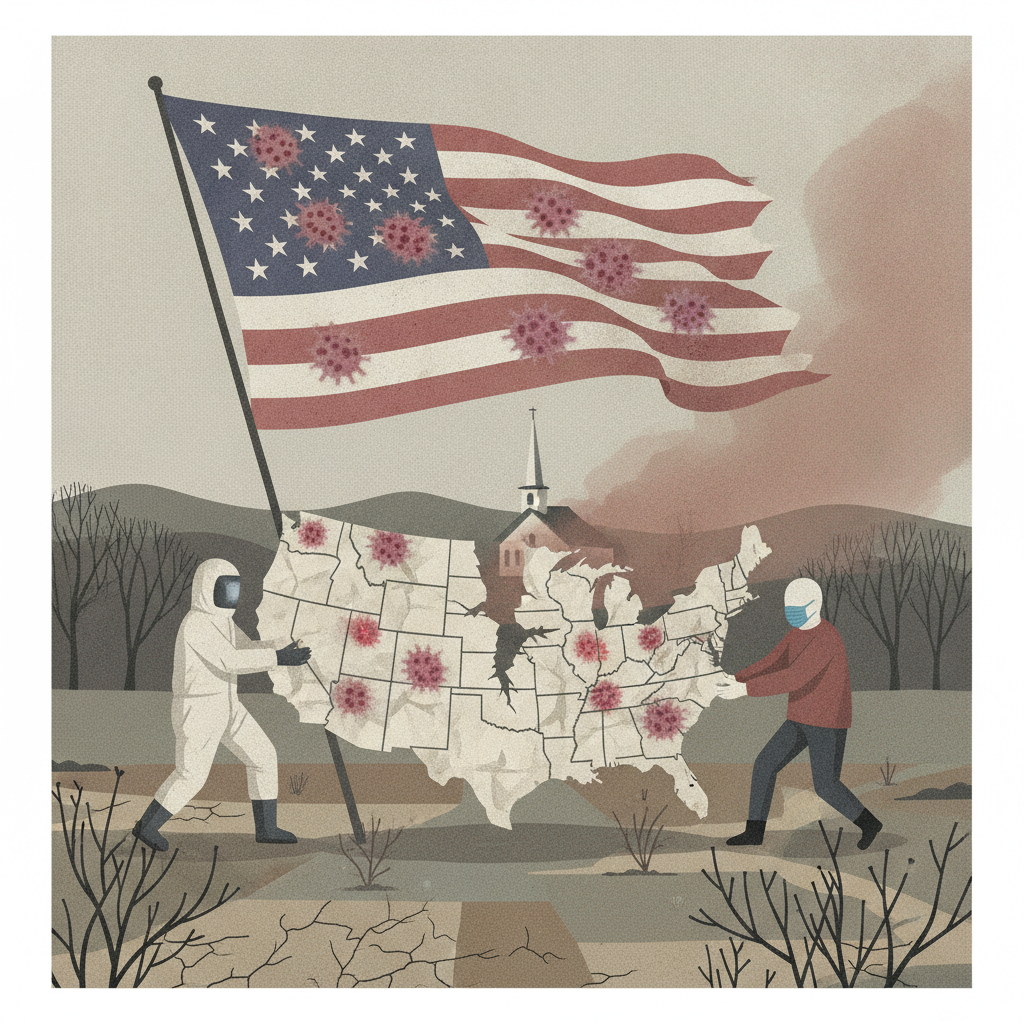
- The U.S. officially lost its measles elimination status in November 2026 following sustained domestic transmission.
- The CDC confirmed 5,412 nationwide measles cases by November 12, 2026, representing the highest annual total since 1991.
- Health officials emphasize that two doses of the MMR vaccine offer strong, long-lasting protection against the airborne virus.
NewsWK — Federal health authorities have issued an urgent national report that matters for Residents Across Bennington County and nearby Southern Vermont. Recent data shows a sharp rise in viral infections across the country this year.
What Is the US Measles Elimination Status Now?
The United States officially lost its U.S. measles elimination status in November 2026 after domestic viral transmission continued for over 12 months. Health officials had originally declared the virus eliminated nationwide in 2000. However, the CDC confirmed 5,412 U.S. cases by November 12, 2026, marking the highest annual total since 1991.
Both the Pan American Health Organization and federal health leaders verified the change in status. Therefore, health agencies are urging communities to remain vigilant against rising transmission rates.
How Does MMR Vaccine Protection Prevent Virus Spread?
The CDC states that two doses of the MMR vaccine provide long-lasting MMR vaccine protection for children and adults. Healthcare providers can also give the MMRV vaccine, which adds varicella coverage, to children aged 12 months through 12 years. Consistent immunization stays the most effective barrier against regional outbreaks.
What Are the Primary Measles Symptoms and Complications?
Symptoms typically appear 7 to 14 days after exposure, beginning with a high fever above 104°F, cough, runny nose, red eyes, and a rash. While common complications include ear infections and diarrhea, severe cases can cause pneumonia, encephalitis, or death. Young children under 5 years old face the greatest overall health risks.
HowDoes Airborne Virus Transmission Occur Under CDC Guidelines?
The virus spreads through the air whenever an infected person coughs or sneezes. Furthermore, an unprotected individual can contract measles simply by entering a room up to 2 hours after an infected person leaves. Consequently, up to 90% of unprotected close contacts will contract the virus if exposed.
This article was produced with the assistance of AI and reviewed by our editorial team.
Related: What Losing US Measles Elimination Status Means for Bennington County
Related: History of Measles in US: What Vermont Families Should Know