Bennington
Bicillin Shortage Bennington VT: Local Clinics Face Squeeze on Key Syphilis Antibiotic
The United States has a shortage of the only first-line medication recommended for pregnant women with syphilis to prevent passing it to their baby, even as congenital syphilis rates have been skyrocketing. Last July, drug manufacturer Pfizer issued a voluntary…

Last updated:
Key points
- Bicillin L-A, the only U.S.-made antibiotic for congenital syphilis, is in short supply.
- Local health providers are prioritizing pregnant patients for the limited medication.
- Congenital syphilis rates are rising, posing significant health risks for newborns.
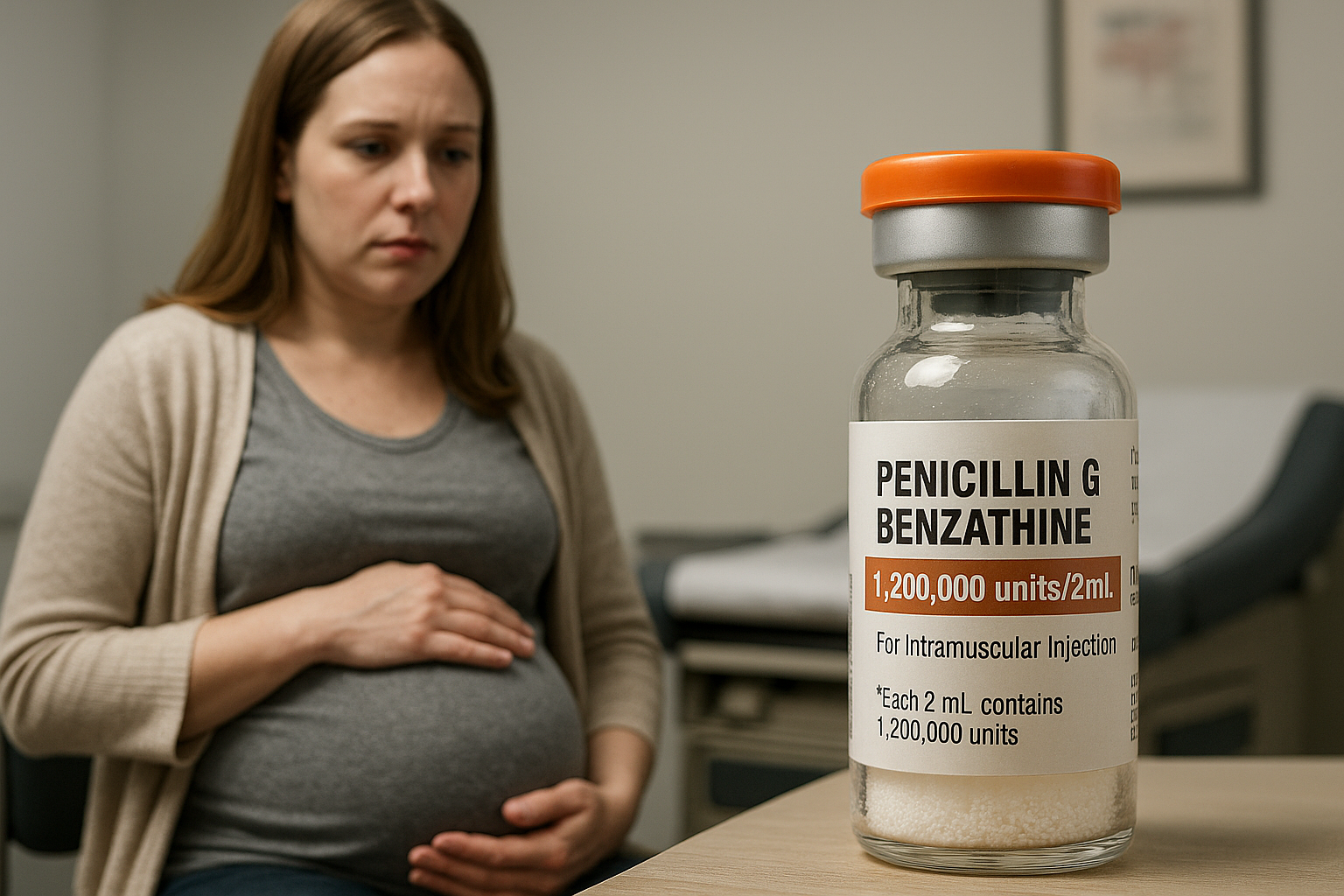
NewsWK — Residents of Bennington and the surrounding areas may be concerned to learn that the United States is facing a critical shortage of Bicillin L-A, the only U.S.-made injectable antibiotic recommended for treating pregnant women with syphilis to prevent transmission to their babies. This shortage comes as congenital syphilis rates have been rising sharply, and local health officials are prioritizing the medication for vulnerable populations.
According to a report first published by Stateline, the shortage stems from a voluntary recall by Pfizer last July due to contamination issues in some batches of the medication. The U.S. Food and Drug Administration has indicated that normal supply levels will not be restored until December 2027. Currently, there is only one manufacturing plant for this essential drug, located in Michigan, operated by King Pharmaceuticals, a Pfizer subsidiary.
Impact of the Bicillin L-A Shortage on Local Healthcare
This situation poses a significant challenge for healthcare providers in Bennington County, particularly at institutions like the Southwestern Vermont Medical Center and local clinics. Health departments are advising providers to prioritize pregnant patients and their newborns in accessing the limited available doses of Bicillin L-A. As the drug has no generic alternative, the impact of this shortage could exacerbate existing health disparities in our community.
Congenital Syphilis Treatment Bennington Options and Alternatives
Local health officials are working diligently to connect patients with available treatments, including alternative antibiotics like Lentocilin, which has been temporarily imported from Portugal. However, Lentocilin is not a long-term solution, and its availability is uncertain.
Rising Congenital Syphilis Rates
Congenital syphilis has severe consequences, potentially leading to stillbirth or serious health complications in newborns. The infection rate has more than tripled in recent years, with nearly 4,000 cases reported nationwide in 2024 alone. This raises concerns for local health providers as they navigate treatment in an environment with dwindling resources.
Elizabeth Finley, interim executive director of the National Coalition of STD Directors, noted, “The biggest fear with the Bicillin shortages has always been that somebody could not get treatment before delivery.” This highlights the urgency for local healthcare systems to adapt quickly to these challenges.
What’s Next for Bennington?
As local health authorities continue to monitor the situation, residents are encouraged to seek regular prenatal care and testing to mitigate risks associated with syphilis. Community health initiatives may become increasingly important in addressing these rising rates and ensuring that expectant mothers receive the necessary care.
This article was produced with the assistance of AI and reviewed by our editorial team.
Based on reporting originally published by Stateline. Read the original story.
Related: Bennington 250 Announces ‘250 for 250’ Year-End Gala to Support Anniversary Celebrations
Related: Warm, Cloudier Pattern Sets In for Bennington County Before Weekend Drizzle and Cooler Air
Related: Bennington Battle Day Marked as Historic Monument Awaits Repairs
Related: Damp Late-August Stretch Brings Rain, Drizzle, and Cooler Temperatures to Bennington County
Related: Smithsonian Partners With Bennington Groups for Cultural Initiative
Related: Border County Tax Pressures Mount as New York Shifts SNAP Costs
See a typo? Report it here.