Bennington
Federal Judge Reinstates Freeze on Mail In Ballot Rules
A federal judge froze for two weeks a Trump administration regulation to restrict mail voting late Thursday, calling the U.S. Postal Service rule a violation of states’ power to administer elections. U.S. District Judge Indira Talwani’s temporary restraining order reinstated a…

Last updated:
Key points
- A federal judge issued a two-week restraining order pausing a Trump administration regulation that restricts mail-in voting.
- The challenged rule would require new envelope designs, federal citizenship checks on voter rolls, and limits on postal delivery for unverified voters.
- The temporary halt keeps current state election processes and postal procedures in place while lawsuits proceed ahead of the Nov. 3 election.
NewsWK — A federal judge in Massachusetts has put a temporary halt on a federal regulation that would impose strict new mandates on mail-in ballots across the country. The decision provides temporary breathing room for state election officials and local voters preparing for the upcoming Nov. 3 midterm elections.
U.S. District Judge Indira Talwani issued a two-week temporary restraining order late Thursday, pausing a U.S. Postal Service rule initiated under the Trump administration. The judge determined that the policy infringes on the constitutional authority granted to individual states to run and oversee their own elections.
Local impact on Bennington County mail in voting
For voters in Bennington County and neighboring communities in Southern Vermont, eastern New York, and western Massachusetts, mail voting has become a standard and trusted part of participating in local, state, and federal elections. Across our region, town clerks and county boards rely on predictable postal operations and established state procedures to process ballots efficiently.
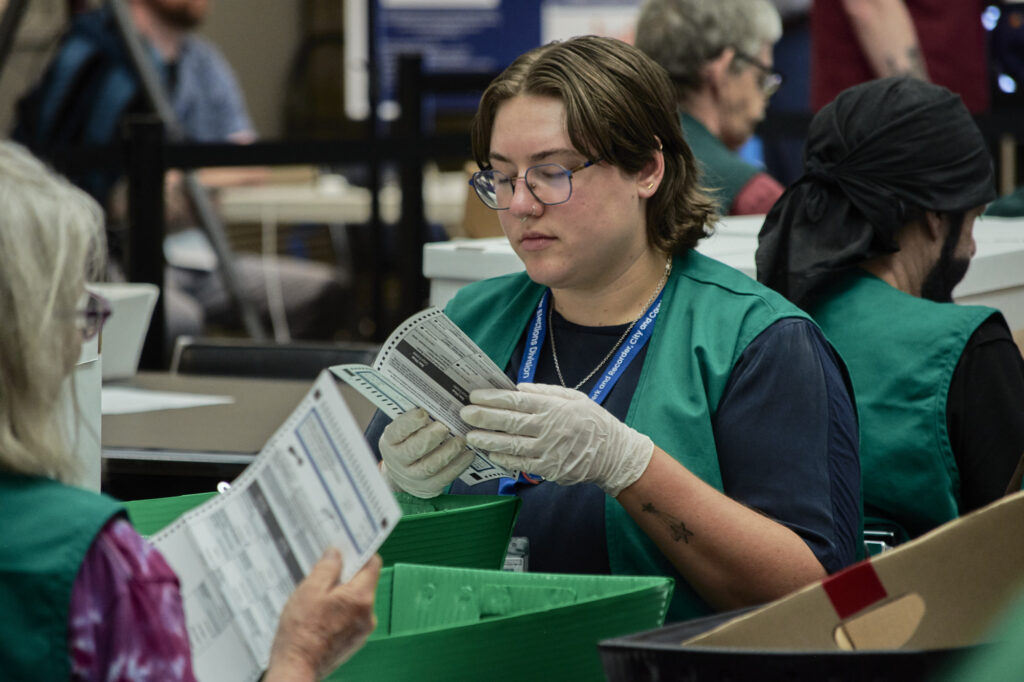
The contested federal rule would require major shifts in how mail ballots are handled by the Postal Service. Under the regulation, states would have to adopt new specifications for ballot envelopes on short notice and submit lists of voting-age citizens to federal agencies. The Postal Service would then cross-reference those rosters against federal citizenship records and would be prohibited from collecting or delivering ballots for anyone not confirmed through that process.
Election officials have warned that overhauling envelope designs and establishing complex data verification systems ahead of the November midterms would create severe administrative backlogs and create confusion for everyday voters who rely on postal delivery.
Federal mail in voting lawsuit moves quickly
The latest legal maneuver follows a series of swift court actions earlier in the week. Judge Talwani had previously paused the policy but lifted her stay following a procedural decision from the U.S. Supreme Court on Monday.
The high court’s conservative majority held that lawsuits brought by roughly two dozen state attorneys general and voting rights organizations had been submitted prematurely because the executive branch had not yet finalized the formal rule. However, the Postal Service had actually published the completed rule on Friday, Aug. 21, just days prior to the Supreme Court’s ruling.
Recognizing that the regulation was now officially published, the coalition of state officials and advocacy groups immediately refiled their challenges on Wednesday. That prompted Judge Talwani to reconsider and issue the fresh 14-day injunction.
Legal questions over evidence and authority
In her decision, Judge Talwani expressed deep skepticism regarding federal authority to dictate how state election systems operate without explicit congressional backing. She highlighted that the federal government failed to demonstrate evidence of widespread fraud in mail balloting to justify such sweeping interventions.
USPS mail in voting regulation challenged in court
Judge Talwani wrote that “the USPS’s interest in correcting an unsubstantiated problem through likely unconstitutional means is dwarfed by the overwhelming risk of pervasive disenfranchisement of citizens who need access to mail ballots in order to vote.”
Administration officials have defended the regulation as a necessary safeguard for election integrity, arguing in court filings that the executive branch is not attempting to seize full administration of state elections. The federal government is widely expected to appeal the restraining order in federal appellate court.
What you need to know about the contested rules
- The regulation mandates standardized federal specifications for all mail-in ballot envelopes nationwide.
- States would be required to transmit voter lists to federal authorities for citizenship checks before ballots could be mailed.
- Postal workers would be barred from picking up or delivering ballots from individuals not cleared by the federal verification process.
- Every state in the nation allows some form of mail-in or absentee voting, while eight states and Washington, D.C., automatically mail ballots to all registered voters.
What lies ahead
The two-week freeze keeps current state voting procedures and postal handling practices intact while the court considers whether to grant a longer-term preliminary injunction. With absentee and mail ballot deadlines approaching rapidly for the general election, both election administrators and voting rights advocates are watching closely to see how federal appellate courts handle the forthcoming appeals.
For local residents across Southern Vermont and border communities, election procedures currently remain guided by established state rules. Local clerks continue to encourage voters to check their registration status and monitor local municipal notices as deadlines draw near.
This article was produced with the assistance of AI and reviewed by our editorial team.
Sources
Related: Supreme Court Clears Mail Ballot Order as VT, NY, and MA Fight Rules
Related: Multistate Lawsuit Challenges Federal Immigration Rules on Public Safety Grants
Related: Federal Judge Blocks Overhaul of Teen Pregnancy Prevention Grants
Related: Idaho Abortion Ballot Lawsuit Heads to State Supreme Court Over Summary Wording
Related: USPS Mail-in Voting Whistleblower Warns of Ballot Delays
Related: Supreme Court Mail Voting Rule Kept on Hold Before Midterm Vote
See a typo? Report it here.