Bennington
EPA Iowa Lead Azide Detonation Testing Results Show Safe Drinking Water
Iowa detonation testing results show no increase in levels of lead in drinking water, EPA says EPA says no rise in contamination after Army detonates lead azide stockpile in Iowa Army detonates nearly five tons of lead-based explosives in Iowa …


Last updated:
Key points
- Initial EPA testing following the controlled explosion of five tons of lead azide showed no increase in lead levels in drinking water sources.
- Real-time air sensors recorded zero airborne lead particles during 30 consecutive hours of post-blast monitoring around the ammunition plant.
- Federal teams collected over 3,200 air, water, soil, and dust samples to ensure public safety across surrounding communities.
NewsWK — Federal environmental officials recently completed initial environmental monitoring after a major military explosives disposal operation in the Midwest. These water safety and explosive disposal standards set important precedents for communities nationwide. In addition, they guide local water districts in Bennington County and surrounding Southern Vermont regions.
What do federal water monitoring standards mean for local water supplies?
Federal drinking water protections rely on strict baseline testing to ensure public health during major environmental events. When federal agencies monitor large industrial or military operations, their methods establish national safety standards. Consequently, these rules protect public drinking water systems. Local water managers track these procedures to maintain high quality in our watersheds.
Communities everywhere depend on clean watersheds for safe municipal drinking water. Therefore, rigorous oversight by federal inspectors remains vital during complex hazardous material operations. Residents in rural and small town areas understand the vital importance of protecting lakes, rivers, and regional aquifers. Meanwhile, state and national agencies continue to update testing protocols. These updates catch potential contaminants long before they reach local taps.
How did the EPA Iowa lead azide detonation testing results confirm safe water?
Initial laboratory findings showed no increase in lead concentrations in public water supplies following the controlled explosion. Environmental scientists collected 38 water samples from regional drinking sources after the event. Then, they compared them to baseline tests taken before the blast. Every sample confirmed that lead levels remained well below federal safety thresholds.
On Saturday, November 28, 2026, officials announced the early testing data to the public. Specifically, inspectors gathered samples from both finished, treated drinking water and untreated intake locations. Before the operation, federal crews established baseline levels across 35 drinking water sources in Iowa, Illinois, and Missouri.
For example, pre-blast baseline testing recorded the following untreated water lead levels:
- Mark Twain Lake: 1.62 parts per billion (ppb)
- Illinois River (Illinois): 1.13 ppb
- Mississippi River (Illinois): 1.36 ppb and 2.12 ppb
These recorded figures remained far below the federal public alert threshold of 15 ppb. Consequently, the Iowa lead azide detonation drinking water data reassured downstream communities. Their municipal water supplies remained uncompromised. Furthermore, federal teams confirmed that EPA drinking water lead levels Iowa testing showed stable baseline readings throughout the surrounding river network.
What was the total lead azide detonation environmental impact near the site? EPA Iowa Lead Azide Detonation Testing Results
Comprehensive air and soil testing showed zero airborne lead contamination during intensive 30-hour post-blast monitoring. A multi-agency response team deployed hundreds of inspectors across public parks, private farms, and local structures. There, crews gathered thousands of samples. Initial laboratory tests confirmed that specialized containment structures trapped hazardous dust particles inside the detonation zone.
The military operation required massive monitoring resources to assess the overall lead azide detonation environmental impact. For instance, continuous air monitoring systems operated across four stationary locations for 30 consecutive hours after the blast. Throughout that entire monitoring period, real-time air sensors recorded zero lead particles in the surrounding atmosphere.
In total, roughly 300 EPA personnel and specialized contractors coordinated the monitoring operation. Additionally, the team collected more than 3,200 total environmental samples of air, water, soil, and dust. Their sampling plan included:
- 1,632 pre-detonation environmental samples
- 1,607 post-detonation environmental samples
- Direct sampling across 27 public parks
- Soil and dust testing at more than 180 structures, including homes, schools, daycares, and churches
- Agricultural soil testing on nearby farmland in coordination with the U.S. Department of Agriculture
By Friday, November 27, 2026, crews completed 88 percent of post-blast residential tests. Currently, private and public laboratories continue validating remaining soil and dust samples from the Iowa Army Ammunition Plant detonation monitoring zone.
Why did federal officials detonate the lead azide stockpile?
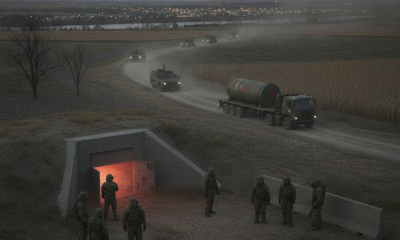
Military officials ordered the emergency destruction of nearly five tons of lead azide. They acted because aging compounds created an extreme explosion risk. The degrading material had rested inside underground bunkers for nearly 20 years. Moreover, chemical instability increased significantly during cold weather. Officials acted quickly after securing clearance from a Federal Appeals Court.
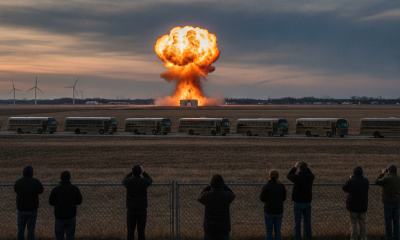
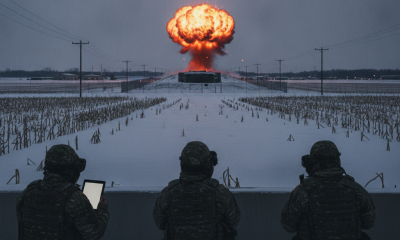
On Wednesday, November 25, 2026, at approximately 9:00 a.m. CST, military crews detonated the explosive stockpile. Specifically, the controlled blast took place at the Iowa Army Ammunition Plant in Middletown, Iowa. Demolition teams destroyed 68 barrels containing nearly five tons of deteriorating primary explosives.
Previously, chemical experts warned that the aging lead azide had begun to recrystallize over time. This chemical shift created a high risk of spontaneous explosion. In addition, cold weather further destabilized the compound. Legal challenges from environmental advocates delayed the blast briefly. However, a Federal Appeals Court cleared the operation on Monday, November 23, 2026.
To contain hazardous materials, engineers constructed extensive physical barriers around the underground concrete bunkers. First, demolition teams layered earth coverings, heavy sand barriers, tarps, and water walls. They also added specialized aqueous particle-collecting foam. Together, these containment layers absorbed heavy shockwaves and trapped toxic lead dust during the explosion.
Next, federal lab technicians will complete final validation of remaining soil and dust samples in the coming weeks. These measures remain essential whenever federal agencies handle hazardous materials near public waterways.
This article was produced with the assistance of AI and reviewed by our editorial team.
Related: Iowa Army Ammunition Plant Lead Azide Detonation Set for Wednesday
Related: Army lead azide detonation Iowa set for Wednesday