
Arlington
How Vermont Historic Covered Bridges Stay Standing Across Our Region
From Tunbridge’s covered bridges to Royalton’s steel trusses, Vermont’s historic crossings tell stories of ingenuity, preservation and change. Read the story on VTDigger here: Historic bridge month shines light on landmarks.


Last updated:
Key points
- November marks Historic Bridge Awareness Month, highlighting preservation efforts for Vermont’s 100 remaining covered bridges.
- State transportation officials and local volunteers work to protect historic wooden and steel bridges from heavy traffic, road salt, and severe weather.
- Reinforcement efforts balance modern structural safety needs with maintaining historical Authenticity Across Bennington County and statewide.
Montpelier, Vt. NewsWK — November brings a focused look at the wooden and steel landmarks that define our local roadways. Residents Across Bennington County and Southern Vermont rely on these river crossings every day. However, maintaining aging timber spans requires constant vigilance from state engineers and local volunteers.
What Is Historic Bridge Awareness Month?
HistoricBridges.org established Historic Bridge Awareness Month in 2006 to advocate for vulnerable transportation landmarks. The annual November campaign encourages communities to inspect, maintain, and celebrate historic engineering. In Vermont, supporters use the month to highlight a steep decline. Historically, the state had 600 covered bridges, while just 100 wooden structures survive today.
The seasonal timing offers a moment of reflection before winter weather sets in. Heavy snow, ice jams, and road salt create harsh conditions for aging wood and steel. For example, Tropical Storm Irene and the landmark 1927 flood wiped out dozens of historic river crossings statewide. Today, advocates work quickly to safeguard remaining spans before structural damage becomes irreversible.
How Does Vermont Covered Bridge Preservation Work Today?
Vermont covered bridge preservation relies on collaboration between state transportation managers, local historians, and community leaders. State guidelines favor traditional timber repairs over modern replacements whenever structural integrity permits. However, engineers must constantly weigh historical authenticity against safety standards. They also balance traffic volumes and budget limitations for Municipal Road networks.
Why Does the Vermont Covered Bridge Society Track Historic Bridges in Vermont?
The Vermont Covered Bridge Society formed in 2001 after successful community efforts protected the Cambridge covered bridge. Today, the organization tracks structural Conditions Across Every County and promotes public education. Furthermore, volunteer researchers document historical building techniques. Their work helps future generations understand how these handcrafted wooden bridges survived over a century of traffic.
Additionally, society member Phill Gatenby recently completed a project documenting all 100 surviving covered bridges across the state. Gatenby started filming his video series in September 2024. He then wrapped up production in June 2026. Consequently, the organization named him Member of the Year at its annual meeting in Tunbridge for his comprehensive record.
Key challenges facing historic bridges in Vermont include:
- Heavy commercial trucks and modern vehicle traffic increase structural wear.
- Accumulated Road salt and moisture cause timber rot and steel corrosion.
- Severe flooding and river debris strain foundation footings.
- Deferred maintenance impacts small towns with tight municipal budgets.
How Do Aging Spans Impact Transportation in Bennington County and Beyond?
Historic bridges add immense charm to local landscapes. However, narrow lanes and low weight limits present real daily challenges. Modern fire trucks, school buses, and municipal snowplows often exceed weight capacities on older timber trusses. Consequently, local officials must decide whether to reinforce historic designs or construct modern two-lane concrete replacements.
Municipal crews must clean out debris pockets annually to prevent rot. Meanwhile, state engineers at the Vermont Agency of Transportation examine structural supports across Southern Vermont.
“There used to be 600 covered bridges at any one point in Vermont,” noted Gatenby during his survey project. “Today we have 100.”
Preservation techniques often require compromises between authenticity and strength. For instance, workers sometimes install steel I-beams hidden beneath timber decks to support modern loads. However, state covered bridge committee chair JB McCarthy noted that transportation officials prefer natural wooden repairs. Steel supports can alter a traditional truss, so engineers treat steel reinforcement as a secondary option.
What Is the Future for Historic River Crossings?
The future of historic river crossings depends on early intervention and steady funding commitments. State historians note that unique construction methods make older bridges irreplaceable historic artifacts. When towns delay maintenance, timber rot rapidly worsens. Therefore, state preservation funds focus on early repairs so communities can avoid costly total replacements.
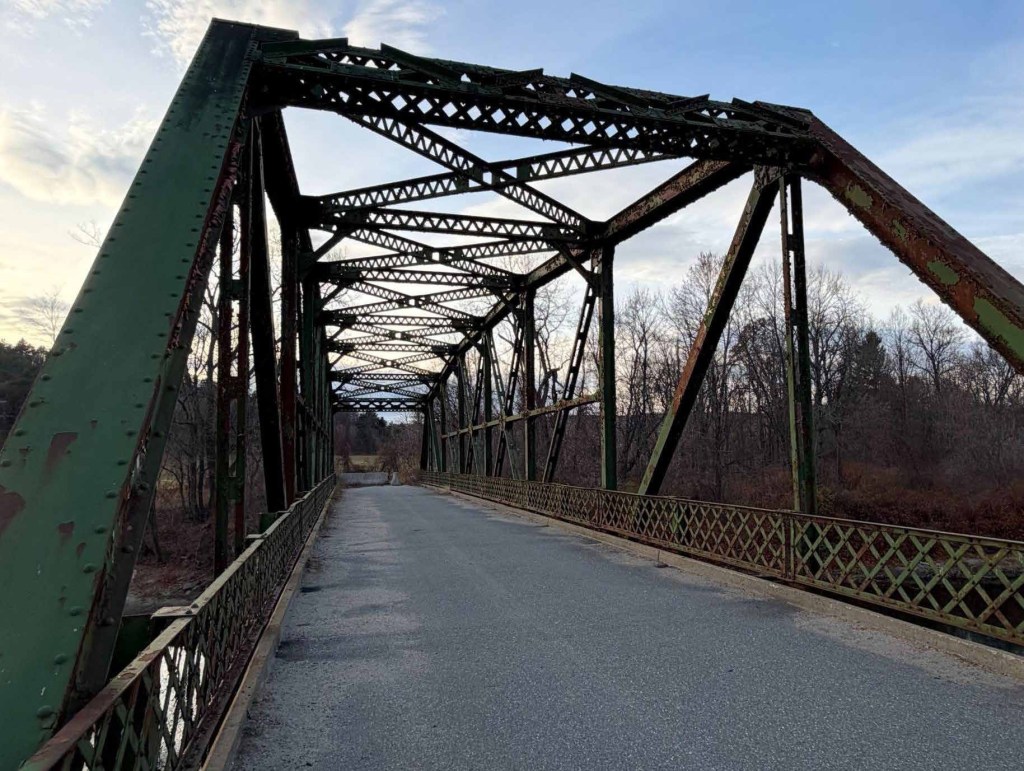
Different communities choose different paths for their aging infrastructure. In Stockbridge, officials planned a replacement for the 1929 Gaysville steel truss bridge. Single-lane restrictions had blocked emergency vehicles there. By contrast, Royalton successfully rehabilitated its 1928 steel truss bridge. Meanwhile, Brookfield preserved its unique Floating Bridge by replacing worn pontoons while keeping its historical design intact.
“Vermont places a high priority on preserving its historic covered bridges,” McCarthy explained. He emphasized rehabilitation over demolition whenever feasible.
In the White River Valley, routine upkeep and community support ensure these historic landmarks continue connecting Vermont towns for decades to come.
This article was produced with the assistance of AI and reviewed by our editorial team.
Sources
Related: Green River Restoration Sandgate VT: Project Reconnects Floodplain to Heal Landslide Scars
Related: Green River Restoration Sandgate VT Project Tames 220-Foot Landslide


