Bennington
Public Defender Shortage Threatens Justice in Local Courts
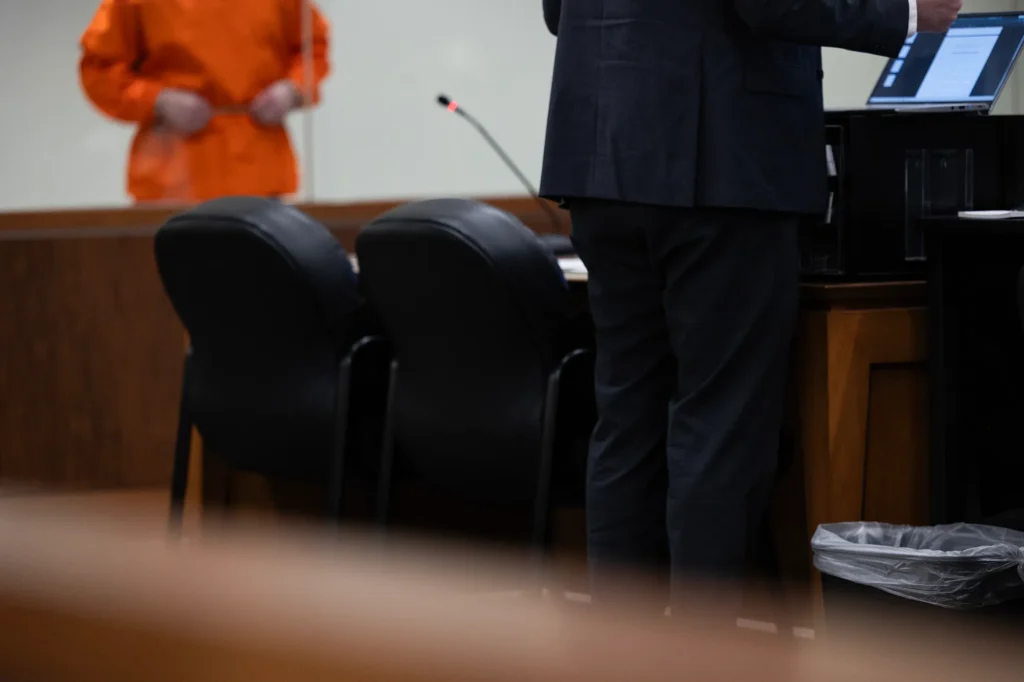
AUSTIN, Texas — It was a good day for the defense. Standing in front of a judge in Austin’s Blackwell-Thurman Criminal Justice Center, attorney Matthew Shrum secured a ruling that spared his client from serious punishment on a shoplifting charge.…

Last updated:
Key points
- A growing nationwide shortage of public defenders is leaving low-income criminal defendants in jail for weeks or months without legal representation.
- Key factors driving the crisis include high attorney burnout, uncompetitive pay compared to private firms, and massive volumes of digital video evidence.
- Some regions are combating attorney shortfalls by creating multi-county regional defense offices and lobbying county boards for increased funding.
AUSTIN, Texas NewsWK — Courts across the nation face an alarming lack of legal counsel for low-income defendants. Meanwhile, residents in Bennington County and surrounding communities rely on legal aid. This aid guarantees fundamental constitutional protections. However, growing lawyer shortfalls threaten to leave defendants sitting in jail without proper representation.
What does the court appointed attorney shortage mean for local residents?
The court appointed attorney shortage leaves hundreds of defendants waiting in jail cells without legal counsel. Consequently, local judicial systems face major delays, higher detention expenses, and potential case dismissals. When defense rosters shrink, accused individuals lose their right to a speedy trial. Ultimately, this harms community trust and public safety.
In 1963, the U.S. Supreme Court issued a landmark ruling. Specifically, states must provide legal counsel to defendants who cannot afford private attorneys. Today, roughly 80% to 90% of criminal defendants across the United States qualify for public defense. However, legal defense networks in many states now operate at or near complete capacity.
Local courts depend on effective defense attorneys. Because of this, severe backlogs ripple through entire judicial districts. Therefore, public safety and constitutional rights both suffer when caseloads become unmanageable.
Here are key statistics showing the depth of the nationwide legal crisis:
- Texas: The state lost 1,345 indigent defense lawyers between 2014 and 2024. That represents a drop of nearly 25 percent.
- Oregon: The State Supreme Court ordered the dismissal of over 1,400 criminal cases. It acted because defenders were unavailable.
- Pennsylvania: Sixty out of 66 counties lack sufficient public defenders to handle current case volumes.
- Kansas: Studies show the state needs 277 additional full-time defenders beyond its current 123 lawyers.
- New Mexico: Current rosters of 295 public defenders fall 602 lawyers short of workload guidelines.
Why is the indigent defense crisis growing across the country?
The indigent defense crisis stems from massive legal retirements and attorney burnout. It also results from significant pay gaps between public and private legal practices. Furthermore, prosecutors receive larger budgets. Meanwhile, public defenders contend with huge volumes of complex digital evidence, including police body camera recordings and surveillance video.
Many senior attorneys are retiring after decades of service in county courts. Meanwhile, fresh law school graduates frequently choose private law firms over public defense. They prefer the higher salaries and manageable workloads.
Also, the nature of legal defense work has changed dramatically in recent years. Modern criminal defense requires reviewing hundreds of hours of digital video footage for a single case. Additionally, lawyers must check cell phone logs and electronic records. Reviewing this evidence takes immense time. Consequently, public defenders quickly fall behind.
“Every day that an arrested person doesn’t have a lawyer is a day that their constitutional rights are being violated,” warned Pamela Metzger. She serves as executive director of the Deason Criminal Justice Reform Center at Southern Methodist University.
How severe are public defender caseloads in modern courts?
Public defender caseloads in many jurisdictions now reach double or triple recommended safety guidelines. Consequently, attorneys struggle to make phone calls, review evidence, or meet with detained clients promptly. In large metropolitan areas, extreme workload surges have pushed public defense leaders to refuse new cases. Otherwise, they face judicial sanctions.
For example, San Francisco Public Defender Mano Raju made a tough call. Specifically, he announced his office would temporarily stop taking certain new cases due to steep workload spikes. Raju reported a 78 percent increase in active misdemeanor cases. Furthermore, he noted a 56 percent surge in felony cases. However, a local judge cited him for contempt and ordered sanctions, which remain under appeal.
Similarly, studies in Los Angeles County reveal a severe problem. There, public defenders carry caseloads more than double reasonable limits. In Travis County, Texas, public defender Matthew Shrum reported managing over 500 active cases at one point. He noted that the region simply had more Low-income Defendants Than Court-appointed attorneys.
In addition, many jailed individuals wait weeks or months just to speak with a lawyer. Attorney Kaylee Brilhart highlighted this issue. She noted that clients often express immense gratitude simply when a defender answers their jail phone calls.
How are communities addressing the public defender shortage?
Communities are responding to the public defender shortage by forming multi-county defense regional offices. They are also petitioning local government officials for emergency funding increases. Additionally, state leaders are creating new legal commissions. These groups establish strict limits on defender workloads and protect the fundamental right to an attorney.
In rural areas, multi-county partnerships offer a practical way forward. For instance, five Texas counties established the Hill Country Public Defenders Office. They acted after local judges noticed a total absence of defense counsel. Today, the regional office employs 20 attorneys and 30 support staff members.
Chief Public Defender Karli Kennell praised the model. She emphasized that dedicated regional teams keep public defenders from turning into simple plea mills. As a result, fewer defendants wait in regional jails without legal representation.
Furthermore, former San Francisco District Attorney Chesa Boudin helped launch a new legal commission in California. Specifically, the commission advocates for enforceable legal standards to protect public defenders and their clients.
Ultimately, protecting the right to an attorney requires sustained public funding, competitive compensation, and manageable case limits. Without these critical reforms, local justice systems risk stalling entirely.
This article was produced with the assistance of AI and reviewed by our editorial team.
Sources
Related: Rensselaer County Judge Leads Push for NY Mental Health Courts
Related: Juvenile Sentencing Northwest Florida: Courts Weigh Accountability and Youth Mental Health
See a typo? Report it here.