Albany
Will a New Albany Lobbying Super PAC Shift Power Along Our New York Border?
Lobbying firm Brown & Weinraub’s committee allows its clients to route unlimited sums to support candidates who back their agendas.

Last updated:
Key points
- New York’s top lobbying firm, Brown & Weinraub, launched a novel super PAC called New York Forward to directly support political candidates.
- The new model allows the firm to pool unlimited campaign cash from multiple corporate clients, lowering the barrier for big-money influence.
- Major donors like healthcare group CAIPA and prediction market Kalshi have already funded the PAC to support lawmakers overseeing their industries.
NewsWK — For residents in Hoosick Falls and Rensselaer County, political decisions in nearby Albany shape daily life. Now, a new political tool is changing how special interests influence those decisions. A prominent firm has launched a novel campaign vehicle just across our state border.
How does Albany political lobbying affect border communities?
State policies on healthcare, business, and taxes directly impact families in Washington and Rensselaer counties. When lobbying firms gain more political power, local voices often fade. This new political committee allows wealthy donors to influence the lawmakers who write these critical state laws.
Many local residents travel across the state line for work, healthcare, and shopping. Therefore, New York legislative decisions directly affect our regional economy. For example, changes to healthcare laws can alter insurance options for local workers.
Meanwhile, the rise of powerful political committees makes it harder for average citizens to reach their representatives. Lobbying firms now have a direct way to reward cooperative politicians. This setup creates a challenging environment for grassroots advocacy in our border towns.
What is the Brown and Weinraub New York Forward committee?
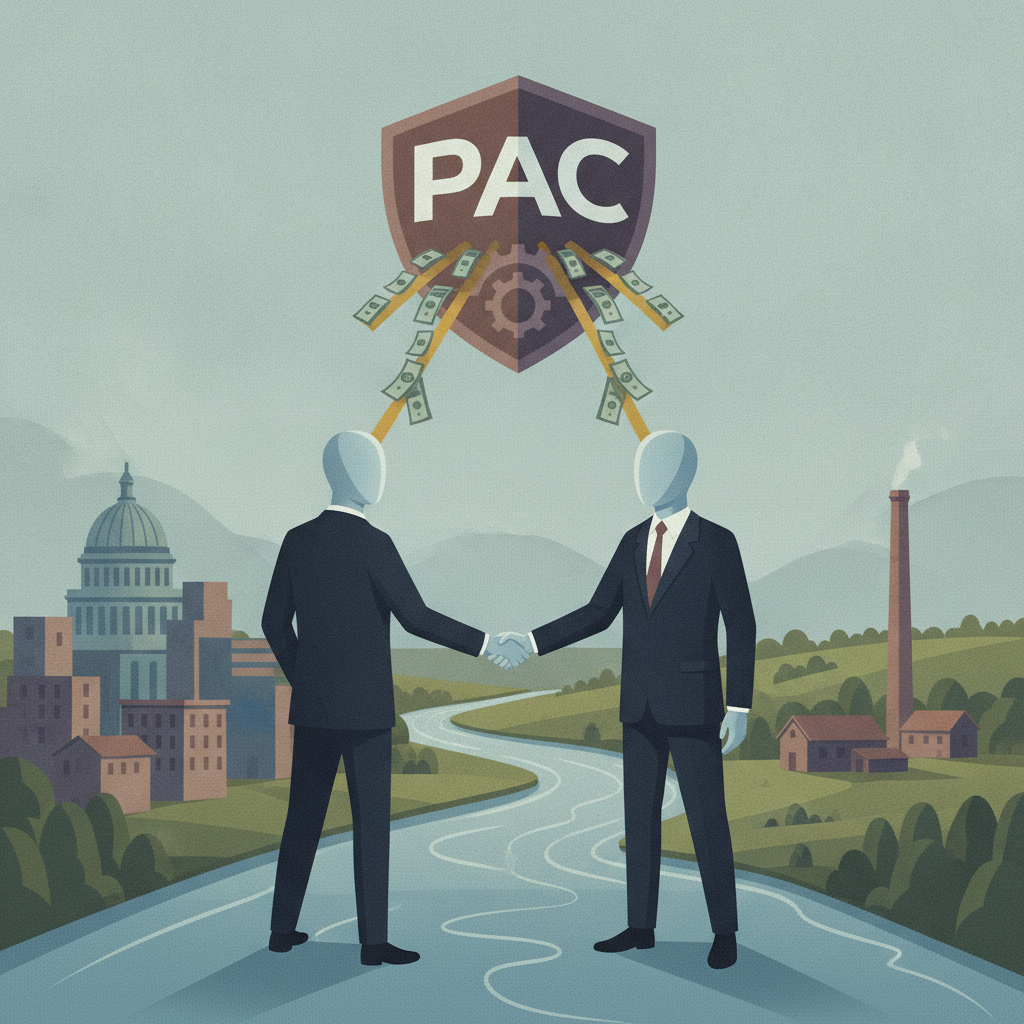
The Brown and Weinraub New York Forward committee is a first-of-its-kind political action group in the state. It allows Albany‘s top lobbying firm to collect unlimited donations from multiple clients. The firm then spends this money to support political candidates who favor their clients’ interests.
Normally, lobbying firms set up political action committees for a single client or election. However, this new committee has no expiration date. It serves a wide variety of corporate interests instead of just one.
Last year, the firm earned more than $24 million from hundreds of clients. Now, they can use this financial power to influence elections directly. Senior adviser Evan Rantzaklis defended the move in a public op-ed. He wrote that the group supports effective legislators who deliver results. Yet, critics argue the system gives wealthy corporations too much access.
How does this change New York campaign finance laws?
This new model bypasses traditional limits on New York campaign finance by using independent expenditures. It allows a single firm to coordinate massive political spending for many different corporate clients. Consequently, it lowers the barrier for wealthy interests to influence state elections.
The 2010 Citizens United ruling allowed unlimited independent spending in elections. Since then, super PACs have flooded state campaigns with outside money. But this new approach takes the strategy a step further.
According to Kyle Kennedy of Reinvent Albany, the new model “dramatically lowers the barrier for their clients to dump money” into politics. He noted that the system is already drowning in big money influence. He also warned that these committees allow lobbyists to use other people’s money to help friendly incumbents. This creates an implicit threat to legislators who might oppose them.
Which campaigns received money from the New York Forward super PAC?
The New York Forward super PAC successfully backed five candidates during the June Democratic primaries. Two major corporate clients provided the bulk of the funding for these efforts. These donors then saw political action on issues crucial to their business interests.
The Chinese American Independent Practice Association donated $147,500 to the committee. This group represents over 1,800 medical providers. Subsequently, the committee spent $107,000 to support Assemblymember Grace Lee. Lee had introduced a bill to help association members buy cheaper health insurance.
Although some insurance companies opposed the bill, it passed both legislative houses. Lee’s staff stated her support for the bill began before any lobbying occurred.
Meanwhile, another client named Kalshi donated $450,000 to the committee. Kalshi operates an online prediction market platform. The committee spent $22,000 to support Senator Joseph Addabbo.
Addabbo chairs the committee that regulates online gaming. He previously expressed concerns about unregulated prediction markets. However, he later sponsored a bill to regulate and legalize them. Currently, Kalshi faces a lawsuit from state officials who call the platform illegal. The company’s massive donations came as they lobbied lawmakers on the pending bill.
What is the future of Albany political lobbying?
This new lobbying model will likely spread to other firms across New York. As more firms launch their own political committees, the cost of campaigns will rise. Consequently, local candidates in border districts may face increased pressure from outside spenders.
Political analysts expect other lobbying firms to watch this experiment closely. If the strategy succeeds in November, more committees will likely form. This trend could change how local campaigns are funded in Rensselaer and Washington counties.
In the past, local donors drove community campaigns. Now, statewide lobbying firms can easily overshadow local voices. Residents along the border must stay vigilant as state politics becomes more expensive.
The upcoming November elections will serve as the first major test for this new strategy. Voters will soon see how much influence these wealthy committees actually hold.
This article was produced with the assistance of AI and reviewed by our editorial team.
Sources
Related: Across the New York Border, Lawmakers Lean on AI for Opinion Columns
Related: Border County Tax Pressures Mount as New York Shifts SNAP Costs
See a typo? Report it here.