Alabama
How the Massachusetts Abortion Shield Law Lawsuit Affects Our Region
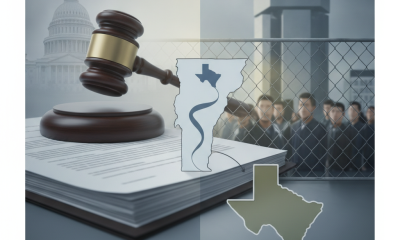
BATON ROUGE, La. — Louisiana Attorney General Liz Murrill and the attorneys general in Arkansas and Alabama filed a lawsuit Tuesday in the U.S. Supreme Court, suing California, Massachusetts and New York to invalidate the so-called “shield laws” that have…

Last updated:
Key points
- Three Republican attorneys general have sued Massachusetts, New York, and California in the U.S. Supreme Court to strike down abortion shield laws.
- The lawsuit directly targets telehealth networks and providers who mail reproductive medications to patients in states with strict bans.
- Because Bennington County borders both Massachusetts and New York, any legal changes to their shield laws could impact local healthcare networks and regional providers.
BATON ROUGE, La. NewsWK — A major federal legal battle could soon impact healthcare providers along the southern Vermont border. Republican attorneys general from Louisiana, Alabama, and Arkansas have filed a lawsuit in the U.S. Supreme Court. The legal action targets Massachusetts, New York, and California. It seeks to overturn state shield laws that protect healthcare providers who mail reproductive medications to states with abortion bans.
Why it matters
This legal fight directly affects our border region. Bennington County sits steps away from both Massachusetts and New York. Many local residents use healthcare providers in Williamstown, North Adams, and Hoosick Falls. If the courts overturn these shield laws, regional healthcare networks could face intense legal pressure. Providers might restrict telehealth services to avoid out-of-state lawsuits, reducing healthcare options for local patients.
What is the Massachusetts abortion shield law lawsuit?
The Massachusetts abortion shield law lawsuit is a new legal challenge in the U.S. Supreme Court. Republican attorneys general from Louisiana, Alabama, and Arkansas filed the case. The lawsuit seeks to overturn state laws protecting local healthcare providers. These providers mail abortion medications to patients living in states with strict bans.
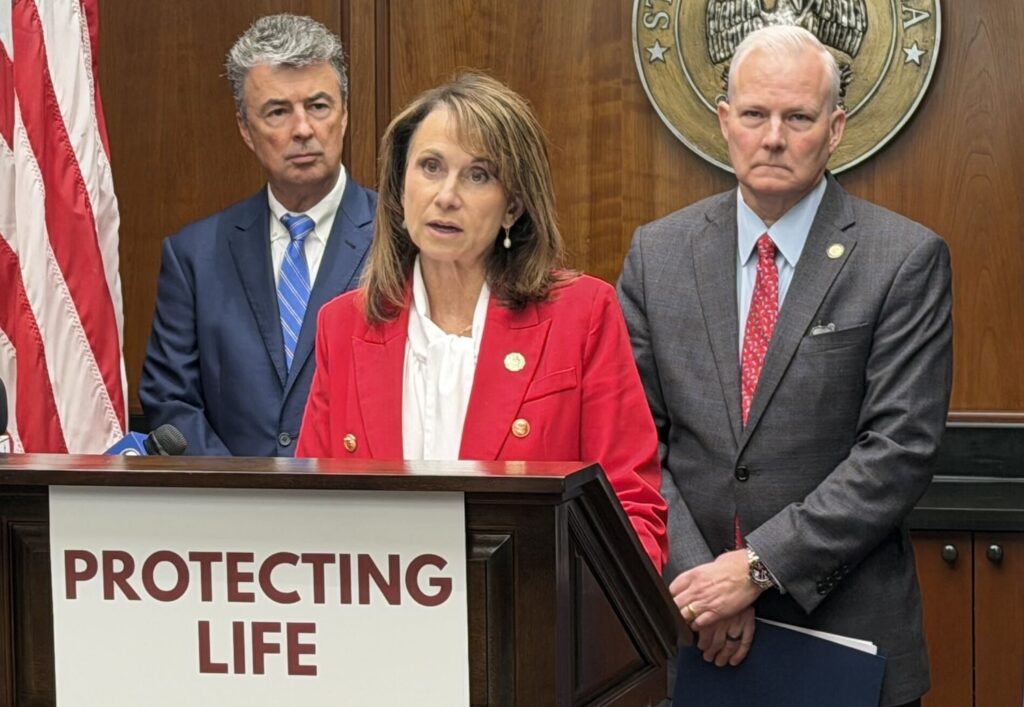
Louisiana Attorney General Liz Murrill leads the legal effort. Meanwhile, Alabama Attorney General Steve Marshall and Arkansas Attorney General Tim Griffin joined the suit. They argue that these shield laws violate state sovereignty. Therefore, they want the Supreme Court to declare them unconstitutional.
In addition to the Supreme Court case, the AGs filed a separate lawsuit in a Louisiana federal district court. This second suit targets 30 individual healthcare providers and organizations. For example, it names the Massachusetts Medication Abortion Access Project and its founder, Angel Foster. It also names California doctor Remy Coeytaux.
Why did Republican AGs sue Massachusetts?
Republican officials sued Massachusetts because its shield law blocks out-of-state investigations and extradition requests. This legal protection allows Massachusetts doctors and telehealth organizations to safely prescribe and mail reproductive medications. Consequently, they can serve patients nationwide and bypass local bans without fear of prosecution.
Louisiana Attorney General Liz Murrill stated, “We will not allow activist states, activist providers or distributors profiting from killing babies to threaten Louisiana’s sovereignty.”
Massachusetts is one of 22 states, along with Washington, D.C., that passed these protective measures. The laws became popular after the Supreme Court overturned Roe v. Wade in 2022. Currently, 13 states enforce near-total bans on abortion. However, northern states wanted to protect their medical professionals. Because of these shield laws, governors in Massachusetts and New York can refuse extradition requests from other states. For instance, Louisiana tried to extradite Dr. Coeytaux in January. California’s governor refused the request, citing state shield protections.
How does the telehealth abortion lawsuit impact local medical networks?
This telehealth abortion lawsuit threatens the legal safety net for medical professionals. It directly impacts doctors in Berkshire County, Massachusetts, and nearby New York areas. If the courts dismantle these protections, local providers could face severe out-of-state legal liabilities. This could disrupt regional medical services.
The federal lawsuit contains highly charged language. For example, the plaintiffs compare mailing abortion pills to sending chemical weapons or mail bombs. Yet, medical studies since 2000 show that mifepristone is safe and effective. The U.S. Food and Drug Administration updated its rules in 2023. These changes allowed providers to dispense the medication without an in-person visit. Consequently, the abortion medication mail lawsuit targets this exact distribution system.
What is the current status of these legal challenges?
Multiple courts are currently reviewing different aspects of these abortion shield laws and telehealth regulations. The U.S. Supreme Court must first decide if it will hear the challenge. The case directly targets Massachusetts, New York, and California. Meanwhile, regional federal courts are processing related lawsuits.
The legal battle is moving on several fronts:
- The Supreme Court complaint asks the justices to invalidate state shield laws completely.
- The Louisiana federal district court suit seeks to stop 30 specific providers from mailing medications.
- A separate lawsuit in the 5th U.S. Circuit Court of Appeals challenges the FDA’s telehealth rules.
Louisiana is also leading the charge against the FDA’s 2023 telehealth provisions. Similar lawsuits are moving through federal courts in Texas and Missouri. The 5th Circuit heard arguments on the FDA rules earlier this month. Therefore, a decision on nationwide access to mail-order mifepristone could come in the next few weeks.
How does this affect Southern Vermont?
While Vermont has its own strong reproductive rights protections, our local economy and healthcare systems are deeply integrated with our neighbors. Many Bennington residents work, shop, and receive medical care in Massachusetts and New York. Therefore, any disruption to neighboring healthcare providers impacts our community.
If these lawsuits succeed, they could create a chilling effect. Local doctors might hesitate to offer telehealth services. Additionally, regional clinics could face rising insurance costs due to increased legal risks. We will continue to monitor these court cases as they develop.
This article was produced with the assistance of AI and reviewed by our editorial team.
Sources
Related: Border County Tax Pressures Mount as New York Shifts SNAP Costs
Related: Supreme Court Clears Mail Ballot Order as VT, NY, and MA Fight Rules
See a typo? Report it here.