Albany
New York Farmworkers Extreme Heat Debate Hits Close to Border Fields
Like most states, New York doesn't have any enforceable heat protections for outdoor workers.

Last updated:
Key points
- New York lawmakers are debating the NY TEMP Act to require mandatory water, shade, and rest breaks when temperatures reach 80 degrees.
- The New York Farm Bureau opposes the current draft, citing burdensome rules during vital harvest windows.
- Federal data shows heat-related workplace deaths have risen nationwide, while seven other states have already passed mandatory outdoor heat protections.
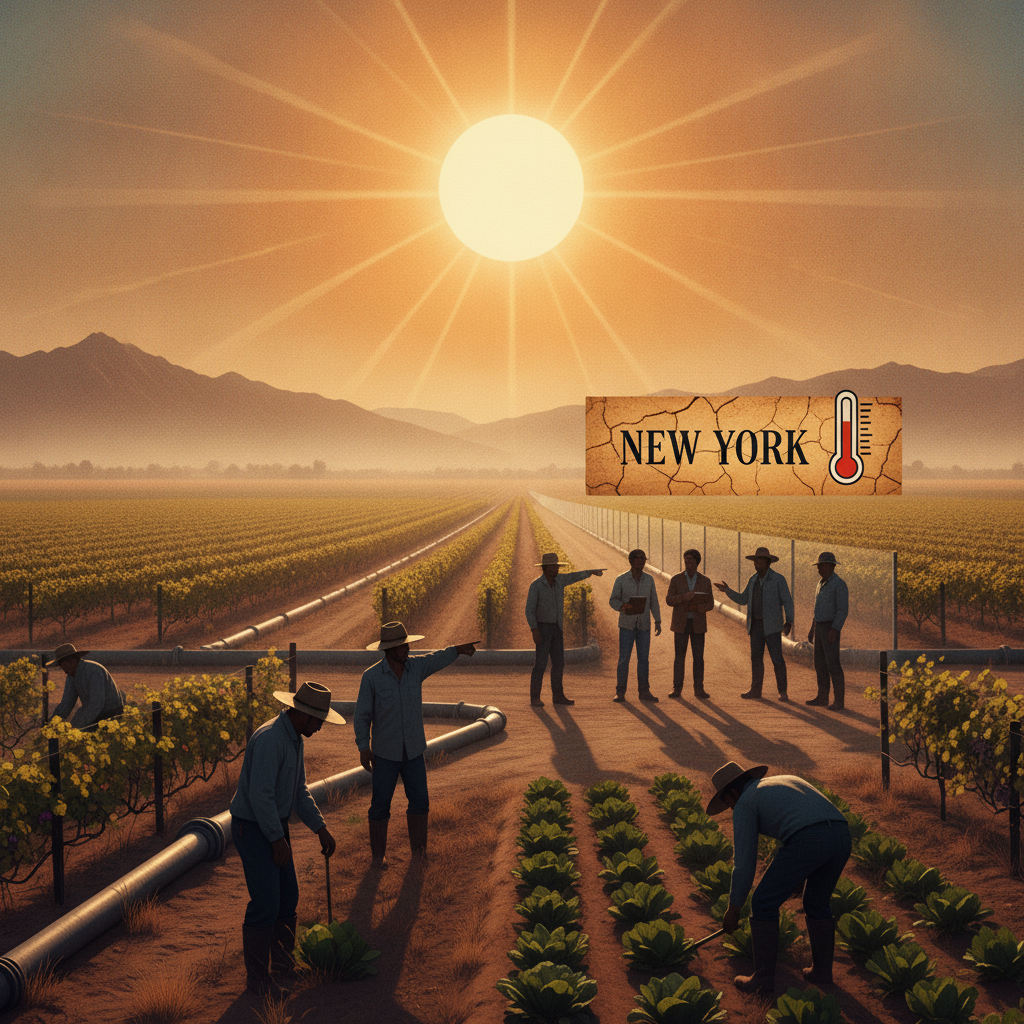
NewsWK — Summer heat waves across regional farm fields are fueling intense debates in Albany. Lawmakers are arguing over workplace safety rules. For upstate New York and border valley farms, rising temperatures create dangerous working conditions. As a result, outdoor laborers face increasing heat risks.
State lawmakers continue pushing new safety standards for outdoor crews. However, farm owners express deep concern about operational burdens.
Why it matters here
Our region relies heavily on agricultural labor across Rensselaer and Washington counties in New York. The workforce also supports Bennington County in Vermont. Many local residents cross state lines daily for farm work. Consequently, changes to New York farm regulations directly influence working conditions, local farm costs, and food production across our shared border communities.
In addition, summer humidity from the Taconic and Green Mountain valleys traps heat. Farm laborers often work long shifts outdoors without guaranteed rest cycles. Meanwhile, local growers must balance strict harvest schedules with worker health.
What are the proposed New York farmworker heat protections?
The proposed legislation, known as the NY TEMP Act, requires employers to provide shade, drinkable water, and paid rest breaks at 80 degrees. Lawmakers designed the bill to prevent heat exhaustion and organ damage among outdoor crews. The policy targets rising summer temperatures across the state.
Sponsor Harry Bronson chairs the New York State Assembly Labor Committee. In fact, he has championed the policy for three consecutive years. He argues that state intervention is essential because federal safety standards remain stalled.
“People are getting injured, and people are dying,” Bronson said, emphasizing the need for legislative action.
The federal Occupational Safety and Health Administration proposed nationwide heat rules in 2024. Yet, that federal proposal remains under review without final implementation. As a result, individual states must craft their own labor standards.
Why does the New York Farm Bureau heat bill debate continue?
The New York Farm Bureau strongly opposes the measure in its current form. Industry leaders argue that an 80-degree threshold creates impractical disruptions during critical harvests. Therefore, the organization advocates for flexible solutions that do not overwhelm family farms with rigid state mandates.
Furthermore, agriculture leaders have asked lawmakers to exempt farm labor from the bill or raise the temperature trigger. They note that weather conditions change rapidly during harvest cycles.
“No one is more concerned with the health and safety of farm workers than the farmers who employ them,” a Farm Bureau spokesperson wrote in a statement.
How does farmworker heat safety New York policy compare to other states?
Currently, seven other states mandate shade, water, and rest breaks for outdoor laborers during extreme temperatures. In contrast, New York relies on non-binding workplace recommendations from its Extreme Heat Action Plan. This gap leaves local farm crews without enforceable state standards.
Federal workplace statistics show rising risks across the country in recent years:
- 36 worker heat fatalities recorded nationwide in 2021
- 43 worker deaths from heat in 2022
- 55 fatalities in 2023
- 48 recorded deaths in 2024
Additionally, health specialists at the University at Albany note that extreme humidity prevents the human body from cooling naturally. When dew points rise, outdoor physical labor puts severe strain on the heart and vital organs. Scheduled breaks allow body temperatures to drop before dangerous illnesses occur.
What is the background and what are the next steps for regional farms?
New York City recently established municipal heat rules through a mayoral executive order. However, rural farming communities across eastern New York still operate without mandatory guidelines. Lawmakers and local farm groups are now preparing for upcoming legislative debates on outdoor labor rules.
Supporters hope to bring an amended bill to a vote in the next legislative session. Meanwhile, farm owners and outdoor crews along our border will continue relying on personal gear, hydration, and farm-level policies to handle high summer heat.
This article was produced with the assistance of AI and reviewed by our editorial team.
Sources
Related: Border County Tax Pressures Mount as New York Shifts SNAP Costs
Related: Bennington Battle Day Marked as Historic Monument Awaits Repairs
See a typo? Report it here.