
Bennington, VT News
Montpelier Affordable Housing Appeal Delays Critical Flood Recovery
The four single-family homes and 20 apartments are supported by federal flood recovery money, replacing homes that have been lost in recent years. Read the story on VTDigger here: Appeals delay affordable housing for flood recovery in Montpelier.


Last updated:
Key points
- Legal appeals from neighbors have paused the conversion of a former dormitory into 20 affordable rental apartments on high ground in Montpelier.
- The $6 million initiative uses federal flood recovery funds to replace housing destroyed during recent Vermont storms.
- Subdivision challenges delayed phase one by a year and added $300,000 in legal and construction costs before single-family construction began.
Montpelier, Vt. NewsWK — Vermont communities continue rebuilding after destructive storms. Consequently, safe shelter outside flood zones remains a top regional priority. A critical residential development in Montpelier illustrates this need. However, it also shows the hurdles nonprofit builders face when expanding housing on higher ground.
The project uses federal recovery dollars to replace homes that recent severe weather destroyed. However, neighboring property owners have filed consecutive legal challenges. These actions have repeatedly slowed construction timelines and increased project expenses.
What is delaying the Montpelier affordable housing appeal process?
Neighboring landowners filed formal appeals against local land-use decisions. Those approvals permitted a multi-unit residential project in a high-ground neighborhood. Consequently, the legal action paused conversion work on a historic building. Now, State Environmental Court judges must review city planning approvals, stormwater rules, and density incentives before construction can proceed.
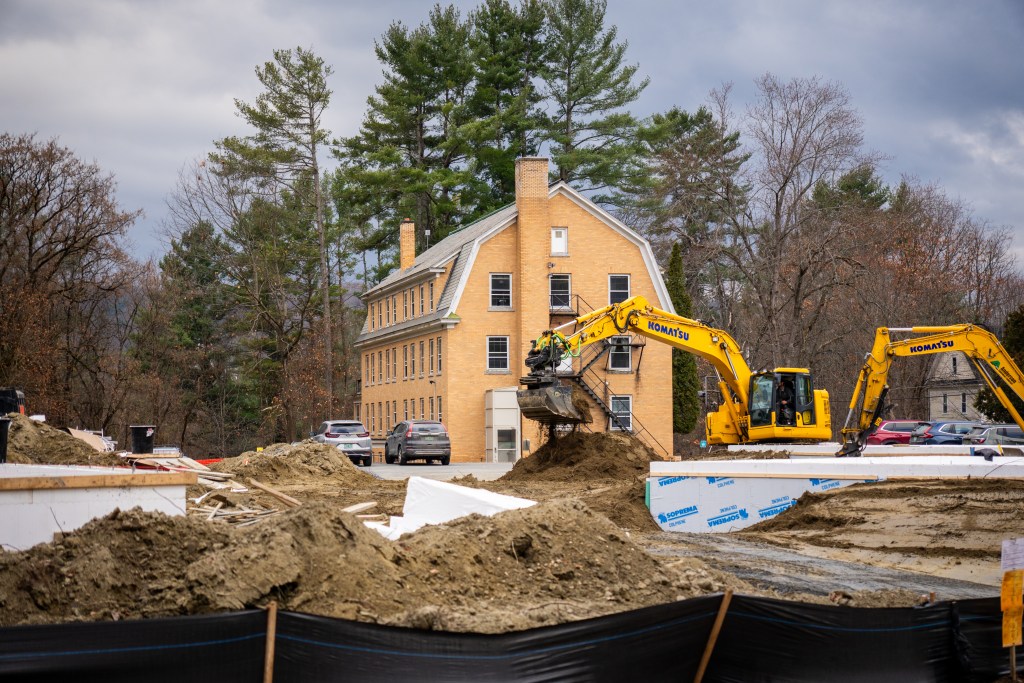
The development site sits on Heaton Street, well above the downtown river basin. Previously, the parcel contained a nurses dormitory. Later, it served as administrative offices for Washington County Mental Health Services. Downstreet Housing and Community Development then acquired the property to construct new options for displaced families.
Neighboring property owners Lisa Mahoney and Peter Mancauskas first appealed the local Development Review Board approval in 2025. That legal challenge targeted the initial land subdivision. A judge ultimately upheld the city permit. Still, the court battle delayed progress by roughly 12 months. In September 2026, the neighbors lodged a second appeal. This New Court filing challenges the conversion of the former dormitory into 20 rental apartments.
Mahoney expressed concerns regarding traffic volume, pedestrian safety, and neighborhood noise during municipal hearings. Specifically, she stated at a June meeting, “It’s 20 units in a very quiet neighborhood. Nothing has been provided with respect to noise mitigation.” Her current legal Appeal Asks Environmental Court judges to examine several regulatory factors:
- Stormwater runoff controls and soil erosion mitigation plans.
- Height bonuses that officials granted for affordable residential builds.
- Density standards that local planning boards applied.
- Neighborhood traffic impact assessments.
How does this project support Vermont affordable housing flood recovery?
The Heaton Street development relies on federal recovery dollars. Officials specifically earmarked these funds to replace housing lost during recent flooding. The project builds on elevated land outside river basins. Therefore, it provides long-term safety for lower-income residents. Furthermore, the dual-phase initiative blends individual homeownership options with permanently affordable rental apartments for local workers.
Subsidized housing in many Vermont river valleys remains vulnerable to major flooding events. Therefore, finding available land above flood levels is essential for regional resilience. Downstreet Housing leadership noted that the Heaton Street site offers ideal elevated conditions. Additionally, it sits in an established residential neighborhood.
The financial and physical scope of the initiative includes several key features:
- Officials assigned more than $6 million in federal flood recovery funding to the site.
- The plan includes four new single-family homes through a shared-equity homeownership program.
- Builders set purchase prices between $185,000 and $275,000 for income-qualified buyers.
- Crews will create 20 permanently affordable apartments inside the renovated dormitory building.
- Legal delays and rising material costs require an additional $300,000 in recovery funds.
Construction on the four single-family homes moved forward in early 2026. Subsequently, workers continued active site preparation through November 2026. However, full renovation of the historic dormitory remains paused pending the court case outcome.
What is planned for the Heaton Street Montpelier housing project?
The Heaton Street initiative creates 24 total housing units. The plan splits these between single-family homeownership and multi-family rental spaces. Specifically, four detached houses occupy newly subdivided lots along the street. Meanwhile, crews will renovate the historic building into 20 permanently subsidized apartments.
How are local officials addressing legal challenges to Montpelier flood recovery housing?
Municipal officials in Montpelier have taken recent actions against repetitive planning appeals. These challenges often delay community development. For example, the city raised municipal appeal filing fees to $1,600 in 2025. The increased local fee aims to discourage frivolous claims. However, that municipal fee does not apply to State Environmental Court appeals.
City Planning Director Mike Miller explained the background of this policy change. Previously, frequent permit challenges earned the capital city a reputation as a difficult place to build. Meanwhile, state lawmakers have debated statutory reforms to streamline residential permitting. These updates would Help Prevent Prolonged Court battles. Yet, legislative consensus on statewide housing appeals remains elusive. As a result, nonprofit developers across Vermont must continue navigating lengthy legal proceedings to meet critical housing demands.
How will these legal delays affect local housing availability?
Extended legal disputes slow down the delivery of safe housing units. At the same time, They Drive up overall construction expenditures. Furthermore, funding streams often have strict completion deadlines. Because of this, procedural delays create financial strain for community housing organizations. Ultimately, These Court battles postpone stable housing for families recovering from climate-related disasters across Vermont.
Downstreet Housing continues working through the Environmental Court process to secure final building permits. Meanwhile, site work on the single-family portion will proceed as scheduled.
This article was produced with the assistance of AI and reviewed by our editorial team.
Sources
Related: New construction reduces housing shortage in most states
Related: How Parking Minimums Bennington Housing Debates Are Reshaping Local Growth


