Bennington
Wildfires Impact on Tribes: Western Losses Echo Across the Nation
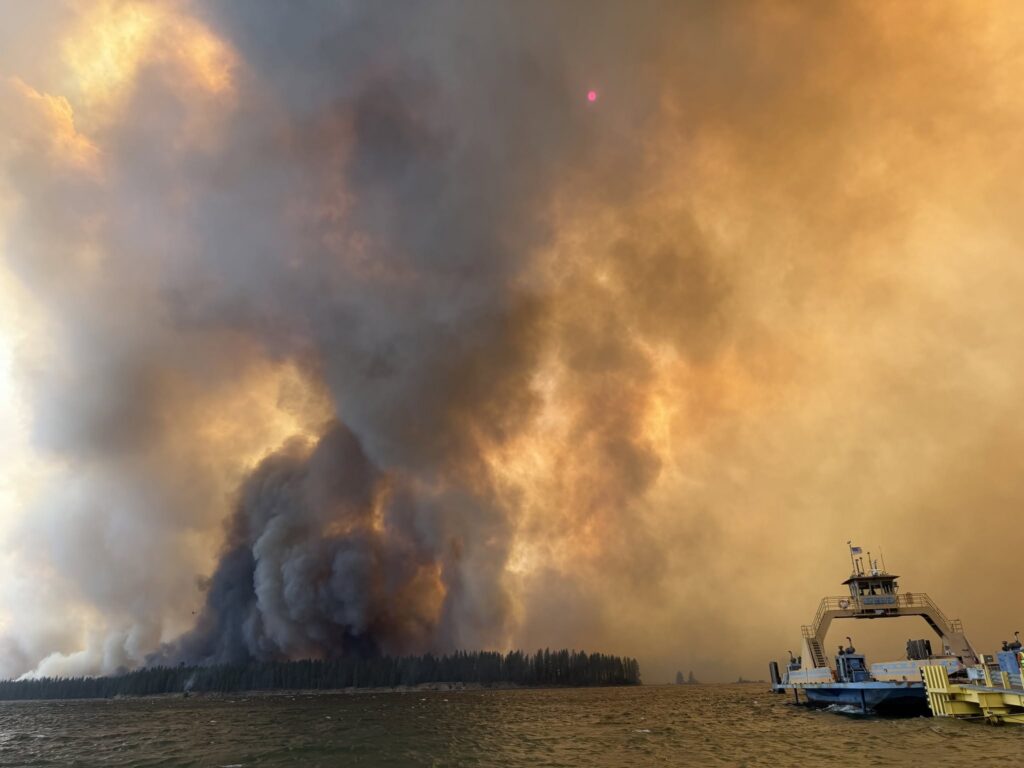
Neighbors across the Colville Tribes communities in Washington state knew Matilda Bob’s log home as the “rainbow house,” for its brightly painted exterior. Now it’s gone. Sparked by a lightning strike in mid-July, the Kaiser Canyon Fire destroyed Bob’s home…

Last updated:
Key points
- Historic wildfires destroyed 43 homes and burned roughly 200,000 acres across Washington’s Colville Reservation.
- Tribal communities face severe respiratory risks, air filter shortages, and water siltation that threatens native fisheries.
- Tribal leaders seek streamlined federal approvals for traditional controlled burns to reduce catastrophic wildfire risk.
NewsWK — Across the Pacific Northwest, historic blazes have swept through indigenous communities this summer. Stateline reported that these fires destroyed dozens of homes, ruined timber resources, and triggered severe public health emergencies.
Even here in Bennington County and across Southern Vermont, smoke from distant blazes frequently clouds our summer skies. Consequently, regional emergency planners closely observe how catastrophic disasters disrupt rural infrastructure and rural healthcare networks.
Why it matters
Catastrophic disasters thousands of miles away still carry direct lessons for our regional communities. For example, remote towns in Bennington County face similar challenges regarding aging timberlands, older housing stock, and limited emergency shelter space. In addition, western smoke plumes regularly drift east, degrading air quality across Vermont, eastern New York, and western Massachusetts.
How do Washington state wildfires devastate native communities?
Washington state wildfires devastated reservation infrastructure by burning critical timber reserves, cutting electrical grids, and leveling family residences. The blazes swept through arid landscapes following a historically dry winter, leaving vulnerable communities without basic shelter or power.
Lightning ignited the massive Kaiser Canyon Fire in mid-July on the Colville Reservation. The fire quickly consumed 43 homes, including unique family dwellings, along with 100 barns and storage sheds. In total, regional flames scorched roughly 200,000 acres of tribal land.
Meanwhile, dry weather across Washington state pushed burned acreage near 900,000 acres by mid-September. State officials declared an emergency in August after extreme red flag conditions emerged. Furthermore, an exceptionally warm winter left mountain snowpack at half its normal level, which stoked rapid fire growth.
Financial recovery remains difficult because many families lacked property coverage. Ferry County, where part of the reservation sits, reports the state’s second-lowest median income. Tribal council leader Cindy Marchand explained the economic strain. “We have elders living on a single income, they’re on a fixed income, and so they’re having a hard time making it as it is,” Marchand said.
What are the wildfire health risks tribal communities face?
Wildfire health risks tribal communities face include rising rates of asthma flare-ups, cardiovascular stress, and reproductive hazards from intense smoke. Local relief volunteers distribute air filters while medical staff track persistent respiratory complications among displaced families.
Thick smoke now represents a primary environmental risk for pregnant individuals. Local doula groups reported several premature births linked to displacement and heavy smoke exposure. Moreover, community members struggle with chronic obstructive pulmonary disease during long periods of poor air quality.
Recovery efforts also bring unexpected toxic risks to local cleanup crews. Colville health official Dayna Seymour described these lingering hazards during initial recovery operations. “Our members are going in now to clean up the ash and debris, and aren’t really always sure what’s in that ash and debris, whether there’s hazardous materials, heavy metals, asbestos or other contaminants,” Seymour noted.
How severe is tribal lands wildfire damage in the Pacific Northwest?
Tribal lands wildfire damage extends across hundreds of thousands of acres in Washington and Oregon. The fires wiped out sacred hunting grounds, compromised pristine waterways, and obliterated irreplaceable cultural relics.
The damage numbers reflect significant destruction across the wider region:
- The Kaiser Canyon Fire destroyed over 138,000 acres on the Colville Reservation.
- The Modrite Fire scorched more than 57,000 acres nearby.
- The Warm Springs Reservation in Oregon lost six homes across 60,000 burned acres.
- The Wrights Spring Fire blackened 55,000 acres in southern Oregon.
Cultural resources suffered immense harm. The flames consumed wild huckleberry patches, bitterroot crops, and traditional medicine gathering grounds. In Oregon, sedimentation from charred hillsides now threatens salmon restoration projects in local river systems.
What can forest management reforms change for reservation lands?
Forest management reforms can expand controlled burning practices that eliminate excess brush before megafires spark. Traditional ecological burning methods protected forests for centuries, but modern regulatory hurdles and funding deficits have long hampered indigenous forestry crews.
Federal assessments show tribal trust timber lands receive roughly one-third the funding granted to comparable federal forests. Congress recently advanced measures to streamline controlled burn approvals. Still, local leaders stress that equitable funding and tribal stewardship must guide future wildfire prevention efforts nationwide.
This article was produced with the assistance of AI and reviewed by our editorial team.
Sources
Related: Bennington 250 Announces ‘250 for 250’ Year-End Gala to Support Anniversary Celebrations
Related: Border County Tax Pressures Mount as New York Shifts SNAP Costs
See a typo? Report it here.